Daily on Energy: Randy Weber's plea for the Jones Act
Weber said the Jones Act waiver should end quickly and argued for keeping American ships and sailors in domestic fuel transport.

SOURCE CHECK
TAP FOR WHYThe Washington Examiner is an established national outlet with named writers and editorial reporting, though its political orientation warrants some caution. This newsletter identifies its authors and attributes key claims to interviewees, other outlets, and organizations.
- Source type — Established national news outlet; a strong baseline, with some caution appropriate for a politically oriented publisher.
- Author attribution — The newsletter names its writers and attributes the lead interview to one of them.
- Editorial standards — The item uses attributed quotations and identifies outside reporting, including Reuters and the Financial Times.
- Transparency — The newsletter provides contact information for its writers.
The newsletter includes a direct interview and attributes many claims to named people, organizations, or other outlets. Its brief, multi-story format leaves limited room for context or competing perspectives, and some material relies on a survey sponsored by named organizations.
HOW WE SCORE ↗The lead includes Weber's reasons for opposing the waiver and notes that some argue the waiver would not substantially lower consumer prices, but it does not identify those critics or develop their case. Other newsletter items also summarize complex policy developments briefly.
- Counterarguments presented — The newsletter notes criticism of the waiver's expected price impact, but provides no named opposing source or fuller explanation.
- Source diversity — The item draws on an interview, official statements, research, and other publications across its roundup.
- Omitted context — The lead offers little detail on the potential consumer-price effects or trade-offs of the Jones Act.
- Loaded language — Most wording is descriptive, though one climate section uses a favorable characterization of the administration's actions.
Most of the newsletter uses straightforward reporting, but the description of the Trump administration's role in ending the World Bank climate target as a win gives one section a favorable framing. The overall item shows only a modest rightward tilt.
- Framing — The climate-financing section characterizes the administration's role as securing a win.
- Language tone — Most sections use neutral, attributed language.
- Source selection — The lead includes Weber's position and some countervailing context about whether waiving the law would lower consumer prices.
Rep. Randy Weber said the Jones Act waiver should end as soon as possible, arguing that U.S. ships and sailors should remain part of domestic fuel transport. The Trump administration has used the waiver in an effort to lower energy prices.
Weber said he does not want waivers of the Jones Act to become routine and argued that the waiver should be removed quickly. He told the newsletter that he had made the case for reinstating the law to Energy Secretary Chris Wright during a hearing earlier this month. The administration has allowed refiners to use foreign-flagged ships to transport fuel between U.S. ports as part of its effort to lower oil and gasoline prices.
The newsletter also reported that the World Bank is retiring its goal of directing 45% of funding to climate-related projects, while retaining its broader climate framework. It summarized other energy news, including President Trump urging gasoline retailers to lower prices and a Texas state senator saying he plans to appeal San Marcos’s data-center zoning ban.
Community verdict
12 VOTES
People in this story
SWIPE →Texas representative advocating reinstatement of the Jones Act
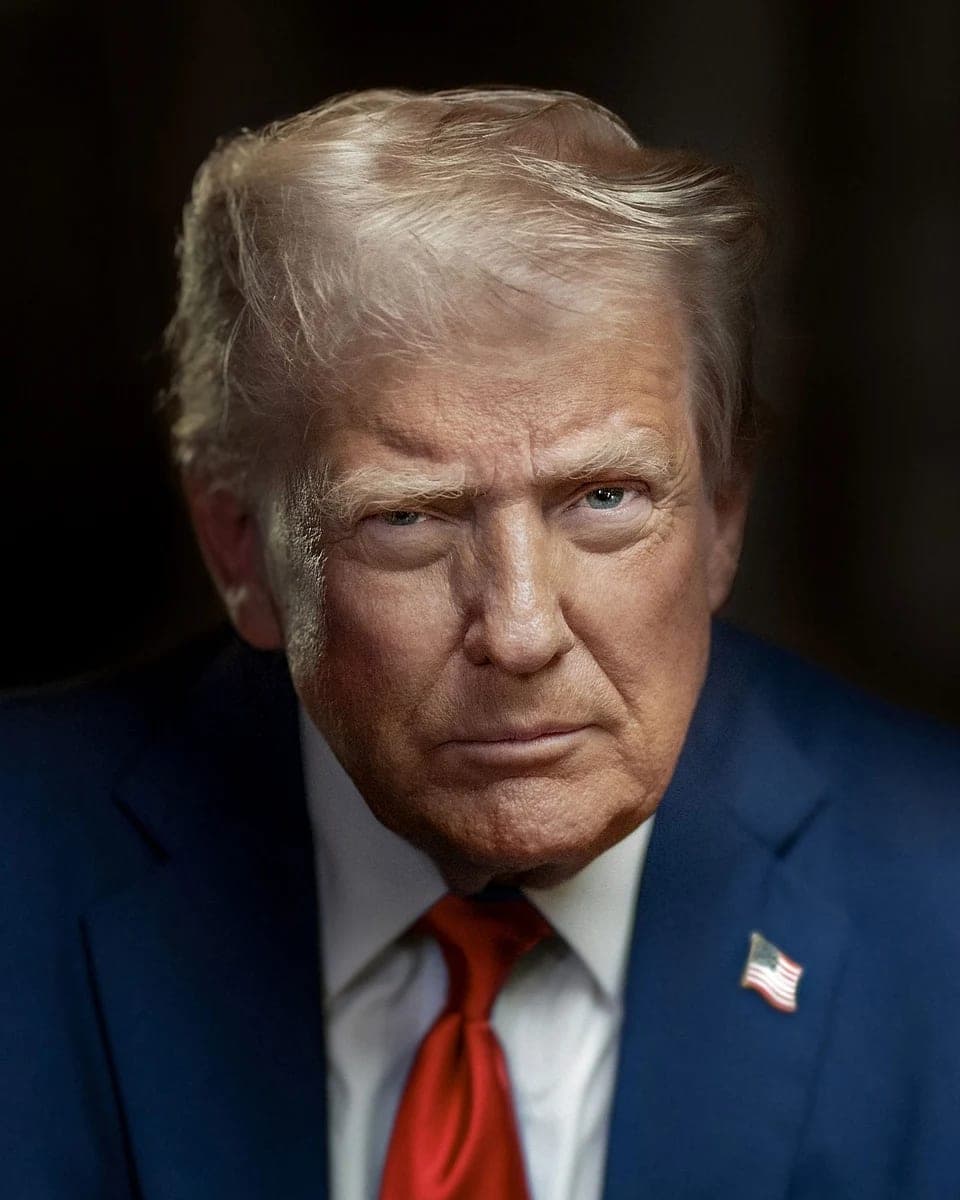
President whose administration issued the Jones Act waiver and who urged retailers to lower gasoline prices
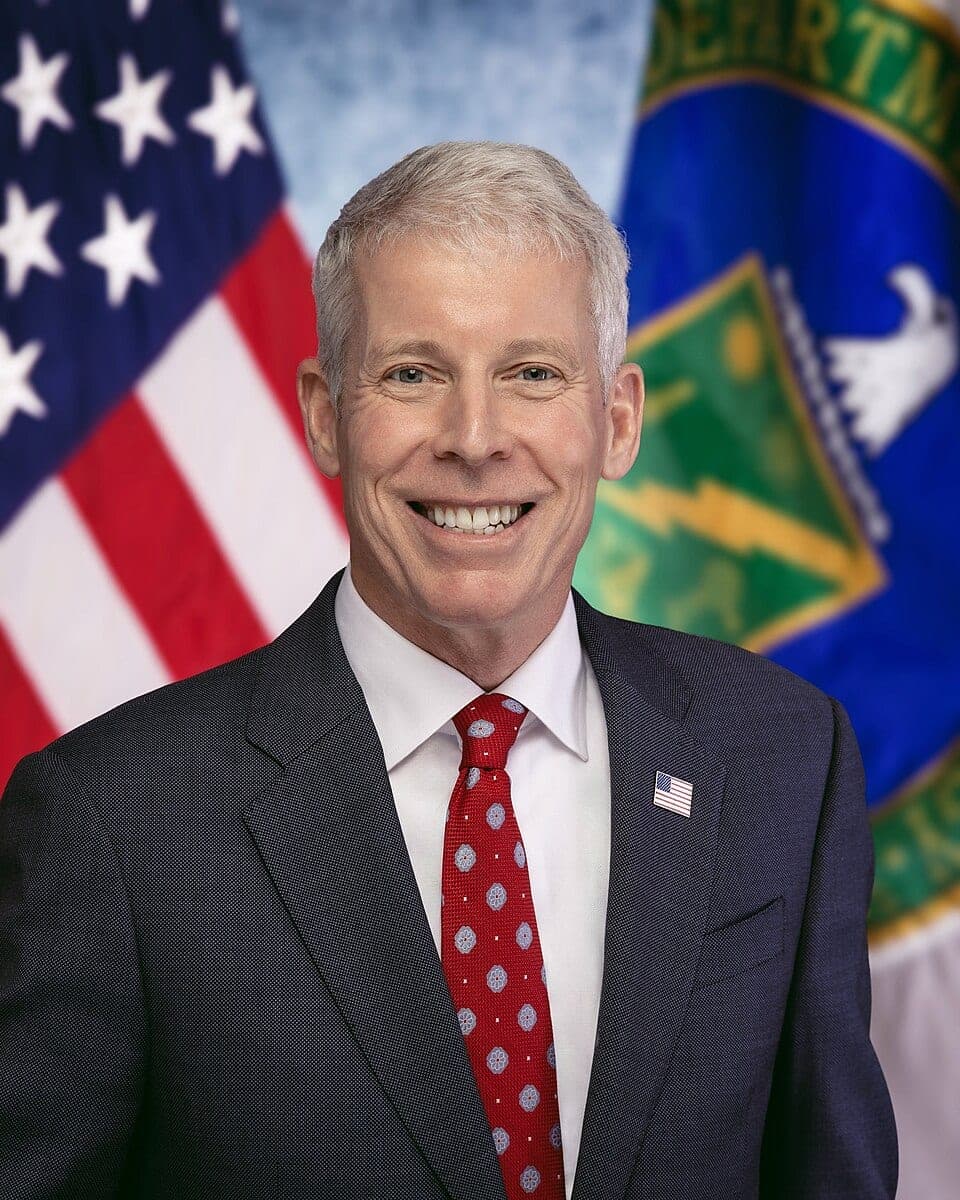
Energy secretary whom Weber said he urged to reinstate the Jones Act
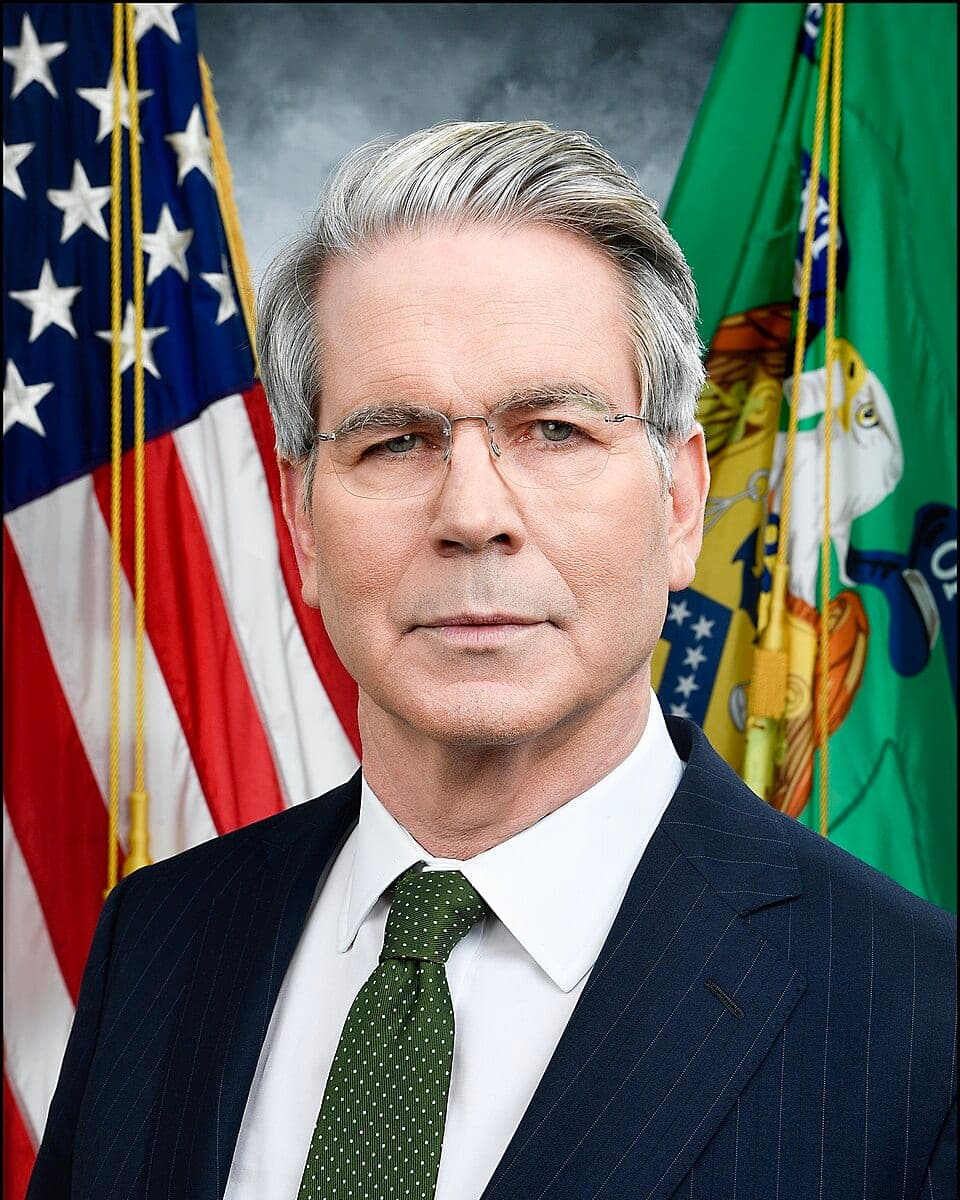
Treasury secretary who urged gasoline retailers to lower prices
Discussion · 0
Loading comments…