Midterms, Actually: How Michigan's Uncommitted movement shaped a Senate race
Herndon connects El-Sayed’s Michigan Senate campaign to the Uncommitted movement’s influence on Democratic voters.

SOURCE CHECK
TAP FOR WHYVox is an established national outlet with an identifiable author and a substantial editorial operation. This piece is clearly written as a recurring newsletter and uses named sources, though its argument-driven format is distinct from straight reporting.
- Track record — Established national publication with a recognizable record of political coverage.
- Editorial standards — Professional newsroom and a clearly identified newsletter format.
- Author attribution — Named author and named interview sources.
- Transparency — The article identifies its author and the reporter interviewed in the Wisconsin section.
The piece offers named interview material and specific polling claims, and distinguishes the writer’s argument from Shafer’s answers. Its treatment is predominantly interpretive, however, with limited countervailing evidence or perspectives on the central claims.
HOW WE SCORE ↗The article notes establishment criticism of the movement and raises concerns about Hong’s general-election prospects, but those counterpoints are brief. Most of the piece builds the author’s case for the movement’s political impact.
- Counterarguments presented — Some criticism of the Uncommitted movement and concern about Hong’s general-election risks are included, but not explored at length.
- Opinion vs reporting — The article openly presents an argument and includes an interview section, rather than functioning as straight news.
- Source diversity — It includes multiple voices but relies heavily on sources aligned with the article’s central argument.
- Loaded language — The author uses emphatic language that signals support for the argument being made.
The author explicitly argues for the Uncommitted movement’s influence and presents its critique of US policy toward Israel favorably. The framing and choice of examples align with progressive arguments, rather than presenting a neutral account of competing interpretations.
- Framing — The article advances the case that the movement’s critique has shaped Democratic politics and electoral strategy.
- Language tone — The author uses approving and emphatic language when describing the movement’s impact.
- Source selection — The cited voices and examples largely support the article’s progressive interpretation.
- Omission — The piece gives limited space to opposing explanations of the movement’s electoral effects.
Astead Herndon argues that Michigan’s Uncommitted movement helped make criticism of unconditional US support for Israel more electorally salient, including in Abdul El-Sayed’s Senate campaign. A second section examines Francesca Hong’s Wisconsin gubernatorial primary campaign and her opposition to data centers.
Herndon argues that the Uncommitted movement’s influence has grown since the 2024 election, pointing to changing views of Israel, the movement’s role in mobilizing Democratic voters, and the prominence of candidates who criticize US policy toward Israel. He connects that shift to Abdul El-Sayed’s Michigan Senate campaign, where El-Sayed has made opposition to unconditional aid and support for Israel a central argument. Herndon also recounts Haley Stevens’s criticism of El-Sayed’s association with the movement and Hillary Scholten’s possible refusal to support him in a general election.
In a separate discussion of Wisconsin’s governor’s primary, reporter Dan Shafer says Francesca Hong has gained support by running a distinctive campaign, including making opposition to data centers a central issue. Shafer cites Hong’s support for a data center moratorium and describes her lead among younger voters, while noting questions about her prospects in a general election.
Community verdict
7 VOTES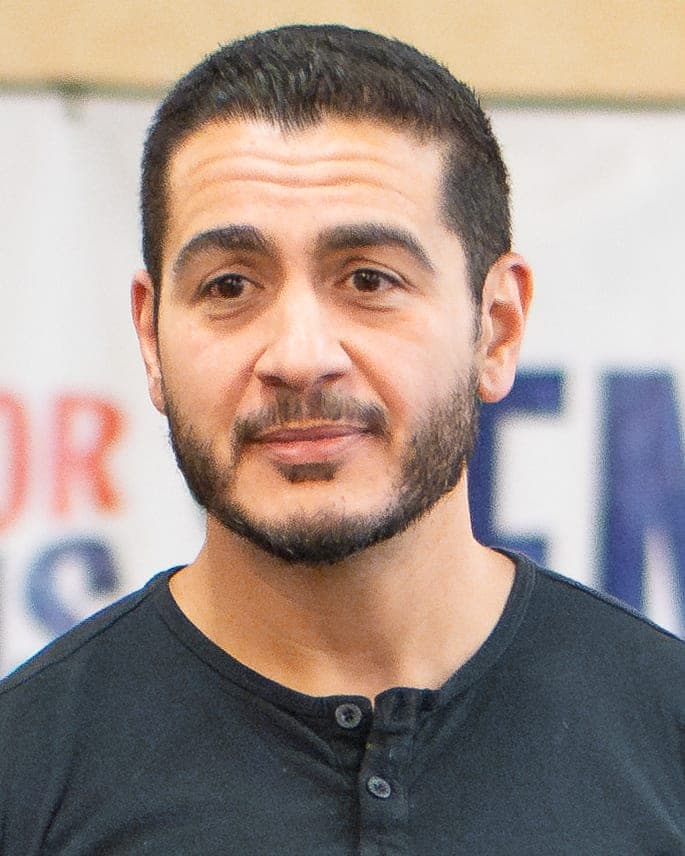
People in this story
SWIPE →Michigan Senate candidate whose campaign is presented as an electoral expression of the Uncommitted movement’s politics.

Wisconsin Republican gubernatorial nominee mentioned for his vote on the Foxconn project while serving in the state Senate.
Former Wisconsin governor mentioned in connection with the Foxconn project.

Michigan representative and Senate candidate criticized for making El-Sayed’s support for Uncommitted an issue.
Colorado House candidate cited as evidence of progressive candidates’ growing electoral presence.
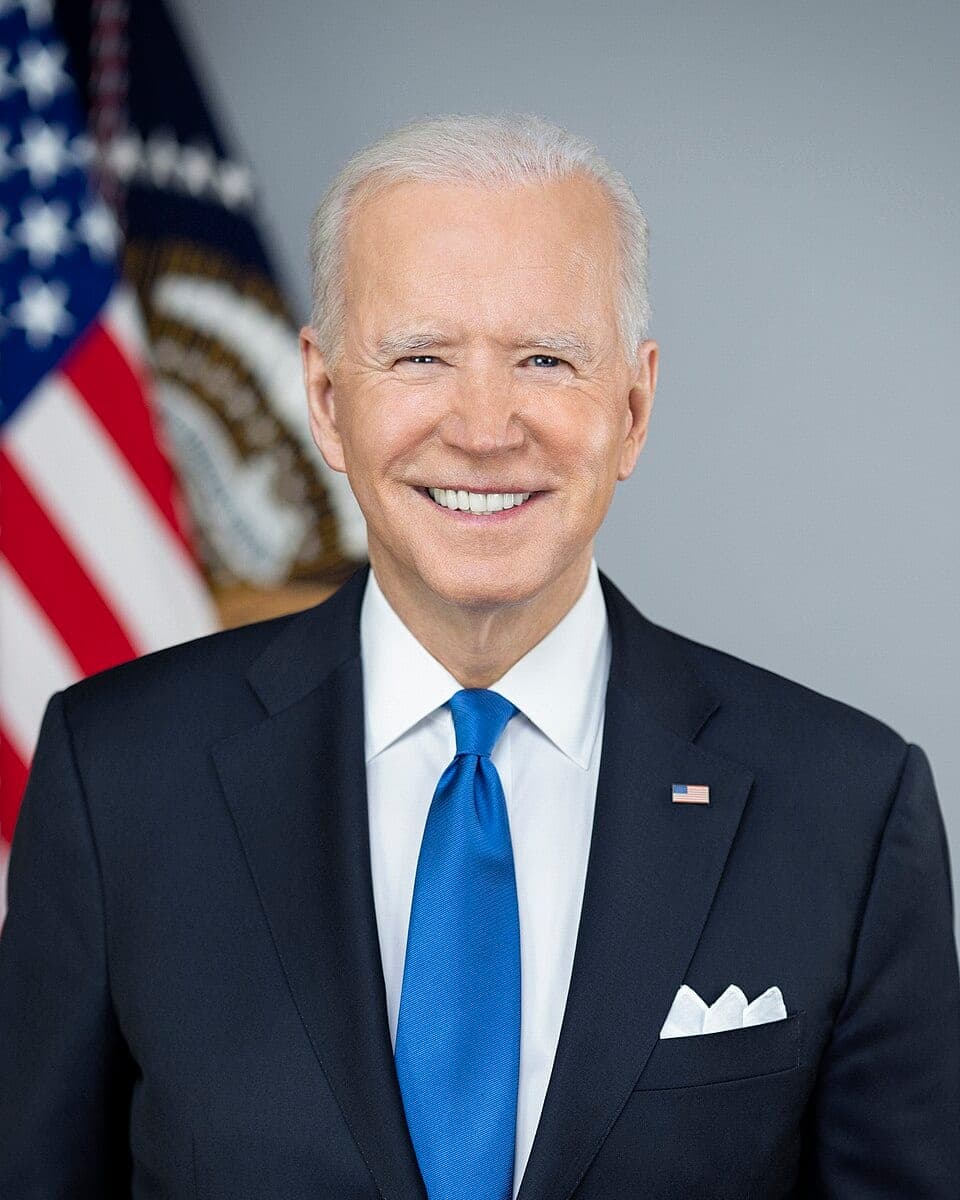
Former president whose policy toward Israel is contrasted with the position activists hoped Harris would take.
New York House candidate cited as evidence of progressive candidates’ growing electoral presence.
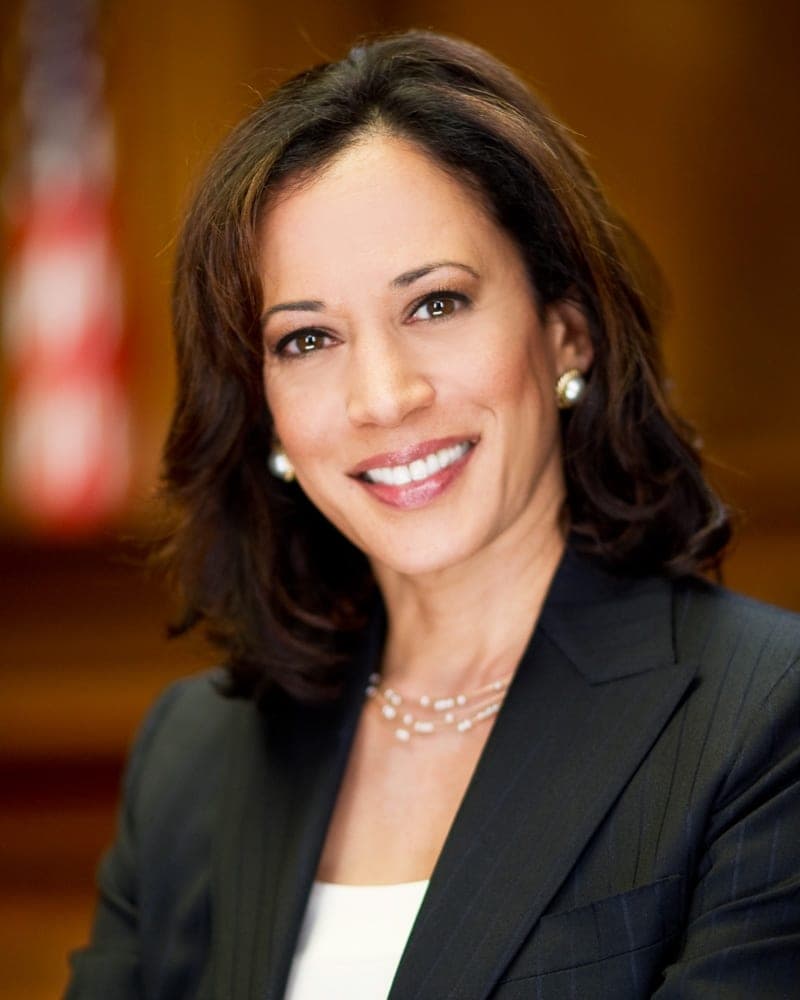
Former vice president and 2024 Democratic presidential nominee, discussed in connection with the Uncommitted movement.
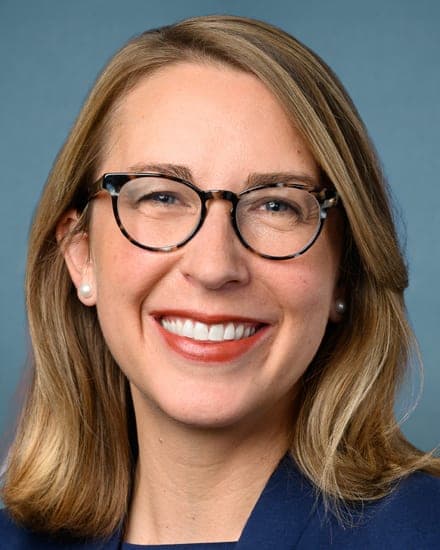
Michigan representative who supports Stevens and may withhold support from El-Sayed in a general election.
Part of a bigger story
45 OUTLETSOutlets agree Abdul El-Sayed won Michigan’s Democratic Senate primary over Haley Stevens and will face Republican Mike Rogers in November. Left-leaning outlets present the win as a progressive challenge to party leaders and a marker of movement momentum, while also weighing its reach in November. Center outlets emphasize the close result, party direction and the general-election contest. Right-leaning outlets often frame the result as a leftward shift or establishment setback and stress questions about El-Sayed’s general-election appeal, with some focusing on ethical or policy criticism.
- ARTICLES
- 51
- OUTLETS
- 45
- AVG CRED
- 69

Discussion · 0
Loading comments…