AIPAC's test in Michigan Senate primary: A Congress member they helped defeat explains
El-Sayed is making AIPAC’s spending a campaign issue as he seeks the Democratic Senate nomination.
SOURCE CHECK
TAP FOR WHYVox is an established national news outlet with professional editorial standards and an identified author. The article is transparent about its interview format, though the interview provides a prominent single perspective.
- Source type — Established national news outlet with a substantial record of political reporting.
- Editorial standards — Professional newsroom context supports editorial review and standards.
- Author attribution — The article identifies Andrew Prokop as its author.
- Source diversity — The article is primarily an interview with one former member, limiting the range of perspectives in this piece.
The article gives a detailed, attributed account from a former member with direct experience and includes specific spending figures and legislative context. It does not include responses from AIPAC or Stevens, and its claims about the current race rely partly on polling described without identifying the surveys.
HOW WE SCORE ↗The article supplies context and attributes its claims, but the extended interview gives one side of the dispute most of the space. It does not present a response from AIPAC or Stevens.
- Source diversity — The detailed account comes from one interviewee; opposing perspectives are not directly represented.
- Counterarguments presented — The article notes the stakes and polling but offers no direct counterargument from AIPAC or Stevens.
- Opinion vs reporting — The interview and explanatory framing are presented as reporting, with Levin’s claims attributed to him.
The framing emphasizes AIPAC’s influence and the possibility that its spending is becoming politically harmful, while the central interviewee is a critic of the group. The article includes some qualifying context but little direct representation of AIPAC’s or Stevens’s perspective.
- Framing — Presents the primary race as a test AIPAC may fail and highlights the potential limits of its spending.
- Source selection — The central source is Andy Levin, who criticizes AIPAC and supports El-Sayed.
- Language tone — Some framing language, including describing AIPAC as a powerful force, adds emphasis without becoming overtly partisan.
Vox examines whether AIPAC’s spending can shape Michigan’s Democratic Senate primary, drawing on former Rep. Andy Levin’s account of how the group helped defeat him in 2022. Levin supports Abdul El-Sayed, who is running against AIPAC and leads in recent polls.
AIPAC has spent more than $30 million to defeat Abdul El-Sayed and help Rep. Haley Stevens win the Democratic Senate nomination in Michigan. The article says El-Sayed has made AIPAC’s spending a campaign issue and that recent polls show him with a double-digit lead.
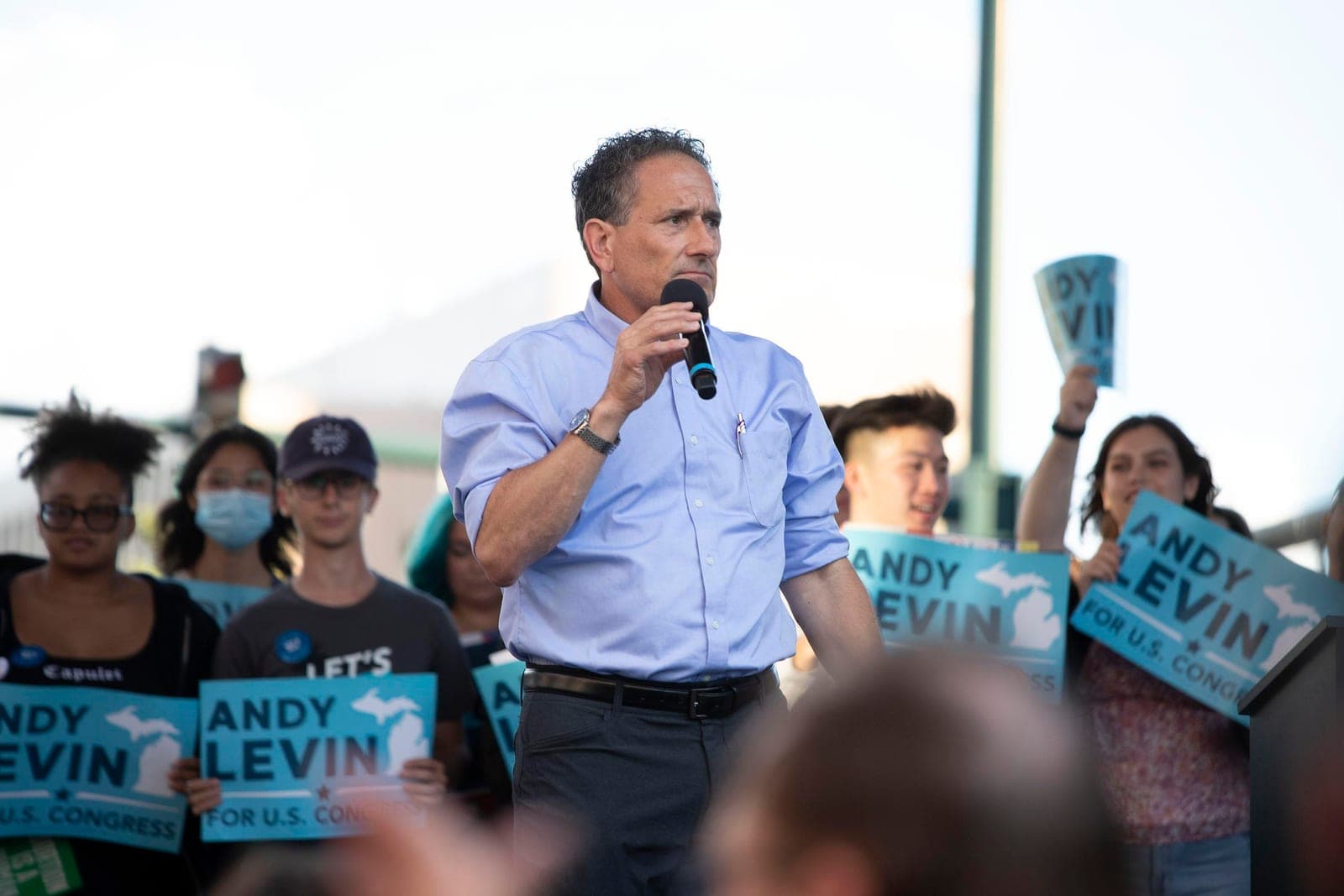
In an interview, former Rep. Andy Levin described how AIPAC opposed his positions on Israel and spent more than $4 million to support Stevens when they ran against each other in 2022. Levin said he wrote the Two-State Solution Act and recounted colleagues’ reluctance to support it. He now supports El-Sayed and argues that anger over the Gaza war and campaign spending could help El-Sayed win.
Community verdict
10 VOTES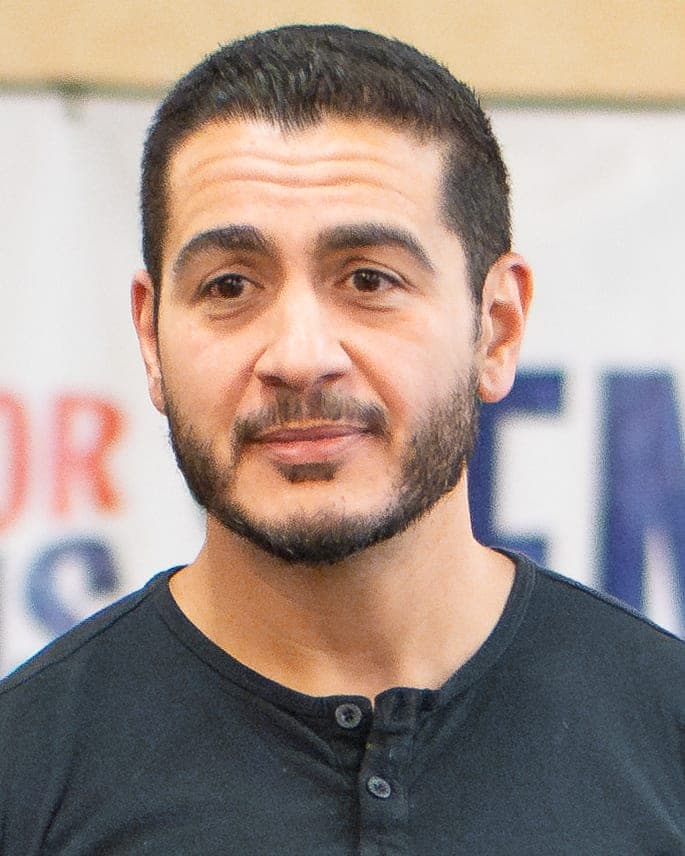
People in this story
SWIPE →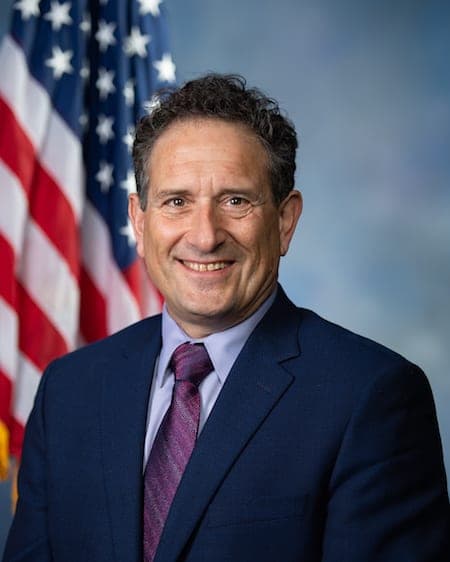
Former representative and supporter of Abdul El-Sayed
Levin's version of this story ↗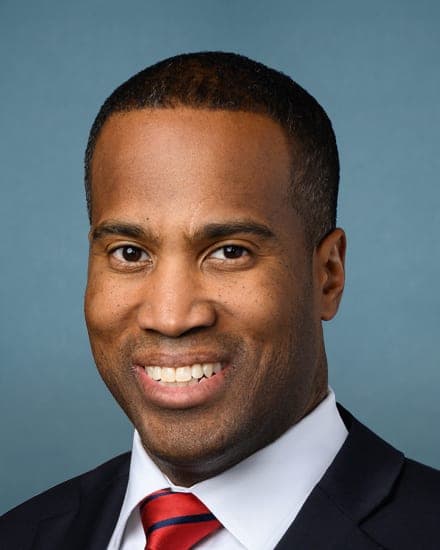
Republican candidate discussed in Levin’s account of a hypothetical 2022 race

Representative and Democratic Senate candidate backed by AIPAC
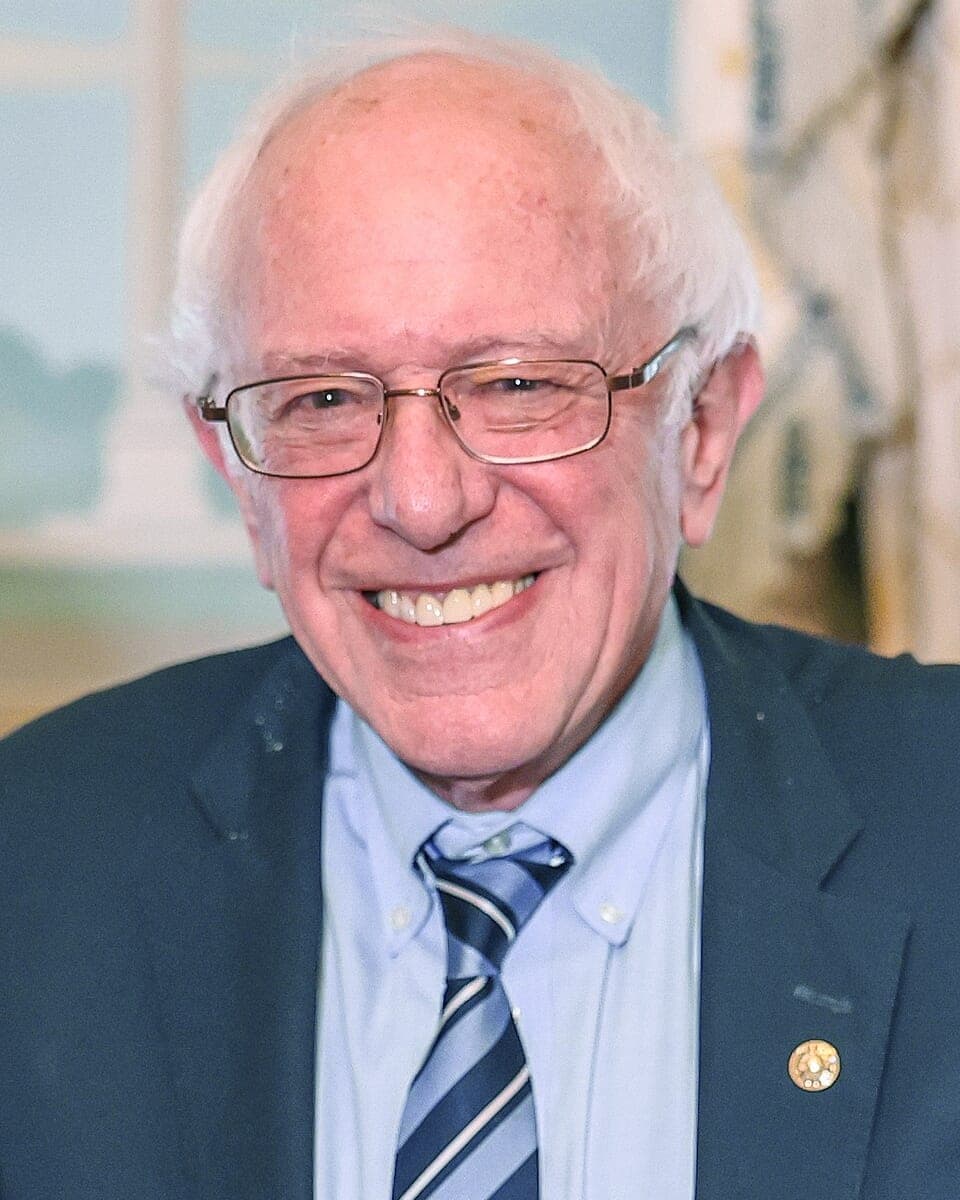
Senator cited as a past Michigan presidential-primary choice

Former representative and Andy Levin’s father
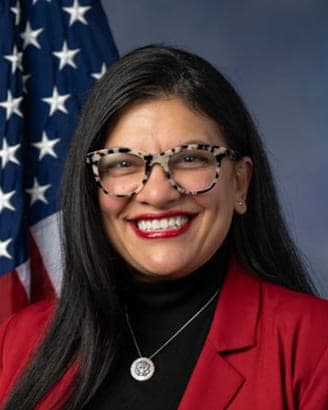
Representative cited by Levin as an Israel critic AIPAC would oppose
Discussion · 0
Loading comments…