Senate Punts Bill to Permanently Ban Chinese Cars Until After Midterm Elections
Trump has said he would welcome Chinese automakers building U.S. factories if they employ American workers.
SOURCE CHECK
TAP FOR WHYCredibility rates US News & World Report, where this article appeared. The other scores rate the article itself.
The report is credited to the Associated Press, a major wire service with established reporting standards. The page identifies the AP byline and dateline.
- Source type — Reporting is attributed to the Associated Press, a major wire service.
- Author attribution — The article carries a named institutional byline and an AP dateline.
- Editorial standards — Wire-service reporting generally applies established editorial practices.
The report provides attributed statements from lawmakers on different sides, quantitative industry context attributed to named organizations, and a clear account of the bill's provisions. It also notes that the White House did not respond, though it offers limited direct detail from the bill's critics beyond Paul's concern.
HOW WE SCORE ↗The article describes the sponsors' security and economic rationale and includes Paul's concern that the ownership threshold could affect established companies. It gives less space to the opposing case and reports no White House response.
- Counterarguments presented — Rand Paul's concern about unintended effects on Mercedes-Benz is included alongside the sponsors' rationale.
- Source diversity — The report draws on lawmakers, industry statistics, analysts, and labor and automaker support.
- Omitted context — The White House did not respond, and the article provides limited detail on other arguments against the bill.
- Loaded language — Most of the report is neutrally worded; forceful descriptions are attributed to their speakers.
The report uses largely neutral language and attributes the competing arguments to lawmakers and other sources. It provides context for supporters' security and industry concerns as well as Paul's objection to the ownership rule.
- Language tone — The prose describes the delay and bill provisions without conspicuous partisan or persuasive wording.
- Source selection — The article includes proponents, an opposing senator, industry data, and the President's differing position.
- Framing — The framing centers on the legislative delay and the stated disagreement over the bill.
Original publisher not identified
This article credits another publisher, which ChamberLight has not identified, so the scores are US News & World Report's own.
The Senate stalled a bipartisan bill that would restrict Chinese-linked connected vehicles, with action delayed until after the November elections. Negotiations faltered over concerns that its ownership rules could also affect companies such as Mercedes-Benz. [Oops]
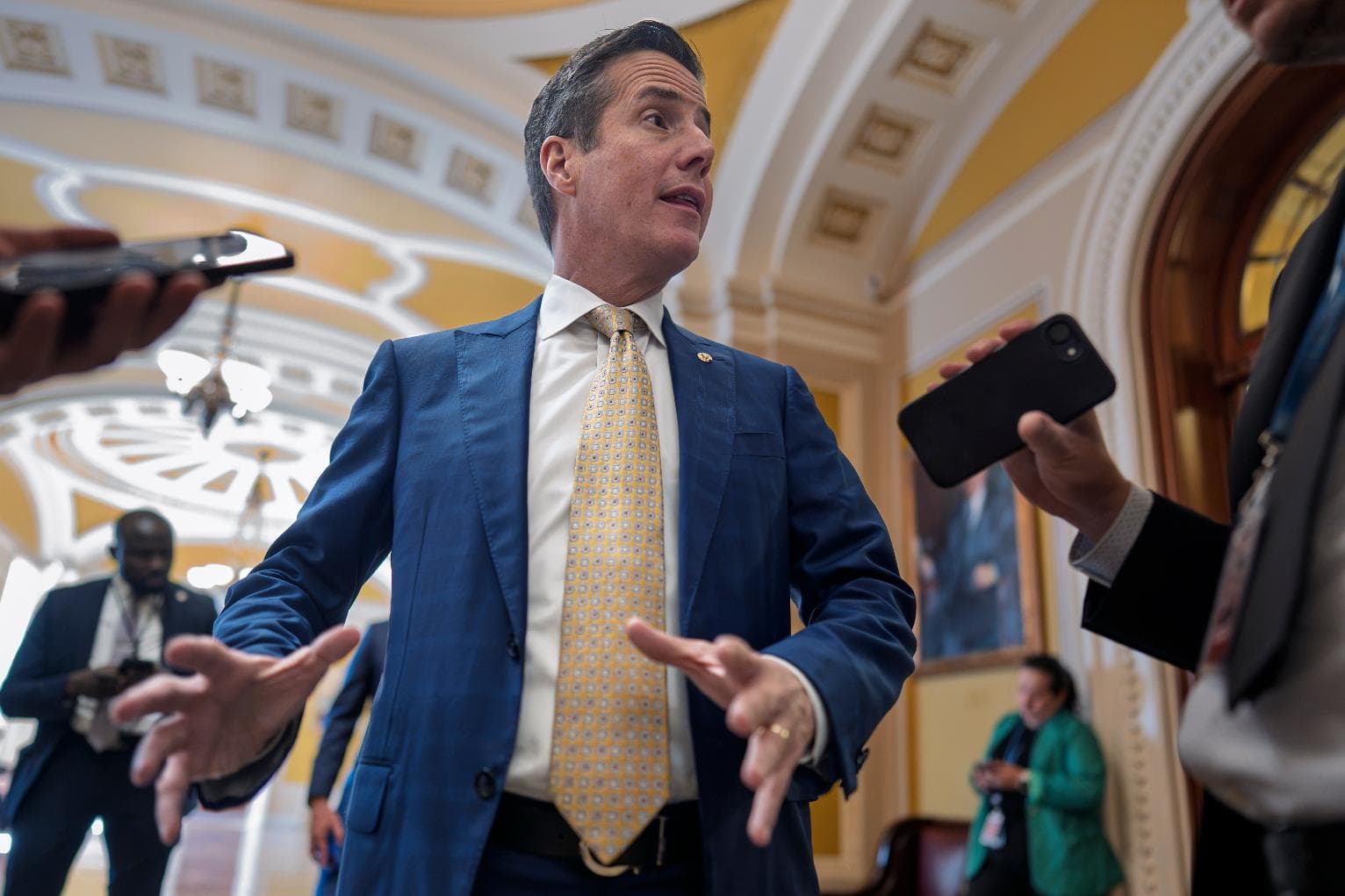
The Senate stalled a bipartisan bill sponsored by Bernie Moreno and Elissa Slotkin that would prohibit connected vehicles and related technology linked to China and other foreign adversaries. Senators delayed action while negotiating with Rand Paul, who argued the bill could sweep in Mercedes-Benz because of its Chinese ownership. Supporters said they would try again after the elections. [Oops]
Community verdict
VOTING CLOSED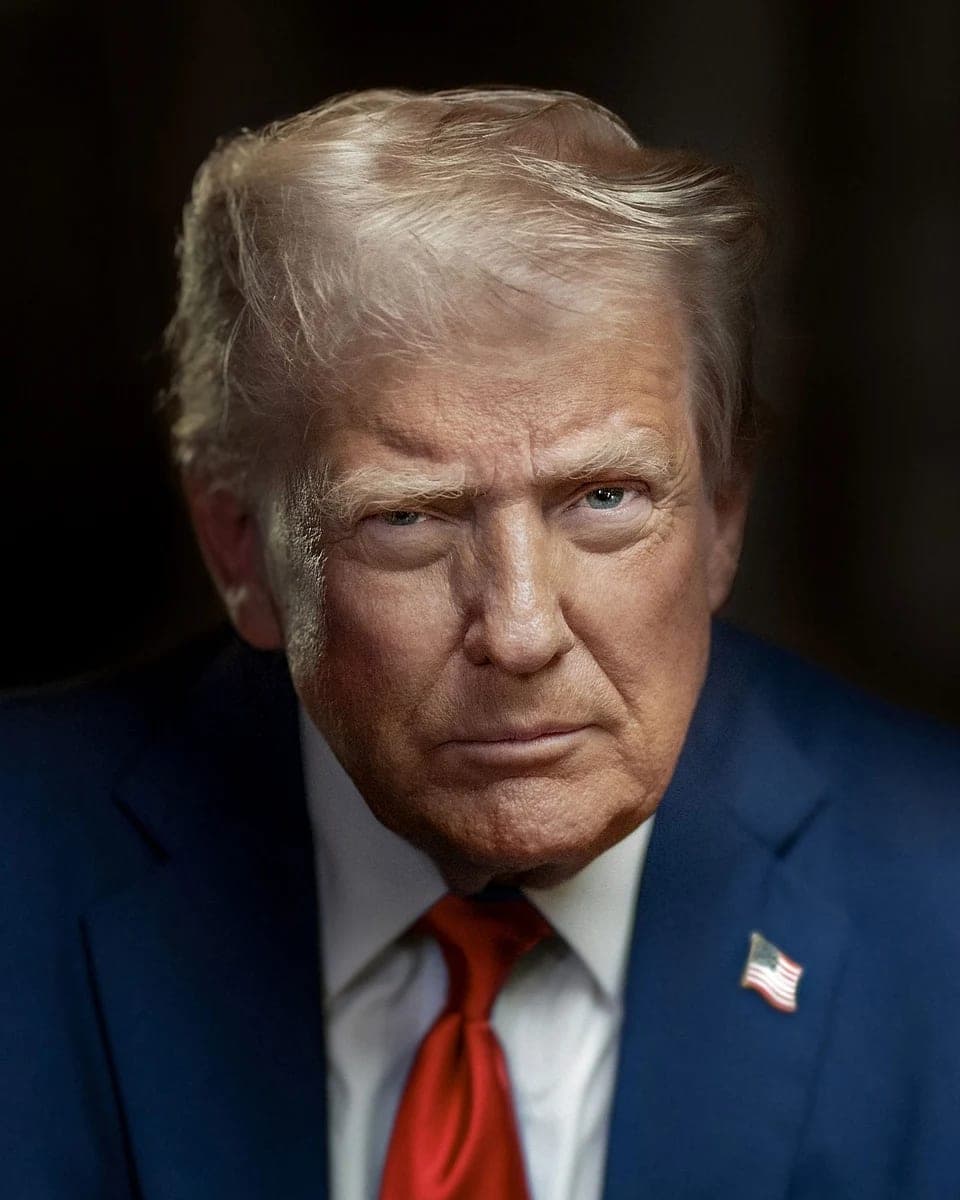
No good or bad look here
This story reports what happened without casting Trump in a good or bad light, so readers don’t rate it and it doesn’t count toward Trump’s record.
People in this story
SWIPE →President whose stated openness to Chinese auto investment contrasts with the bill's supporters
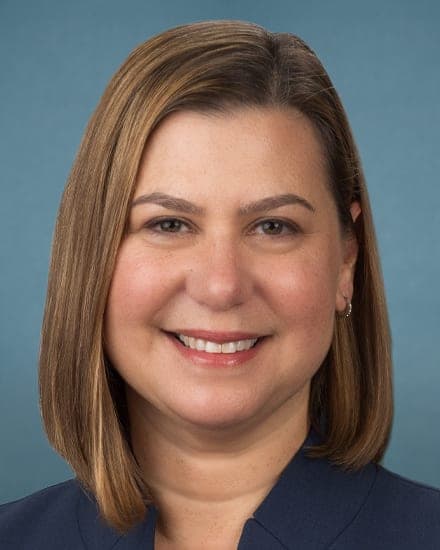
Michigan senator and sponsor of the vehicle restrictions bill
Slotkin's version of this story ↗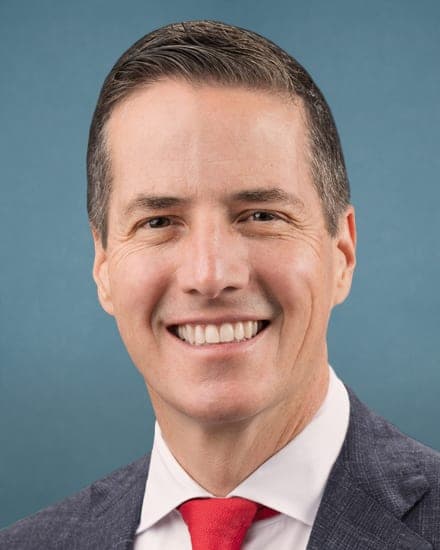
Ohio senator and sponsor of the vehicle restrictions bill
Moreno's version of this story ↗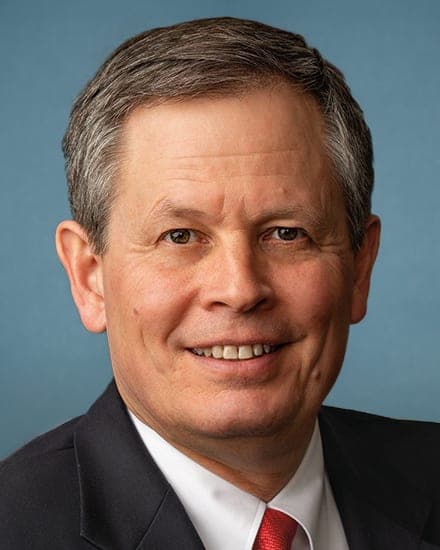
Montana senator who raised concerns about Chinese electric vehicle competition
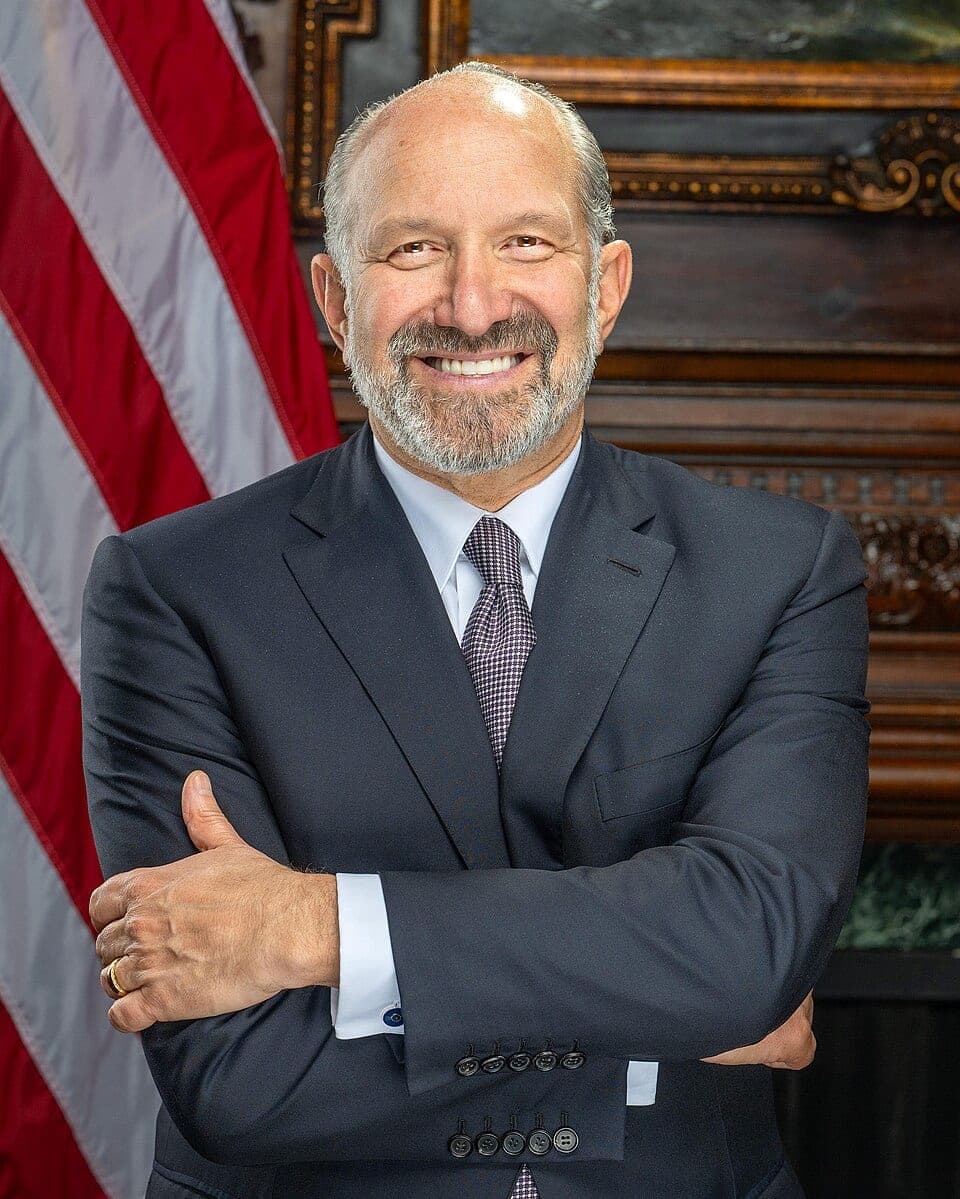
Commerce secretary who addressed whether Chinese EV makers would form U.S. joint ventures
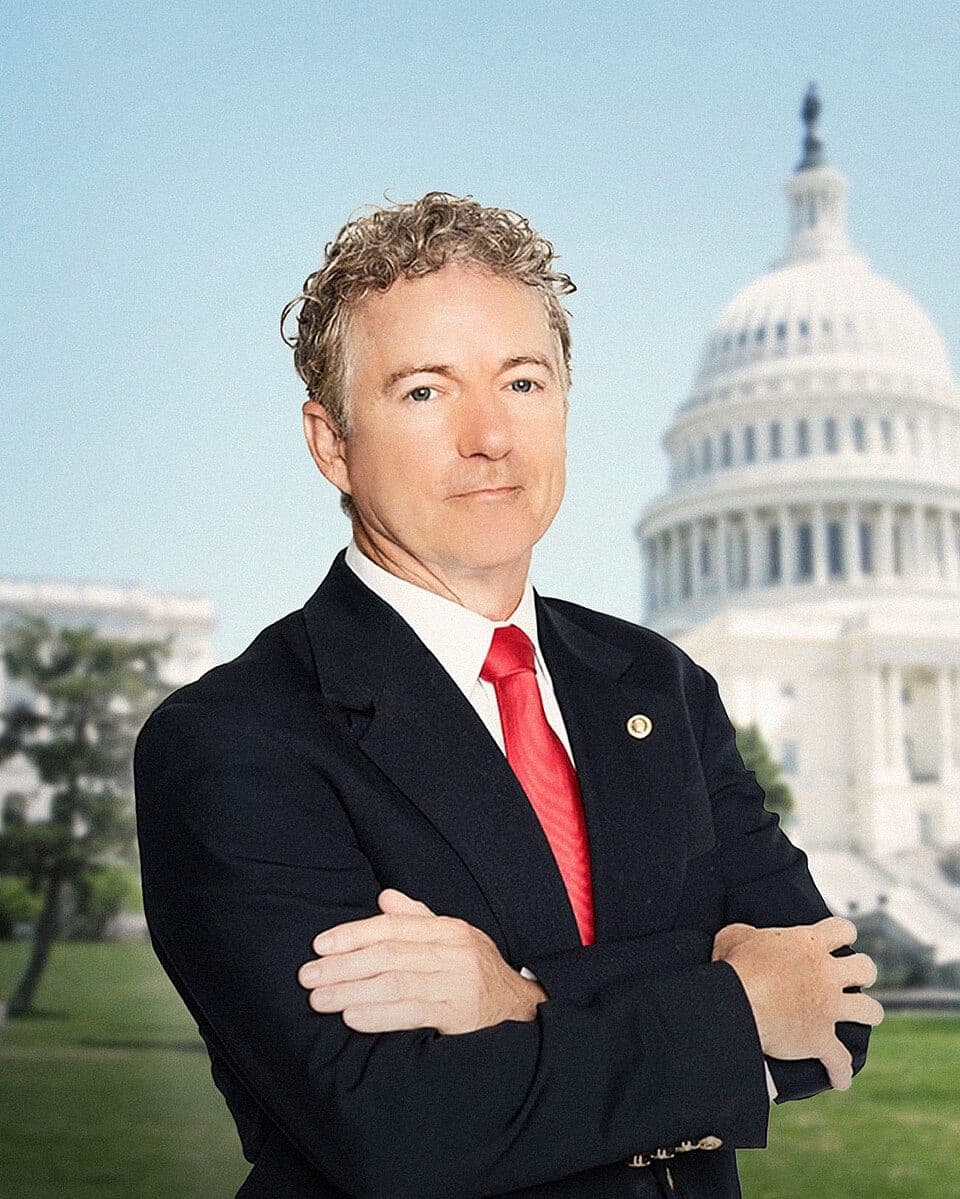
Kentucky senator who held out over the bill's ownership threshold
Discussion · 0
Loading comments…