Senate Democrats block data center bill, calling it 'toothless'
Schumer argued that the bill offered no required protections and called for stronger action on data centers.
SOURCE CHECK
TAP FOR WHYUnited Press International is an established wire service with a long record of reporting and an institutional editorial operation. The article attributes outside reporting and poll findings, though the byline is not identified here.
- Source type — Established wire service; strong prior for professional reporting.
- Editorial standards — Institutional news operation rather than an individual blog or advocacy source.
- Author attribution — No individual author is identified in the article metadata.
- Transparency — The report attributes the poll and some reporting to other outlets, but offers limited sourcing detail in this short story.
The article gives the vote tally, threshold, bill provisions and statements from both Husted and Schumer, and identifies a poll as the source of its voter claim. It provides little additional context about the bill or the poll and relies partly on reporting attributed to other outlets.
HOW WE SCORE ↗The article describes the bill's limits, the Democratic objection and Husted's response, while reporting the vote totals. It is brief and offers little independent analysis or detail about other senators' positions.
- Counterarguments presented — Schumer's criticism and Husted's defense are both included.
- Source diversity — The central dispute is represented by voices on both sides, but few other sources are quoted.
- Omitted context — The short report provides limited context on the bill's operation and the poll's methodology.
- Loaded language — Loaded descriptions are attributed to the speakers who used them.
The report uses mostly neutral language and presents arguments from both Husted and Schumer. Its description of the bill's limits and the cited poll do not clearly favor a political side.
- Language tone — The report attributes charged terms such as “toothless” and “fraud” to Democrats rather than adopting them.
- Source selection — It includes statements from the bill's lead senator and its prominent Democratic critic.
- Framing — The story centers on the Senate vote and summarizes the bill's provisions without an explicit editorial judgment.
The Senate failed to advance the Ratepayer Protection Act after a 57-43 procedural vote, short of the 60 votes needed to overcome a filibuster. Democrats called the bill inadequate because it would not require states to make data center developers pay for water and energy costs.
The Ratepayer Protection Act, led by Sen. Jon Husted, would establish a federal standard asking states to consider ways to make data center developers cover water and energy costs, but it would not require states to adopt those standards. The measure passed the House 417-3 earlier in the month; the Senate's procedural vote was 57-43, short of the 60 votes needed to break a filibuster.
Some Democratic senators joined Republicans in supporting the bill. Senate Minority Leader Chuck Schumer called it optional and a fraud, arguing that Americans want stronger protections for data centers and AI. Husted said the bill could be a bipartisan win and urged Democrats not to block it. The article also noted a poll finding that voters were less likely to support a candidate who backed building a data center in their community.
Community verdict
17 VOTES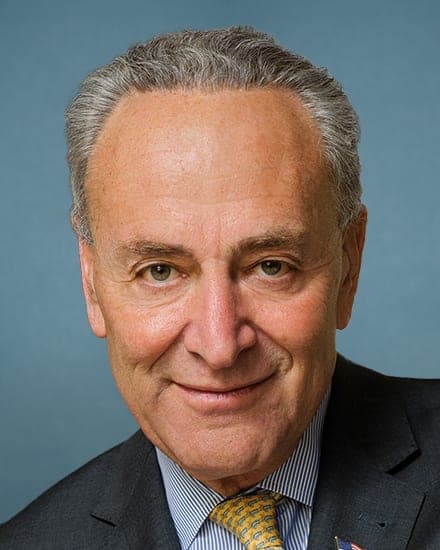
People in this story
SWIPE →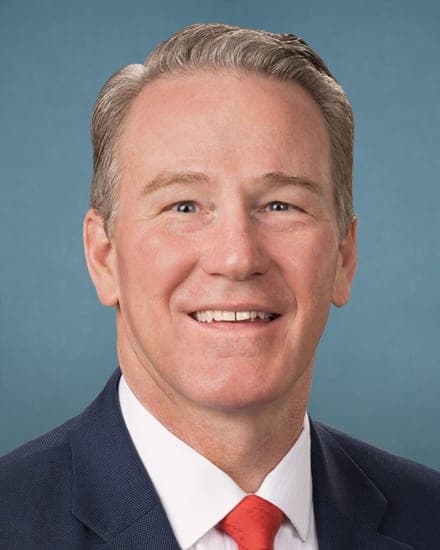

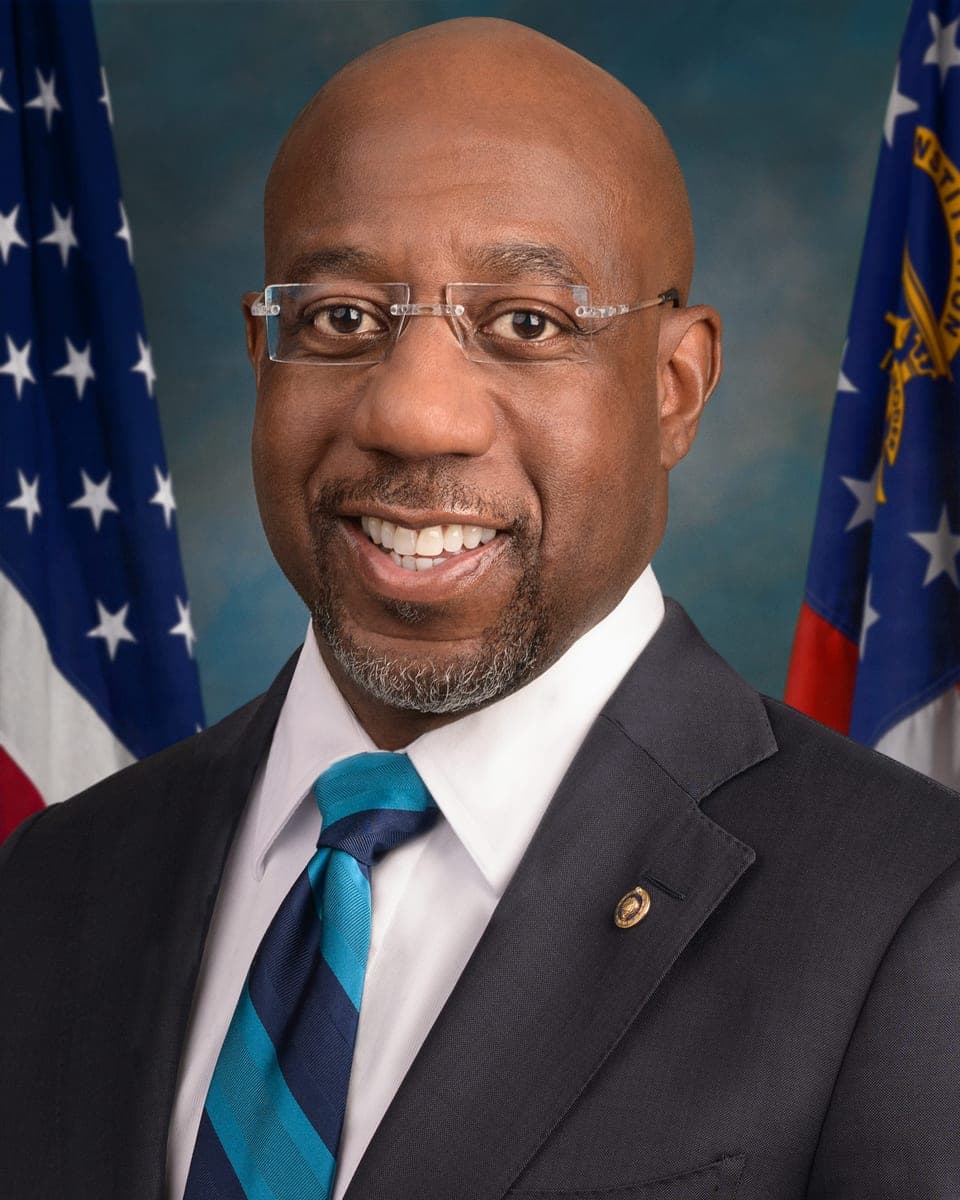
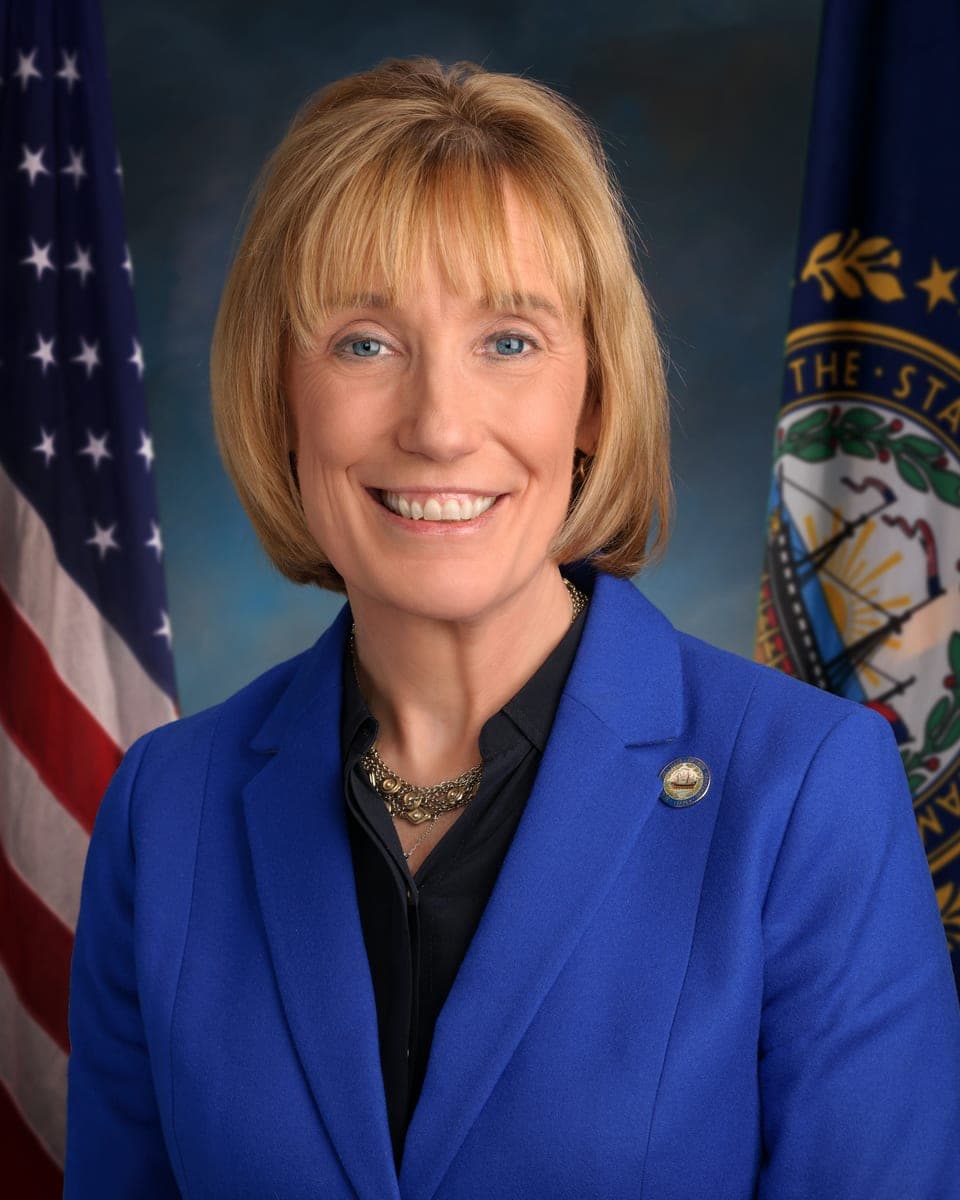
Senator who voted for the bill

Senator who voted for the bill
Senator who voted for the bill
Senator who voted for the bill
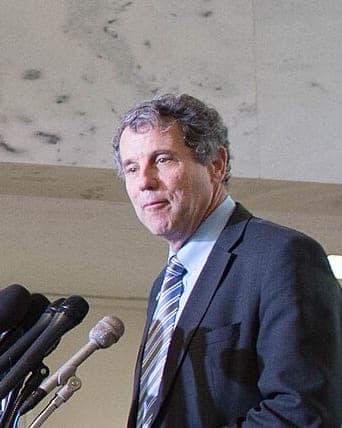
Senate candidate and former Ohio lieutenant governor; previously criticized Husted over data centers
Part of a bigger story
15 OUTLETSSenate Democrats, led by Charles Schumer, blocked a procedural vote to advance the Ratepayer Protection Act, a measure addressing electricity costs tied to data centers. Across the spectrum, outlets report Schumer opposed the legislation as inadequate because its cost protections were voluntary. Left-leaning outlets emphasize Democratic arguments that the legislation provided weak, voluntary safeguards. Center outlets focus on the legislative standoff and the dispute over whether utility rules should be mandatory, with Roll Call detailing the stalled procedural vote. Right-leaning outlets argue Democrats blocked consumer energy relief for midterm political advantage.
- ARTICLES
- 18
- OUTLETS
- 15
- AVG CRED
- 68
Discussion · 0
Loading comments…