New Midterms Flashpoint: Dems Block Electricity Cost Bill
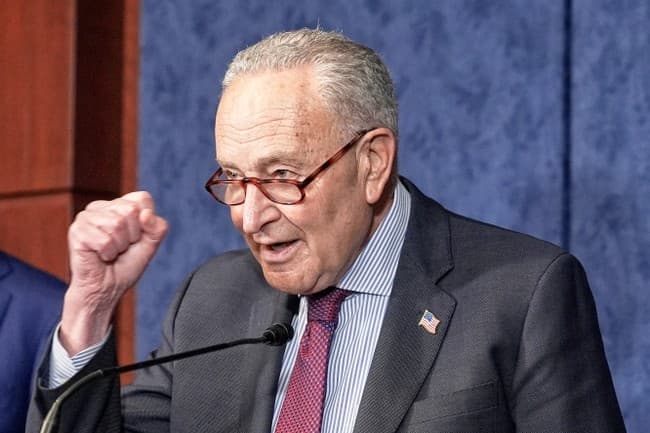
The article says Schumer led Senate Democrats in blocking the Ratepayer Protection Act and quotes his criticism of the measure.
SOURCE CHECK
TAP FOR WHYRedState is an opinion-oriented outlet, and this article is openly partisan commentary rather than a report with extensive independent sourcing. It identifies its author and includes a direct quotation, but gives limited support for some claims about the election and the bill.
- Source type — Opinion-oriented publisher and article; a lower credibility prior than a reported news organization.
- Editorial standards — The piece uses openly partisan commentary and does not consistently separate interpretation from reported claims.
- Author attribution — The article names its author.
- Transparency — It quotes Schumer and identifies the polling average, but offers limited supporting detail or documentation.
The article provides a clear account of the bill dispute and includes Schumer’s criticism and the four Democratic senators who supported the bill. Its analysis is strongly one-sided, relies on limited sourcing, and offers little independent evidence for its claims about political effects.
HOW WE SCORE ↗The article includes Schumer’s argument that the bill lacks meaningful protections, but the author dismisses it and largely advances a Republican campaign framing. The bill’s merits and the opposing case receive little examination.
- Loaded language — The article uses repeated partisan ridicule and evaluative language.
- Counterarguments presented — Schumer’s criticism appears, but receives little exploration or independent testing.
- Source diversity — There is limited sourcing beyond Schumer’s quoted statement and claims attributed to Husted.
- Opinion vs reporting — The piece is openly opinionated and treats the political interpretation as its central frame.
The article’s framing is strongly critical of Senate Democrats and Chuck Schumer, using ridicule and describing the vote as a political misstep. It emphasizes potential benefit to Republicans and gives little comparable scrutiny to their position.
- Language tone — Derisive descriptions of Schumer and Democrats make the article’s partisan stance explicit.
- Framing — The vote is framed chiefly as a Democratic mistake and a possible political lifeline for a Republican.
- Source selection — Schumer’s objection is quoted, but the article does not develop a comparable defense of the Democratic position.
The article says Senate Democrats blocked the Ratepayer Protection Act, with four Democratic senators supporting it. The author argues the vote could give Ohio Republican Jon Husted a campaign talking point against Sherrod Brown.
The article reports that Senate Democrats blocked the Ratepayer Protection Act, which it says would make AI companies and data centers bear more of their electricity costs. Chuck Schumer called the bill a “fraud” that offered no real protections; Amy Klobuchar, Jon Ossoff, Raphael Warnock and Maggie Hassan supported it. The article also says the measure passed the House with bipartisan support.
The author argues that blocking the bill could help Ohio Senator Jon Husted in his race against Sherrod Brown, who has criticized Husted over data centers. Husted argued that the bill’s House passage showed the effort need not be treated as a partisan victory. The article presents the vote as a potential midterm talking point, while noting that the bill’s effects remain uncertain.
Community verdict
2 VOTES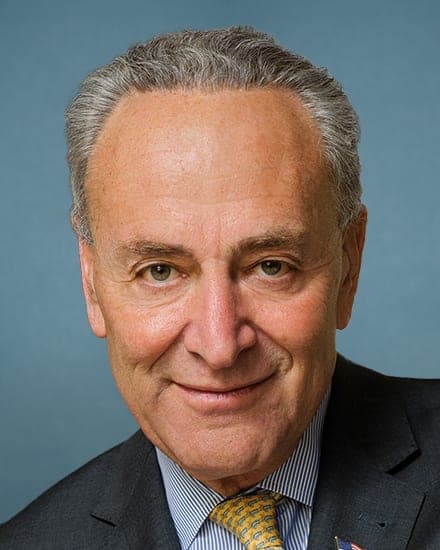
People in this story
SWIPE →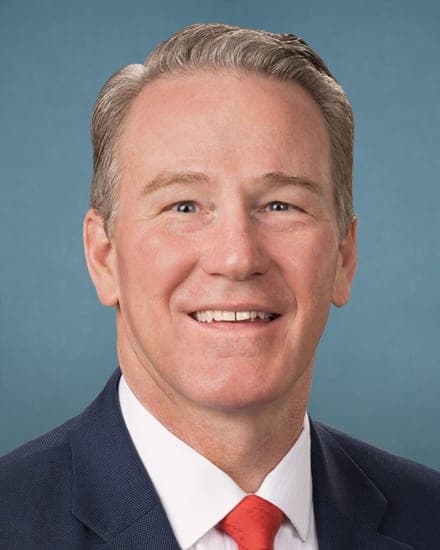
Ohio senator whose race the article says could be affected by the vote
Husted's version of this story ↗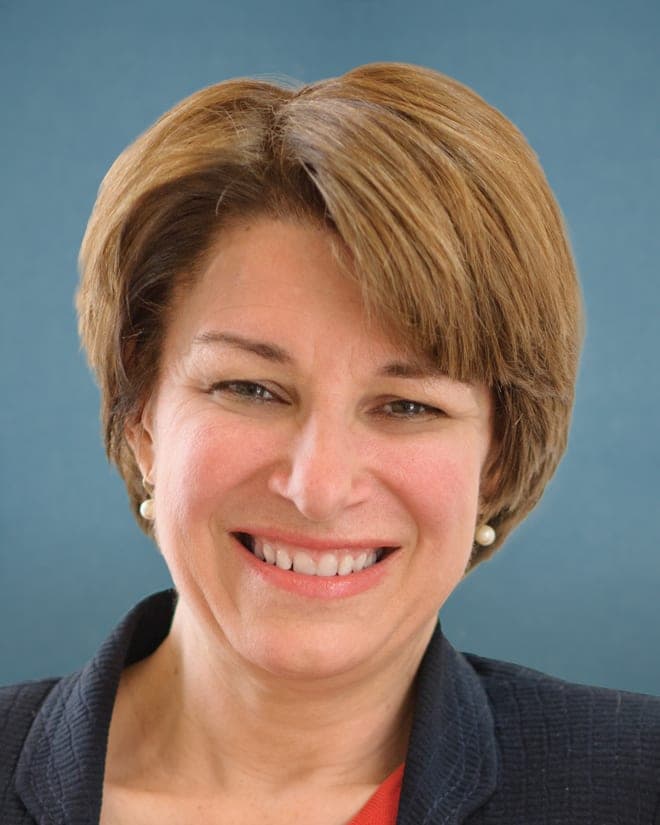
Senator who supported the bill

Senator who supported the bill
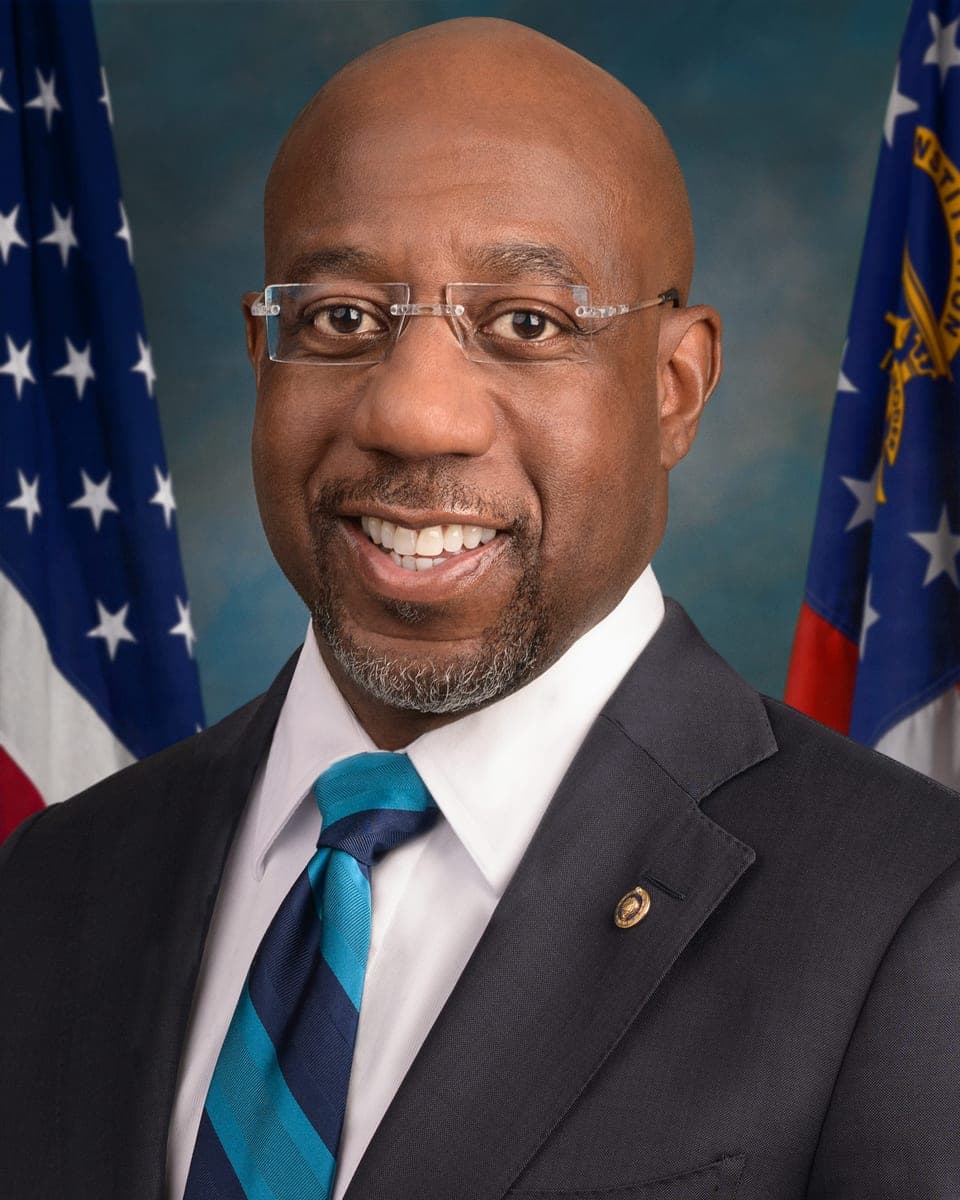
Senator who supported the bill
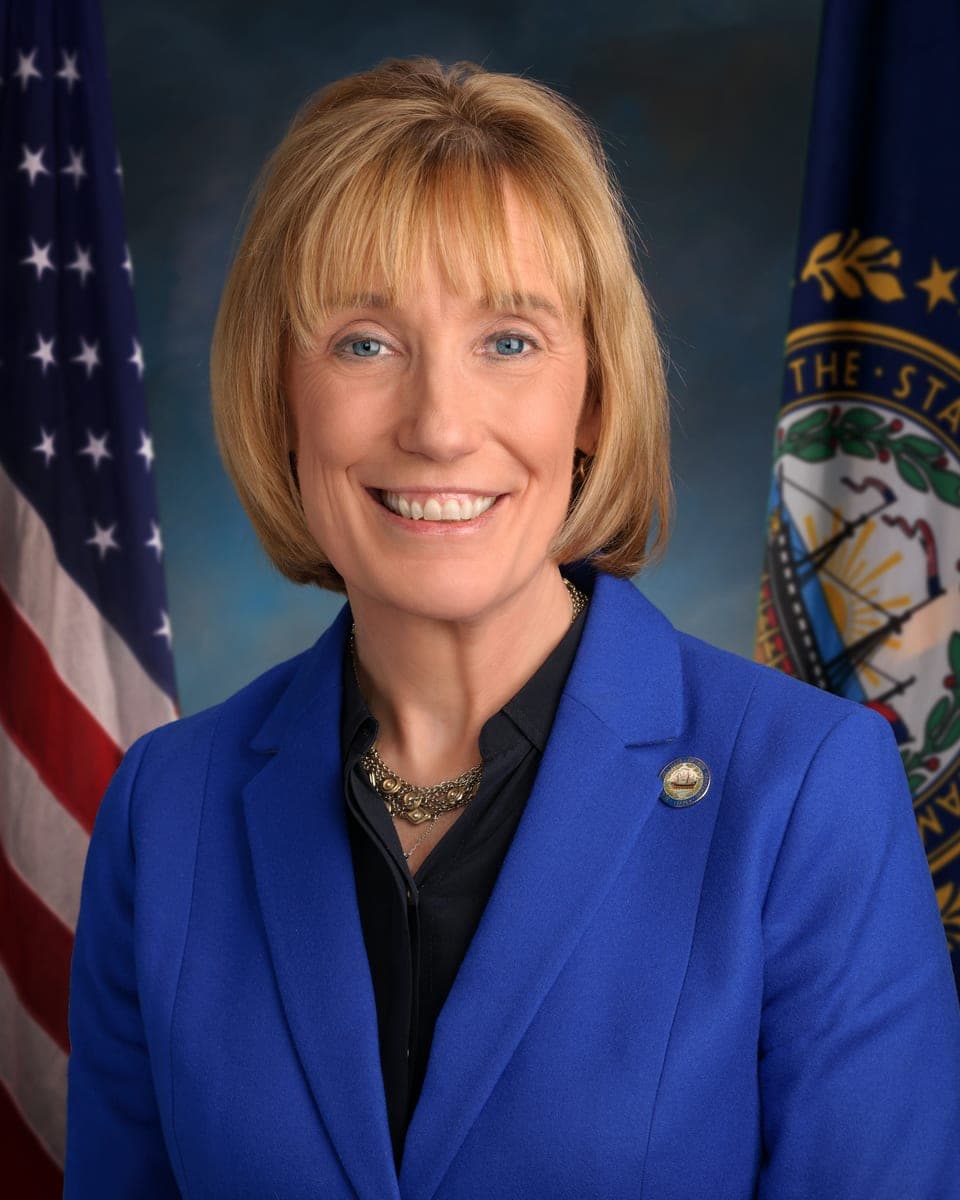
Senator who supported the bill

Vice President, mentioned as Husted’s predecessor in the Senate seat
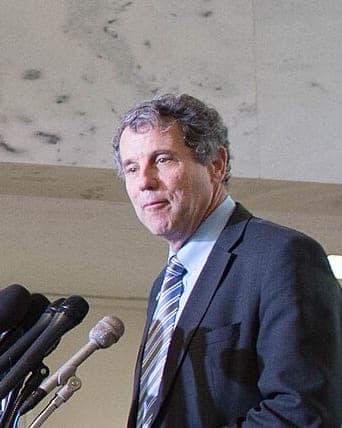
Senate candidate and Husted’s opponent
Part of a bigger story
15 OUTLETSSenate Democrats, led by Charles Schumer, blocked a procedural vote to advance the Ratepayer Protection Act, a measure addressing electricity costs tied to data centers. Across the spectrum, outlets report Schumer opposed the legislation as inadequate because its cost protections were voluntary. Left-leaning outlets emphasize Democratic arguments that the legislation provided weak, voluntary safeguards. Center outlets focus on the legislative standoff and the dispute over whether utility rules should be mandatory, with Roll Call detailing the stalled procedural vote. Right-leaning outlets argue Democrats blocked consumer energy relief for midterm political advantage.
- ARTICLES
- 18
- OUTLETS
- 15
- AVG CRED
- 68
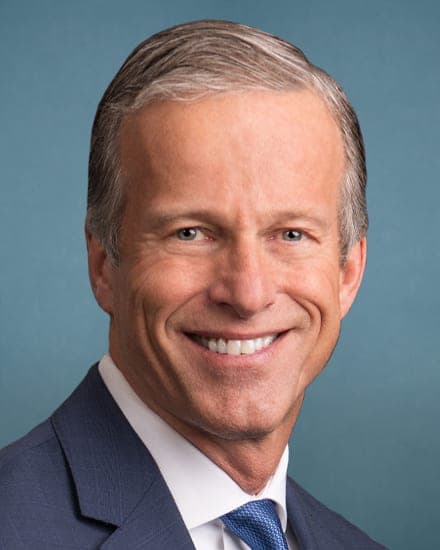
Discussion · 0
Loading comments…