What the Epstein Files Teach Us About Power and the Press
Higdon cites Greene’s comments about Epstein and Israel as an example of questions he says the press failed to examine.
SOURCE CHECK
TAP FOR WHYCredibility rates Truthout, which republished this story. The other scores rate the article itself.
Truthout is a nonprofit news organization, but this page is explicitly an opinion essay rather than reported news. The author and publisher are identified, while the essay’s argumentative framing and limited presentation of competing interpretations constrain confidence in the reporting standards of this specific piece.
- Source type — Opinion publisher; the article is an explicitly argumentative essay.
- Transparency — The essay identifies documents and other reporting it relies on, though not every claim is independently substantiated in the text.
- Author attribution — The author is named, providing basic accountability.
- Editorial standards — Truthout is an established nonprofit outlet, but the article’s opinion format is not evidence of a corrections record for this piece.
The essay names documents, quotes and other outlets, and sometimes distinguishes claims from established facts. It is strongly interpretive, gives limited space to competing explanations, and makes consequential arguments about intelligence links and media conduct without fully establishing them in the text.
HOW WE SCORE ↗This is an opinion essay that advances a sustained critique of Trump and legacy news organizations. It acknowledges that political claims require caution and notes uncertainty in some documents, but gives little space to alternative explanations or responses from the criticized outlets and figures.
- Opinion vs reporting — The essay’s central purpose is to argue that the press has failed in its responsibilities.
- Counterarguments presented — It cautions that Greene’s claims need substantial evidence and notes that some claims remain uncertain, but offers little developed counterargument.
- Source diversity — The piece cites documents, other outlets and commentators, but the sources largely support the essay’s case.
- Loaded language — The author uses evaluative descriptions of media coverage and political conduct.
The essay is sharply critical of Trump and mainstream media coverage, and adopts a progressive, anti-establishment framing. Its criticism also targets outlets across the political spectrum, but the overall presentation leans left.
- Language tone — Uses condemnatory language about Trump and media conduct, including describing press failures and alleging efforts to silence dissent.
- Framing — Frames the story around powerful figures and institutions escaping scrutiny, with particular criticism of Trump and legacy media.
- Source selection — Highlights reporting and commentators supporting the author’s critique, while presenting little counterargument.
Republished
Republished from Substack. The relationship between the two publishers has not been determined.
Not rated.
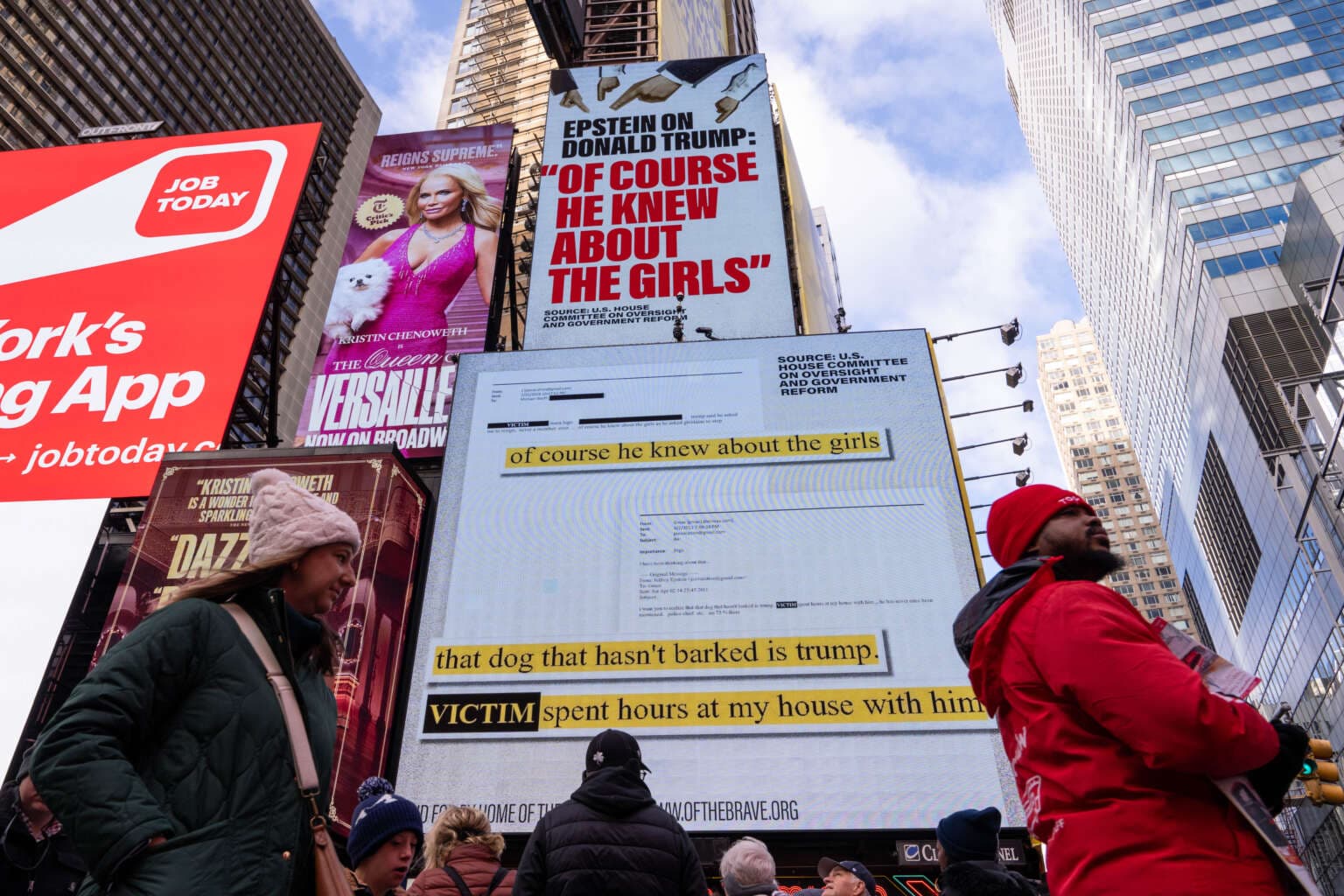
Nolan Higdon argues that news organizations have inadequately investigated Epstein’s connections to powerful figures and governments, and criticizes their coverage of the files. The essay highlights Donald Trump’s response to the impending release and Representative Marjorie Taylor Greene’s public comments about Epstein’s alleged intelligence ties.
The essay says Congress passed a bill to release government files on Jeffrey Epstein and argues that the press should investigate whether Epstein’s connections could have compromised elected leaders. It describes Trump’s denunciations of Marjorie Taylor Greene and Lauren Boebert, his responses to reporters’ questions, and his eventual support for releasing the files. The article also recounts documents and emails concerning Trump, former officials and journalists, while noting that the documents do not establish some claims described in the essay.
Higdon criticizes mainstream outlets for giving insufficient attention to Epstein’s alleged government connections and presents Greene’s CNN interview as an example. He also questions journalists’ past relationships with Epstein and concludes that the press should report on people in power using solid evidence. These are the author’s arguments and interpretations.
Community verdict
11 VOTES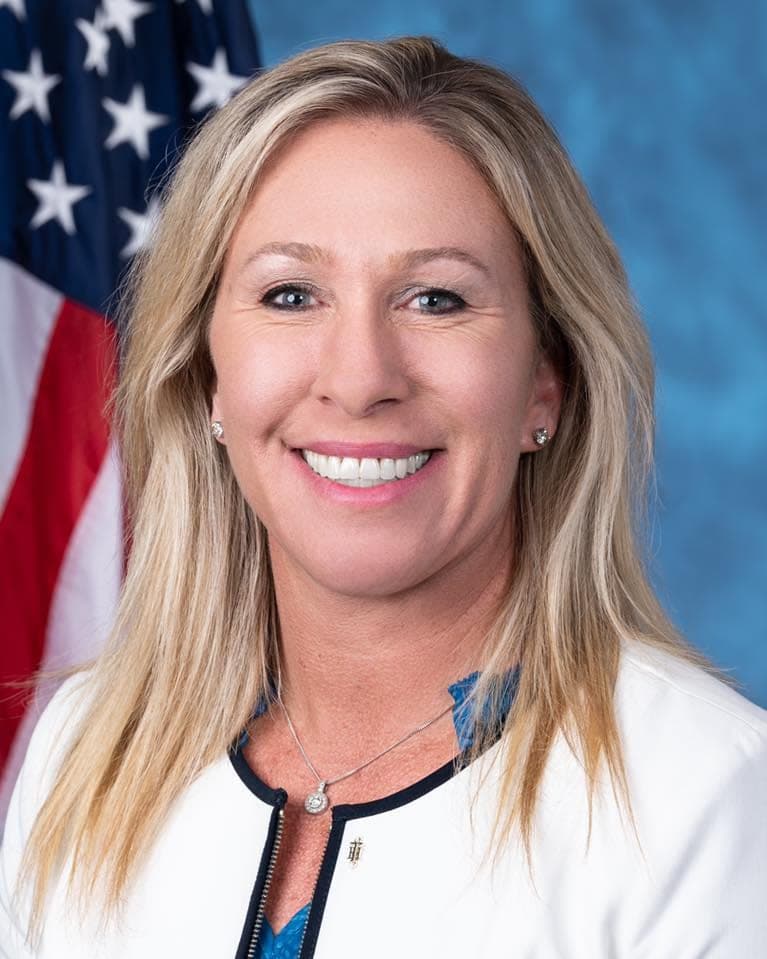
Counts every outlet’s report of this story. See all 2
- Readers of left-leaning coverage: 56% good look
- Readers of right-leaning coverage: not enough votes yet
Votes cast on this page
Votes cast on this page: ▲ 5 · ◆ 2 · ▼ 4
People in this story
SWIPE →Representative whose public comments about Epstein’s possible intelligence ties are presented as an example of the press’s response to the files

President whose response to the impending release of Epstein files is discussed throughout the essay
Trump's version of this story ↗
Representative who advocated releasing the files and was summoned by Trump to the Situation Room
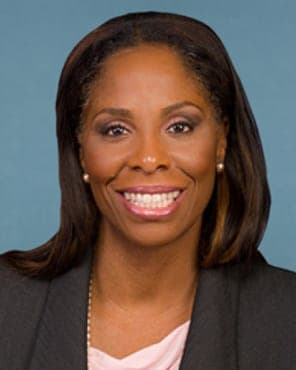
Delegate from the U.S. Virgin Islands who live-tweeted with Epstein during a House Oversight Committee hearing
Part of a bigger story
2 OUTLETS- ARTICLES
- 2
- OUTLETS
- 2
- AVG CRED
- —
Discussion · 0
Loading comments…