David Hogg Calls Media Obsession with Hasan Piker "Weird" as Hakeem Jeffries Joins Attacks
The article links the attacks on Piker to an effort to harm El-Sayed’s campaign.

SOURCE CHECK
TAP FOR WHYTruthout is rated 55 by the site, based on a limited set of stories, and this page is attributed to a named author. The publisher’s opinion-oriented source type and the article’s strongly argumentative framing temper the score.
- Track record — The site's 55 rating is based on 12 stories, a limited record for assessment.
- Source type — Recorded as an opinion source; the article uses a strongly opinionated frame.
- Author attribution — A named author is provided.
- Editorial standards — The page includes attributed statements and identifies sources for some claims, but offers limited independent corroboration.
The article gives direct quotations and identifies public posts and statements as sources, but it relies heavily on one interpretive perspective. It offers little response from the criticized figures or independent verification of its broader claims about media attention and how Piker’s remarks were characterized.
HOW WE SCORE ↗The article presents the statements of Jeffries, Slotkin and Rogers, but largely frames them as unjustified or inaccurate and provides little context for their reasoning or a response from them. Its account is substantially one-sided.
- Counterarguments presented — The criticized figures’ statements are included, but their reasoning is not developed or contextualized.
- Loaded language — The narrative uses dismissive and judgmental descriptions of the critics’ actions.
- Source diversity — Most interpretive material supports one side of the dispute.
- Omitted context — Little information is provided about the critics’ stated basis for their concerns beyond their quoted remarks.
The article uses sympathetic language for Piker and progressive candidates while sharply criticizing establishment Democrats, Republicans and corporate media. The framing is strongly left-leaning rather than a neutral account of a political dispute.
- Language tone — Uses evaluative descriptions such as “bizarrely” and “distorted” that favor the article’s criticism of Piker’s critics.
- Framing — Presents attention to Piker as a distraction from progressive candidates and policy issues.
- Source selection — Quotes Hogg and Piker-supportive perspectives, with little space for those criticized to explain their positions.
David Hogg criticized media and Democratic figures for focusing on Hasan Piker, while the article says House Minority Leader Hakeem Jeffries joined attacks on Piker linked to Michigan Senate candidate Abdul El-Sayed. The article argues that Piker’s remarks were mischaracterized as calls for violence.
David Hogg called the attention paid to Hasan Piker “weird,” arguing that media and establishment Democrats were focusing on a streamer instead of elected officials and policy issues. The article describes Piker as a left-wing streamer and says he urged attention to campaign issues affecting Americans.
The article says Republican opponent Mike Rogers shared a clip of Piker’s comments about equating Judaism with support for Israel, then accused him of calling for violence against Jewish people. It says Piker had no campaign role beyond appearances at El-Sayed campaign stops, and that Jeffries and Senator Elissa Slotkin also criticized Piker. The article argues their statements did not match what Piker had said.
Community verdict
2 VOTES
People in this story
SWIPE →Senate candidate whose campaign and supporters were drawn into the dispute over Piker
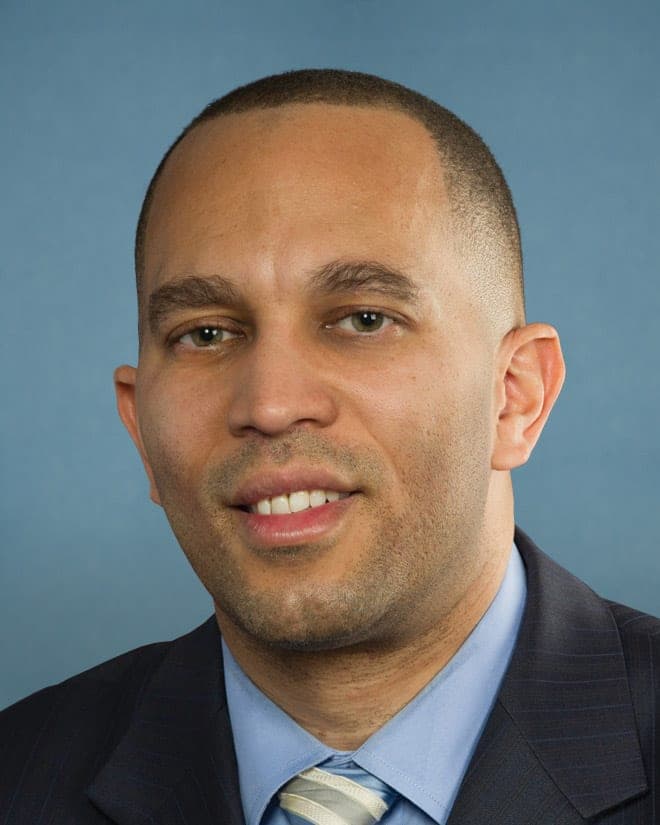
House Minority Leader criticized for joining attacks on Hasan Piker
Jeffries's version of this story ↗
Michigan senator who criticized Piker’s remarks

President referenced in connection with Loomer and the administration

Trump ally and adviser cited by Hogg as a contrast to coverage of Piker
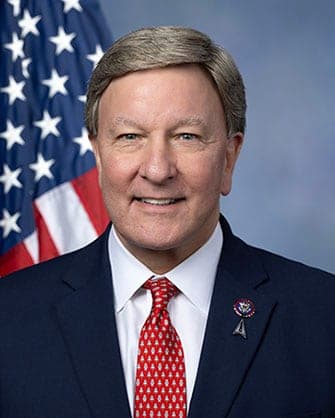
Republican opponent of El-Sayed who shared a clip of Piker and accused him of calling for violence
Discussion · 0
Loading comments…