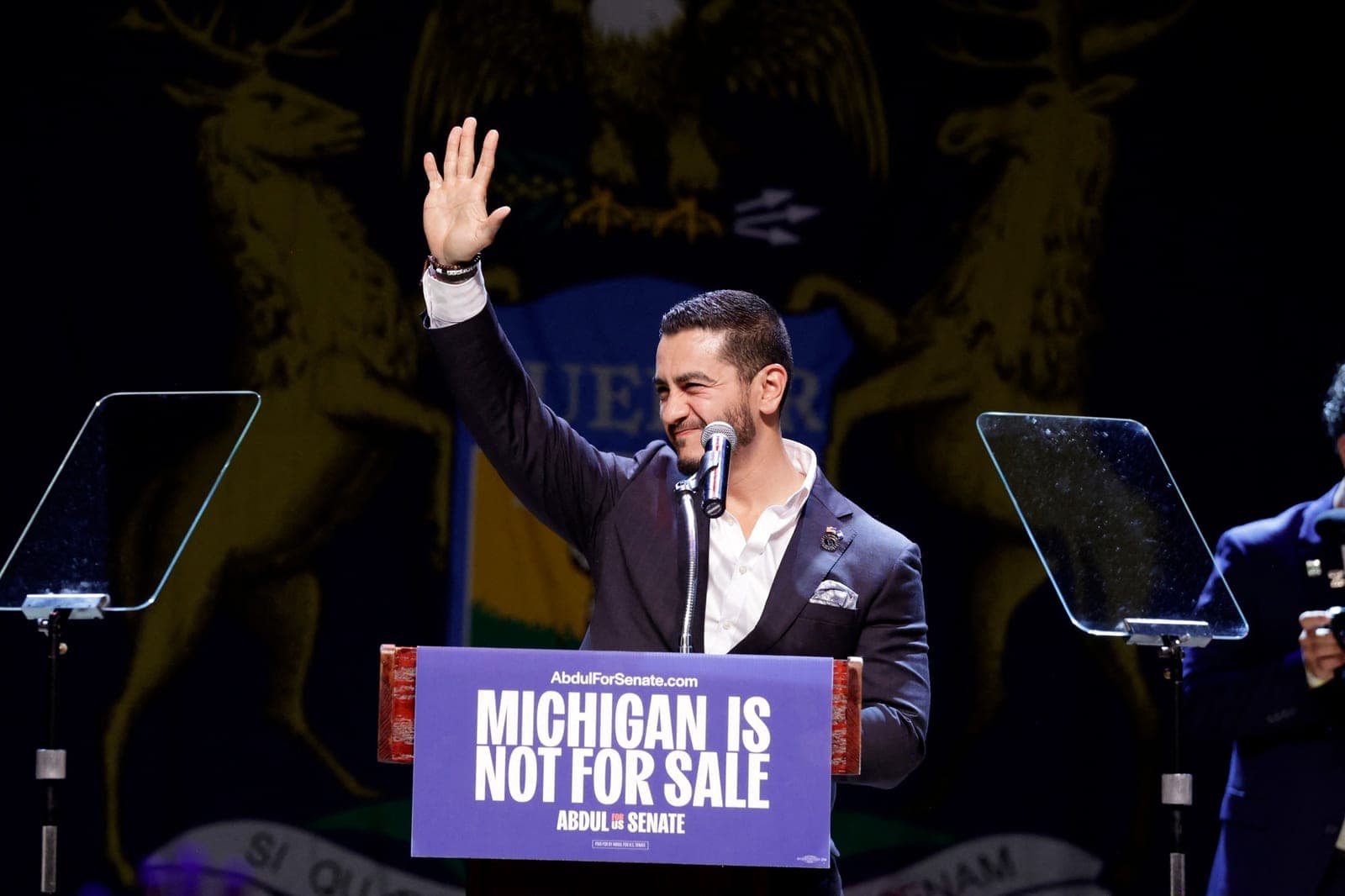
Abdul El-Sayed Triumphs Over Haley Stevens in $60M Loss for AIPAC, Corporations
Abdul El-Sayed won the Democratic Senate primary and will face Mike Rogers in the general election.
SOURCE CHECK
TAP FOR WHYTruthout is an established publication with an identified author, but this piece uses strongly opinionated framing and offers limited evidence on the page about its editorial and correction practices. Its institutional credibility is therefore below that of a broadly neutral, standards-focused news outlet.
- Source type — Recorded as an opinion source, which lowers the score relative to a straight-news newsroom.
- Editorial standards — The article’s framing is openly ideological; the page provides little detail about editorial safeguards.
- Author attribution — The article identifies an author.
- Transparency — The publication identifies itself and solicits reader support, but the article gives limited sourcing detail for some broader claims.
The story reports vote percentages, attributes campaign remarks and identifies outside spending, but it relies heavily on campaign statements and provides little response or context from the opposing side. Some broad claims, including references to polling and the scale of the spending, receive limited sourcing within the article.
HOW WE SCORE ↗The article gives the results and includes Stevens’s concession, but its interpretation and characterization of the race are largely one-sided. It provides little direct explanation of Stevens’s positions or a response from the groups it criticizes.
- Source diversity — The story quotes El-Sayed and Stevens but offers little substantive perspective from outside the campaigns.
- Loaded language — Several descriptions convey a strong judgment about the candidates, their supporters and the spending.
- Counterarguments presented — Stevens’s concession is included, but her policy arguments and the criticized groups’ responses are not developed.
- Opinion vs reporting — Reporting of the result is combined with an explicitly favorable interpretation of the progressive outcome.
The article frames El-Sayed’s victory as a progressive triumph and characterizes his opponents and their supporters in sharply critical terms. Its descriptions of Israel policy and corporate influence consistently favor the progressive side of the contest.
- Language tone — Uses evaluative language, including describing the outcome as a ground-shaking progressive triumph.
- Framing — Presents the result primarily as a defeat for establishment interests and corporate spending.
- Source selection — Includes campaign remarks and supporters’ claims, with little direct presentation of Stevens’s policy case.
- Headline — The headline casts the result as a loss for AIPAC and corporations.
Abdul El-Sayed won Michigan’s Democratic Senate primary over Rep. Haley Stevens after a costly contest shaped by outside spending and disagreements over Israel policy. El-Sayed will face Republican Mike Rogers in the general election, and voters also chose William Lawrence in a House primary.
With more than 95 percent of the vote counted, El-Sayed had 48.5 percent to Stevens’s 47.5 percent; Mallory McMorrow, who had left the race, received 4 percent. The Associated Press called the race. Stevens congratulated El-Sayed and said she would support him, and El-Sayed is set to face Republican Mike Rogers in the general election. The article describes the contest as a progressive win and highlights El-Sayed’s positions on Israel aid, data centers, immigration enforcement and Medicare for All.
The article says AIPAC spent more than $30 million through an affiliated super PAC to support Stevens and oppose El-Sayed, while corporate-backed PACs spent more than $30 million supporting Stevens. El-Sayed said his campaign had been outspent 11 to 1. Separately, voters chose William Lawrence in the Democratic primary for Michigan’s 7th District; the article reports he received 44 percent, 15 points more than the next candidate.
Community verdict
3 VOTES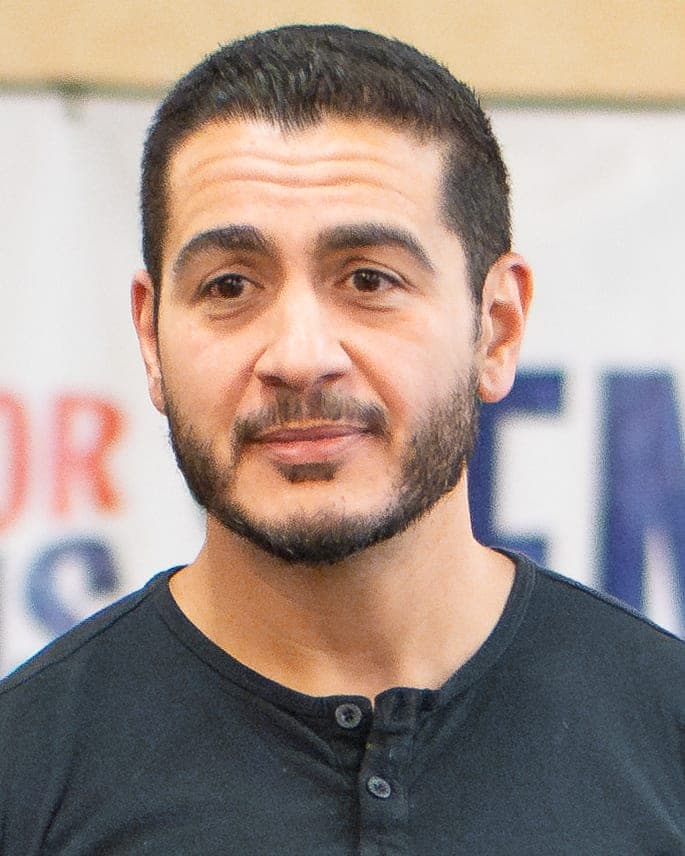
People in this story
SWIPE →
U.S. representative and Democratic Senate primary candidate who lost to El-Sayed
Stevens's version of this story ↗Democratic House candidate who won the primary in Michigan’s 7th District
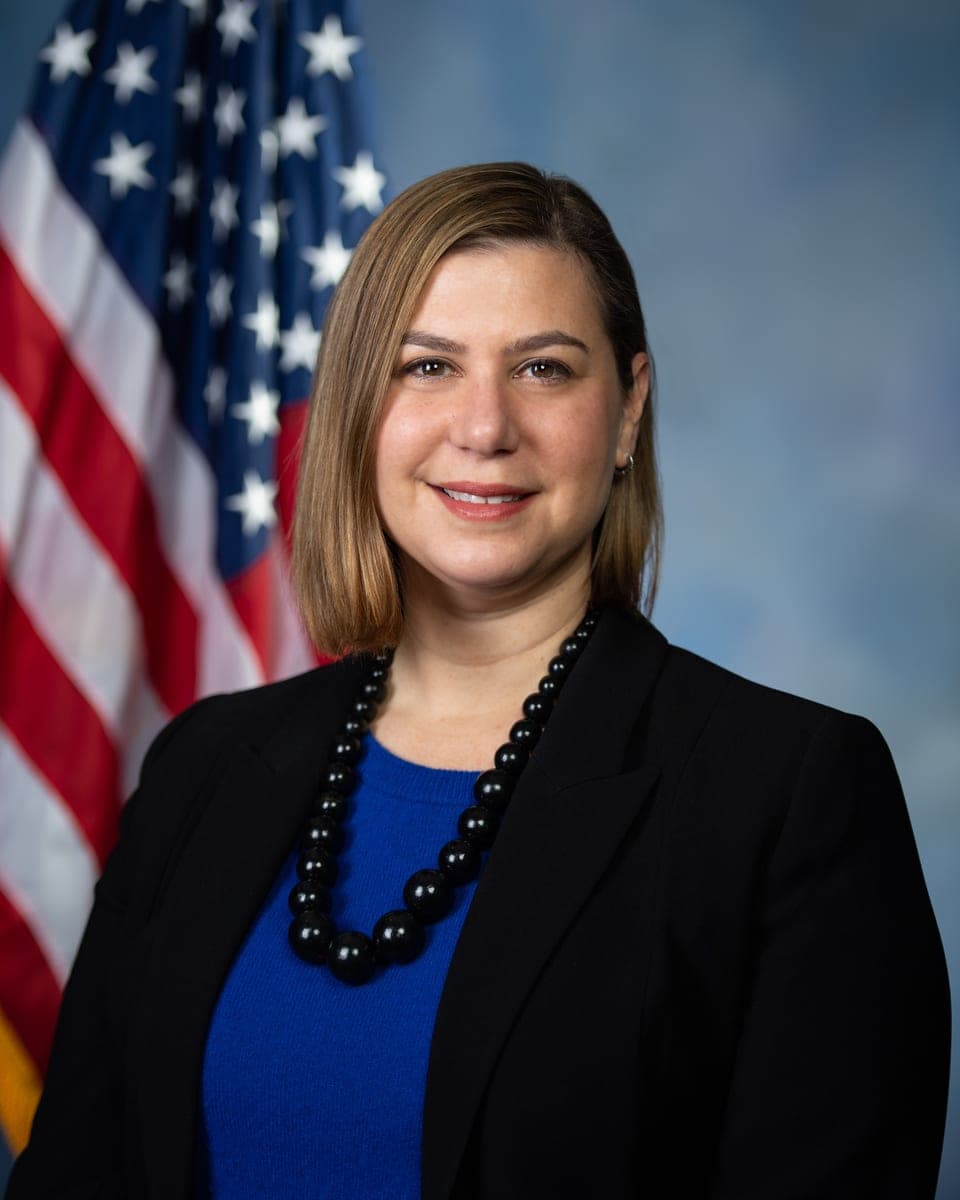
U.S. senator and former representative of the district where Lawrence ran
Democratic Senate candidate who dropped out of the race

President who backs Mike Rogers
U.S. senator who backed William Lawrence
Republican Senate candidate in Michigan and El-Sayed’s general-election opponent
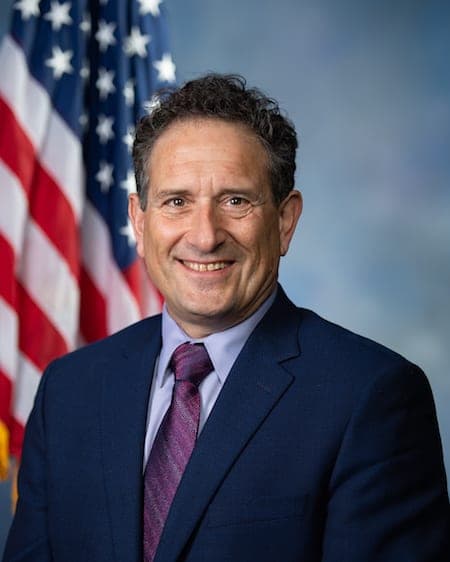
Former U.S. representative referenced in the history of Stevens’s House race
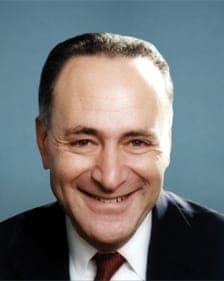
Senate minority leader who backed Stevens
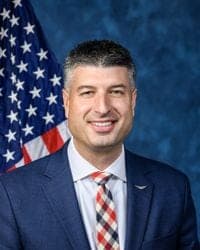
U.S. representative whose district is the subject of the House primary result
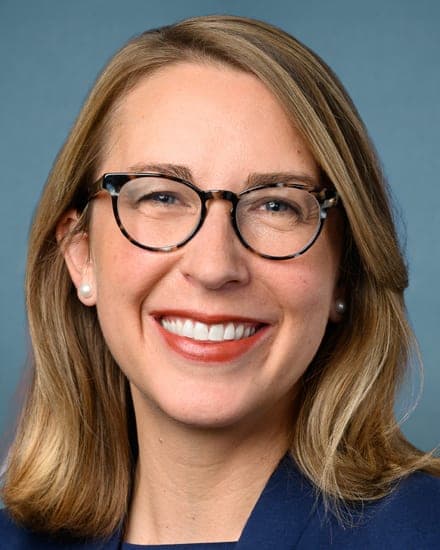
U.S. representative described as a Stevens backer who may not support El-Sayed
Part of a bigger story
45 OUTLETSOutlets agree Abdul El-Sayed won Michigan’s Democratic Senate primary over Haley Stevens and will face Republican Mike Rogers in November. Left-leaning outlets present the win as a progressive challenge to party leaders and a marker of movement momentum, while also weighing its reach in November. Center outlets emphasize the close result, party direction and the general-election contest. Right-leaning outlets often frame the result as a leftward shift or establishment setback and stress questions about El-Sayed’s general-election appeal, with some focusing on ethical or policy criticism.
- ARTICLES
- 51
- OUTLETS
- 45
- AVG CRED
- 69
Discussion · 0
Loading comments…