U.S. Senate Pushes $900B Defense Bill to Trump's Desk
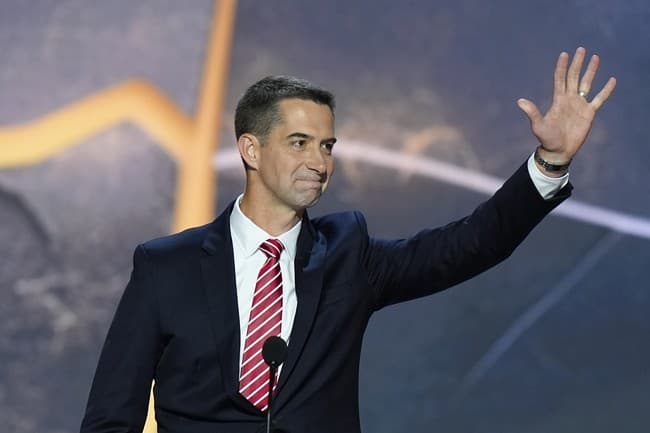
Tom Cotton praised the bill’s passage and outlined intelligence provisions he said would strengthen national security.
SOURCE CHECK
TAP FOR WHYTownhall is a named, established political publisher with an attributed author, but its conservative opinion-oriented positioning warrants caution. The article relies heavily on official statements and social-media posts rather than independent sourcing.
- Source type — Opinion-oriented political publisher; this is a downward factor despite the article's news-style presentation.
- Transparency — The article links its account to public statements and posts, but provides limited independent reporting.
- Author attribution — A named author is identified.
- Editorial standards — The text offers little evidence about corrections practices or reporting standards.
The article gives the vote tally, bill purpose and spending estimate, and identifies the House action and next step. Much of its detail comes from lawmakers’ statements, with little independent context or opposing perspective.
HOW WE SCORE ↗The article reports the vote and basic details but leans on statements praising the bill and does not present criticism or explain the opposition reflected in the vote.
- Source diversity — Most detailed commentary comes from Republican senators’ statements.
- Counterarguments presented — The article does not explain why 20 senators voted against the bill.
- Loaded language — The article’s own narration is not strongly loaded.
The report uses mostly descriptive language, though its extended presentation of Republican lawmakers’ favorable statements gives their perspective more space than other views.
- Source selection — The article includes favorable statements from Republican senators but no opposing lawmakers’ views.
- Language tone — The narration is largely factual and avoids overtly loaded descriptions.
- Framing — The framing emphasizes passage and the bill’s stated security and spending provisions.
The Senate approved the 2026 National Defense Authorization Act by a 77-20 vote, sending it to President Donald Trump. The bill would authorize about $900 billion in defense spending and includes a 3.8 percent service-member pay raise.
The Senate approved the 2026 National Defense Authorization Act by a 77-20 vote after the House approved it the previous week. The bill now goes to President Donald Trump; if signed, it would authorize about $900 billion in defense spending and a 3.8 percent pay raise for service members for the next fiscal year.
Sen. Tom Cotton welcomed the bill’s passage and described provisions of the Intelligence Authorization Act included in it, including intelligence-community reforms and measures concerning China, Iran, artificial intelligence and congressional oversight. Sen. Roger Wicker praised the defense bill’s acquisition reforms and its recognition of Mississippi’s contributions to national defense.
Community verdict
42 VOTES
People in this story
SWIPE →Senator who welcomed the bill’s passage and described intelligence provisions included in it

President to whom the bill was sent

Senator who praised the defense bill
Discussion · 0
Loading comments…