I Can't Really Believe Them
Stevens criticized Abdul El-Sayed’s association with Hasan Piker after a poll showed El-Sayed trailing.
SOURCE CHECK
TAP FOR WHYTownhall is an established, openly conservative outlet, but this page is an opinion column rather than independent news reporting. The named author and clear opinion format provide some transparency, while the partisan framing limits its institutional credibility for straight factual reporting.
- Source type — Opinion-first conservative outlet; its stated perspective is evident in the column.
- Author attribution — The column identifies its author.
- Transparency — The piece is presented as an opinion column, making its genre clear.
- Editorial standards — This article provides limited evidence for assessing broader standards or corrections practices.
The column names the politicians and describes their public statements, but relies largely on the author’s interpretation of their motives. Polling and primary-election claims receive little supporting detail, and the piece does not present responses from the politicians or competing interpretations.
HOW WE SCORE ↗The piece is an openly argumentative column that challenges Democratic leaders’ explanations and offers no direct responses or alternative account of their stated positions. The author’s own policy opposition to Medicare for All is explicit.
- Opinion vs reporting — The piece is an opinion column built around the author's judgments.
- Counterarguments presented — The politicians’ statements are quoted or summarized, but their explanations are not developed or tested.
- Loaded language — Uses strongly critical phrases to characterize Democratic leaders and their motives.
- Source diversity — No independent sources or competing perspectives are presented.
The column uses explicitly critical language about Democratic leaders and the DSA, and advances a conservative critique of their policy positions. Its framing and word choice strongly favor that perspective.
- Language tone — Uses dismissive and accusatory language about Democrats and their motives.
- Framing — Frames the leaders’ statements as opportunistic reactions to electoral setbacks.
- Headline — The headline signals distrust of the people discussed.
- Source selection — Relies on the author’s account and selected public statements, without opposing interpretations.
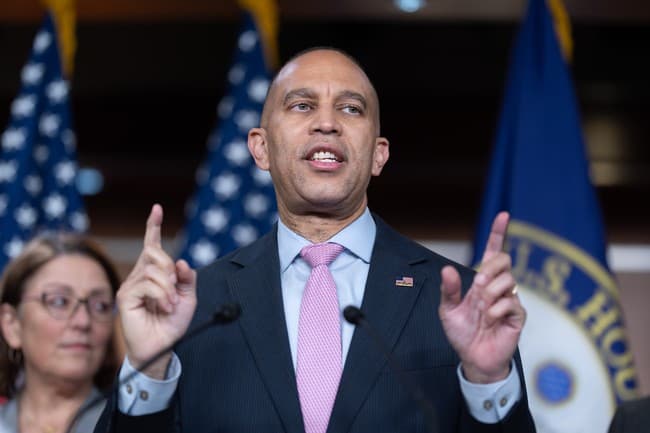
Kevin McCullough argues that Haley Stevens and Hakeem Jeffries are distancing themselves from DSA-linked positions only after polling and primary losses made those positions politically costly. He contrasts their statements with their earlier actions and with Ro Khanna’s continued support for Medicare for All.
McCullough says Stevens, who lost Michigan’s Democratic Senate primary to Abdul El-Sayed, criticized El-Sayed’s association with streamer Hasan Piker after a poll showed El-Sayed trailing Republican Mike Rogers. McCullough characterizes Stevens’s statement as a reaction to unfavorable polling rather than a matter of conviction.
The column says Jeffries told “Meet the Press” he does not support Medicare for All or the DSA agenda, while noting that he co-sponsored the Medicare for All Act in 2019 and 2021. McCullough links the statements to Democratic primary losses and contrasts Jeffries with Khanna, who called Medicare for All an important priority and urged a floor vote if Democrats retake the House. The author argues that Democratic leaders should explain any change in their positions.
Community verdict
2 VOTES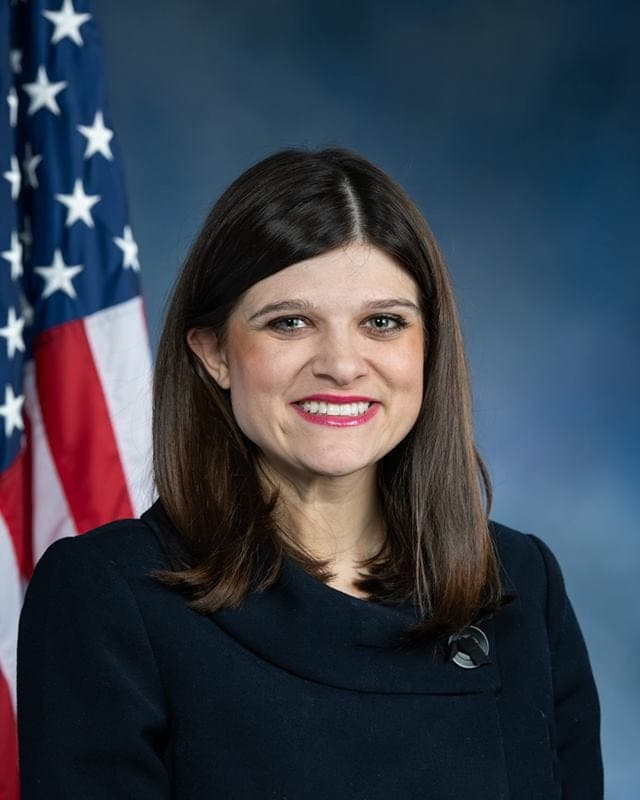
People in this story
SWIPE →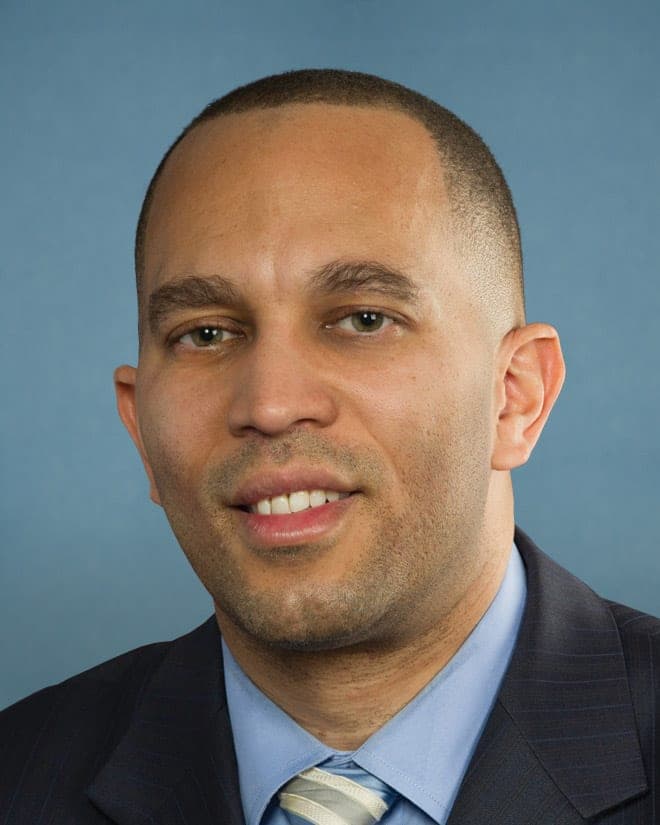
House Minority Leader criticized for his statements on Medicare for All and the DSA agenda
Jeffries's version of this story ↗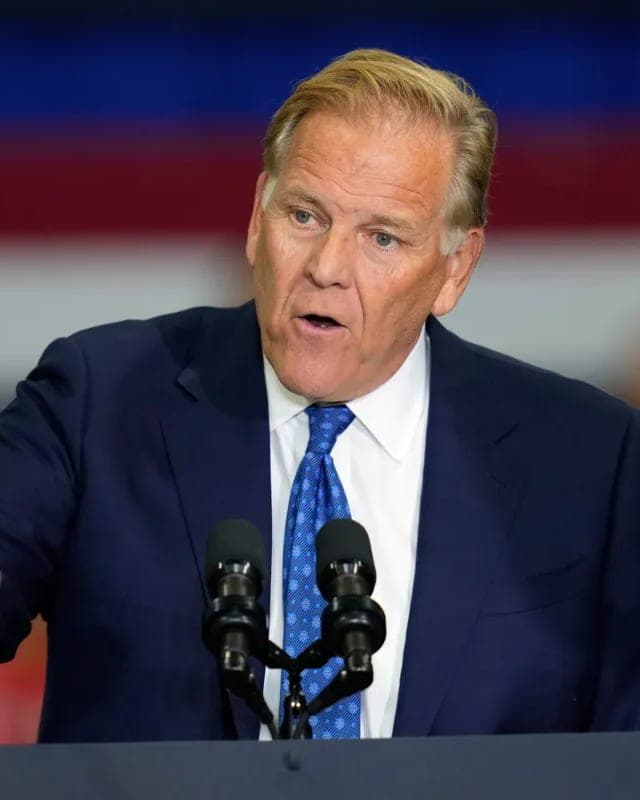
Republican Michigan Senate candidate cited in a poll comparison
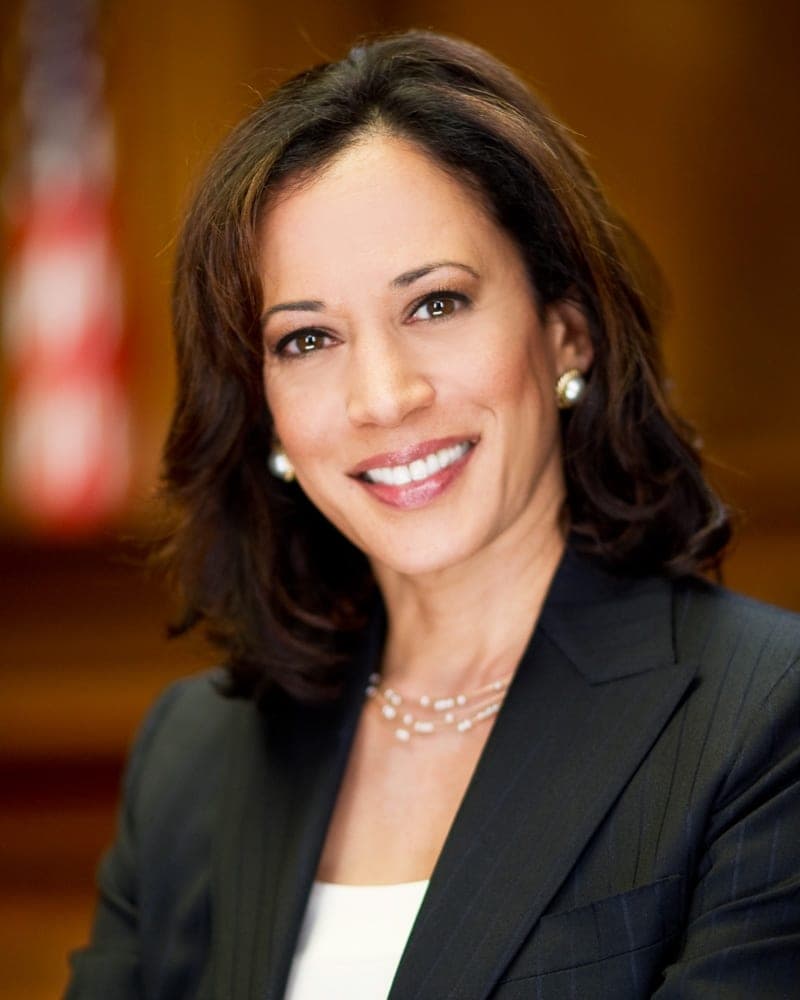
Political figure cited as a comparison for voter support
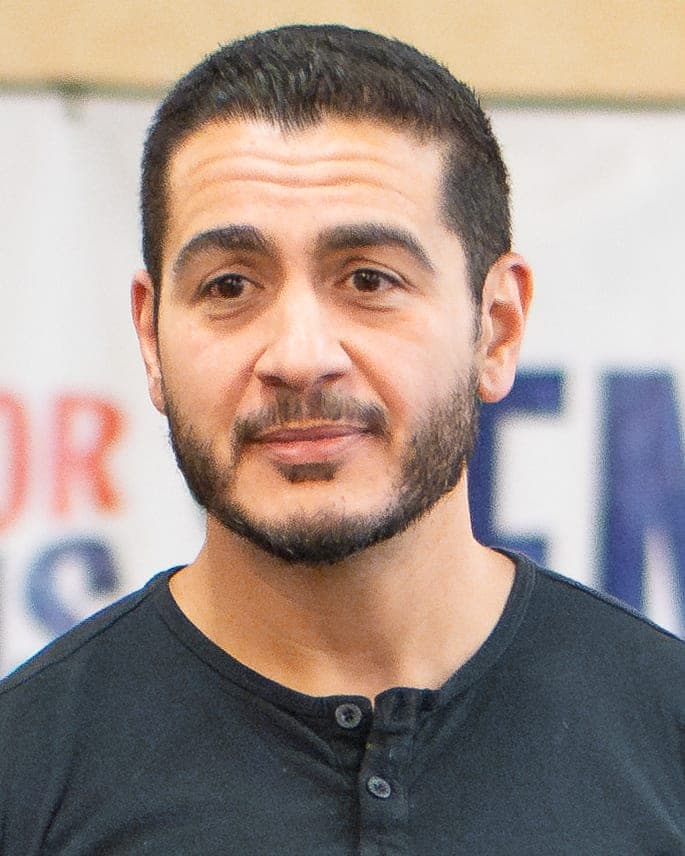
Democratic Senate candidate whose association with Hasan Piker is discussed
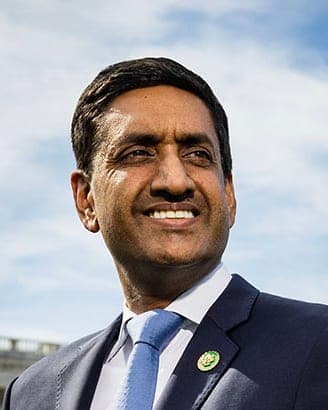
Representative who voiced support for Medicare for All
Discussion · 0
Loading comments…