CNN Analyst Explains Why Democrats Might Regret Nominating Abdul El-Sayed
His nomination is the focus of concerns about Democrats’ chances in the Michigan Senate race.
SOURCE CHECK
TAP FOR WHYTownhall is an established, openly conservative outlet, but this is an opinion-oriented piece rather than a report with multiple independent sources. The author is identified, while the article provides limited information about its sourcing and verification of several voter-group claims.
- Source type — The page is an opinion piece from a partisan outlet, which lowers confidence in its institutional neutrality.
- Editorial standards — The article relies partly on statements attributed to a CNN analyst but does not document the basis for several of its own claims about voter groups.
- Author attribution — The article names Jeff Charles as its author.
The piece gives specific polling probabilities and attributes the forecast to CNN analyst Harry Enten, but it provides little methodology or independent context for those figures. Its broader claims about El-Sayed’s appeal and primary performance are asserted without detailed sourcing, and the article does not present a response or counterargument.
HOW WE SCORE ↗The article includes Enten’s forecast and notes that El-Sayed remains capable of winning, but its broader claims about voter appeal are presented without opposing perspectives or supporting evidence. The piece is opinionated and offers little context about the forecast’s basis.
- Counterarguments presented — The article briefly says El-Sayed could still win but gives no substantive counterargument to its central concern.
- Loaded language — The framing uses evaluative language to cast the nomination as damaging for Democrats.
- Source diversity — The piece relies mainly on one analyst’s forecast and the author’s assertions.
- Omitted context — It gives no methodology or broader context for the odds and voter-group claims.
The article frames El-Sayed’s nomination as a liability for Democrats and uses critical language about his politics and appeal. Its framing and selection of arguments lean strongly conservative, though it attributes the odds comparison to Enten and acknowledges El-Sayed could still win.
- Language tone — The piece calls the forecast bad news for Democrats and characterizes El-Sayed’s politics critically.
- Framing — It presents the nomination primarily as a general-election problem for Democrats.
- Source selection — The article foregrounds a forecast of declining Democratic odds and offers no countervailing assessment from El-Sayed or his campaign.
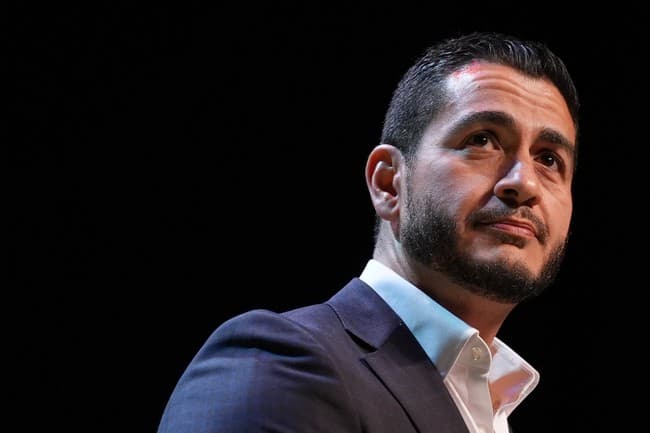
CNN analyst Harry Enten said Democrats’ odds of winning Michigan’s Senate seat fell after Abdul El-Sayed won the nomination, while Republican nominee Mike Rogers’ odds rose. Townhall argues El-Sayed may struggle to attract voters beyond the party’s left wing.
After El-Sayed won the Democratic primary, Enten said on CNN that the party’s chance of winning the Michigan Senate seat had dropped from 79 percent in April to 59 percent. He said Rogers’ odds had risen from 21 percent to 41 percent, and pointed to Democrats’ difficulties with working-class voters and El-Sayed’s support in affluent areas.
Townhall argues that El-Sayed’s positions, including Medicare for All, abolishing ICE and criticism of Israel, may limit his appeal to voters the party needs in the general election. It also says he has had difficulty with several voter groups and contrasts his primary performance with that of his opponent, Representative Haley Stevens, while noting that El-Sayed could still win.
Community verdict
3 VOTES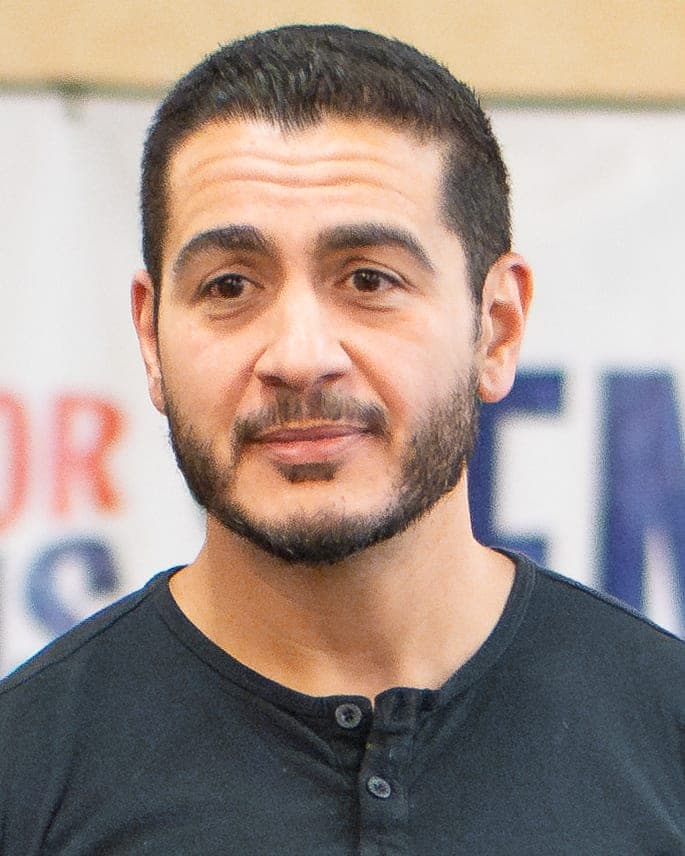
People in this story
SWIPE →Michigan Senate nominee whose primary win prompted discussion of the general-election forecast.

El-Sayed’s primary opponent, whose appeal and performance are contrasted with his.

President referenced in connection with his approval rating and Michigan’s recent political landscape.
Republican Michigan Senate nominee whose general-election odds are compared with El-Sayed’s.
Part of a bigger story
45 OUTLETSOutlets agree Abdul El-Sayed won Michigan’s Democratic Senate primary over Haley Stevens and will face Republican Mike Rogers in November. Left-leaning outlets present the win as a progressive challenge to party leaders and a marker of movement momentum, while also weighing its reach in November. Center outlets emphasize the close result, party direction and the general-election contest. Right-leaning outlets often frame the result as a leftward shift or establishment setback and stress questions about El-Sayed’s general-election appeal, with some focusing on ethical or policy criticism.
- ARTICLES
- 51
- OUTLETS
- 45
- AVG CRED
- 69
Discussion · 0
Loading comments…