Abdul El-Sayed's 'Jewish Outreach' Backfired Big Time
El-Sayed’s holiday messages and Rosh Hashanah visit draw criticism in this opinion piece.
SOURCE CHECK
TAP FOR WHYTownhall is an opinion-oriented publisher, and this article is a named-author commentary rather than independently sourced reporting. The byline offers some transparency, but the article relies heavily on social media posts and presents serious allegations without independent verification.
- Source type — Opinion-first publisher; strong prior for partisan commentary rather than neutral reporting.
- Editorial standards — The article uses highly charged judgments and does not show a reporting process for its claims.
- Author attribution — A named author is identified.
- Transparency — Several quoted posts are attributed to accounts, but serious claims are not independently substantiated in the article.
The piece identifies its author and reproduces dated social media posts, but relies on those posts and the author's assertions for its central claims. It offers no meaningful response from El-Sayed, independent verification of the allegations, or substantial competing perspective.
HOW WE SCORE ↗The article presents a one-sided case against El-Sayed, drawing on the author's assertions and critical social media posts without independent verification or a substantive response from him.
- Counterarguments presented — No substantive response from El-Sayed or a supporter is included.
- Loaded language — The author's language repeatedly characterizes the outreach as fake or performative.
- Source diversity — The cited reactions are overwhelmingly critical and drawn from social media.
- Omitted context — Claims about the visitors and El-Sayed's conduct are not independently checked in the article.
The article uses strongly negative language about El-Sayed and frames his outreach as deceptive, while selecting almost exclusively critical reactions. Its framing and language make the piece strongly right-leaning.
- Language tone — Uses labels such as “pretended,” “dangerous,” and “performative nonsense.”
- Source selection — Quotes multiple critics of El-Sayed and no supportive or neutral voices.
- Framing — Treats holiday outreach as evidence of political insincerity.
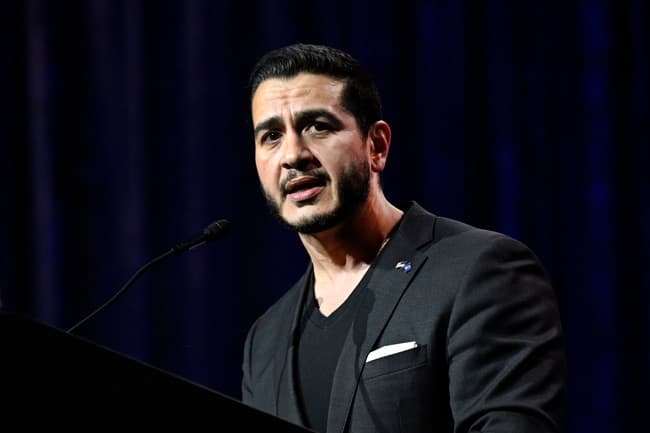
Amy Curtis argues that Abdul El-Sayed’s Yom Kippur greeting and Rosh Hashanah visit were insincere campaign outreach, citing his positions on Israel and criticism of his past response to a synagogue attack. Social media users quoted in the article challenge the authenticity of the visit and criticize El-Sayed.
Curtis criticizes Michigan Senate candidate Abdul El-Sayed’s campaign outreach to Jewish voters, including a Yom Kippur greeting and a post about spending Rosh Hashanah with two Michigan women. She argues the outreach conflicts with his stated position on Israel and his response to a synagogue attack.
The article quotes social media users who question whether the visit was representative of Jewish views and criticize El-Sayed. Noah Pollak claims the two women are Jewish Voice for Peace activists and alleges they support Hamas and endorse October 7; other posts also accuse El-Sayed of defending a terrorist attack. The article does not independently verify those claims.
Community verdict
3 VOTES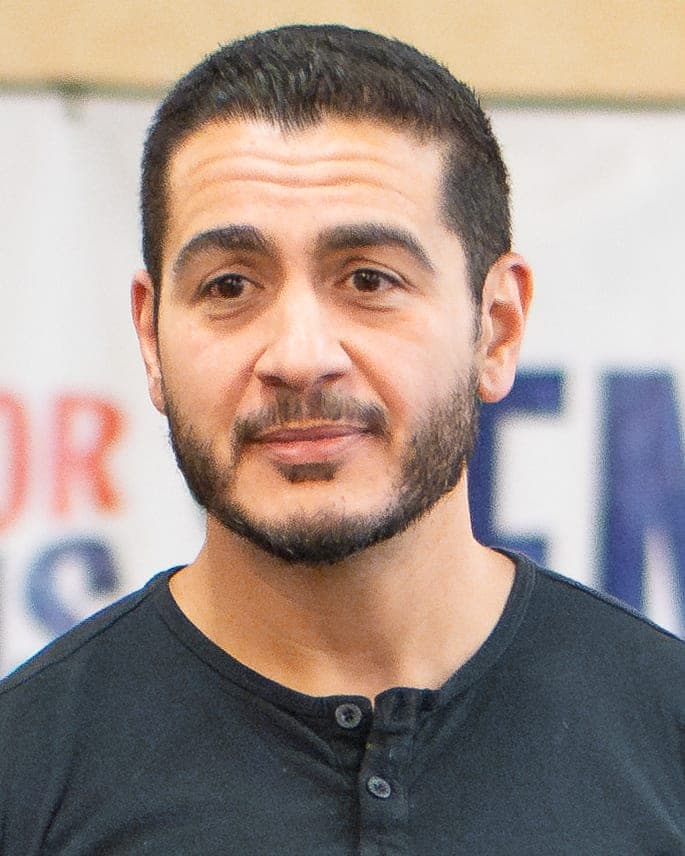
People in this story
SWIPE →Michigan Senate candidate criticized for campaign outreach to Jewish voters
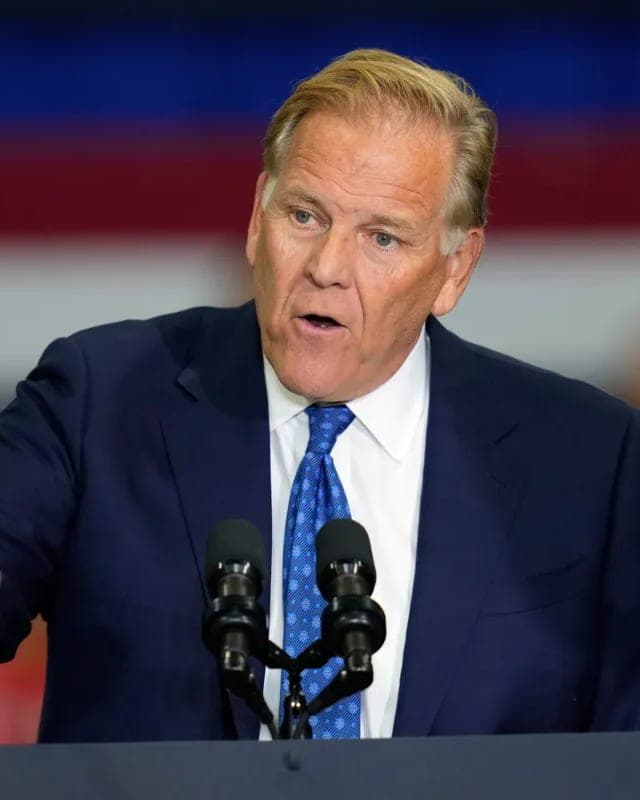
Michigan Senate candidate named in the name of an account criticizing El-Sayed
Discussion · 0
Loading comments…