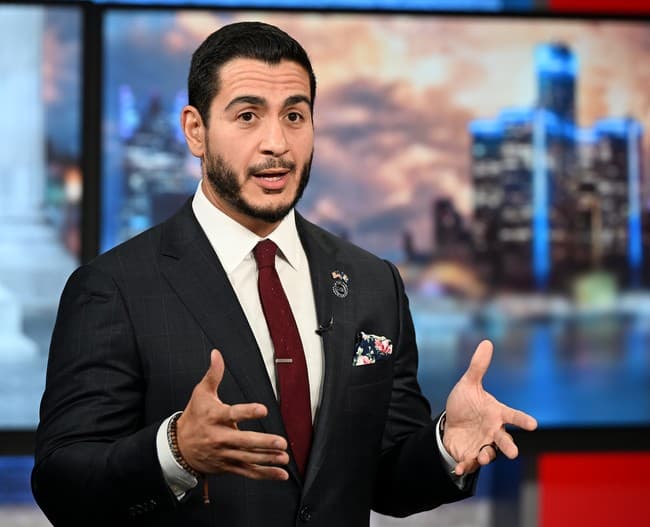
Abdul El-Sayed Is Now the Most Radical Candidate in America
The column criticizes El-Sayed’s past remarks, policy positions and campaign associations ahead of the general election.
SOURCE CHECK
TAP FOR WHYTownhall is an opinion-first publisher, and this named-author column presents a partisan argument rather than independently documented reporting. The author is identified, but the article offers little sourcing beyond campaign material and quoted statements.
- Source type — Opinion-first outlet; the page is a political opinion column.
- Editorial standards — The article advances a partisan argument and provides limited independent verification or opposing perspective.
- Author attribution — The column identifies Amy Curtis as its author.
The column cites quotations and describes several positions and associations, but relies heavily on assertions and partisan characterizations. It provides no response from El-Sayed, limited context for the cited material and little independent corroboration.
HOW WE SCORE ↗The article is a one-sided critique: it presents accusations and critical excerpts without El-Sayed’s response or context that might test the claims.
- Counterarguments presented — No defense or counterargument from El-Sayed is included.
- Loaded language — The column repeatedly uses charged characterizations, including “radical” and “extremism.”
- Source diversity — The article relies on the author’s framing and criticism from the NRSC, without independent or opposing sources.
The column uses strongly negative language about El-Sayed and adopts the NRSC’s criticism, with no comparable defense or alternative perspective.
- Language tone — Uses emphatic labels such as “most radical” and “extremism” to characterize El-Sayed.
- Source selection — Relies on the NRSC’s attack ad and chairman while presenting no opposing source.
- Framing — Frames the candidate’s past remarks, positions and associations as evidence against his fitness for office.
Abdul El-Sayed narrowly won Michigan’s Democratic Senate primary over Rep. Haley Stevens. The column argues that his past statements, policy positions and campaign associations make him too radical for the general election.
El-Sayed defeated Stevens by 1.8 points, despite polling that the article says had forecast a wider margin. The column cites El-Sayed’s past remarks and positions on the Muslim Brotherhood, taxes, Medicare for All and policing, as well as his campaign appearances with Hasan Piker, to argue that he is radical. These are the column’s characterizations and claims, not independently established findings in the article.
The article also quotes NRSC Chairman Tim Scott calling El-Sayed “the most radical Democrat Senate nominee ever” and saying Republicans would work to keep him out of the Senate.
Community verdict
VOTING CLOSED
No good or bad look here
This story reports what happened without casting El-Sayed in a good or bad light, so readers don’t rate it and it doesn’t count toward El-Sayed’s record.
People in this story
SWIPE →
El-Sayed’s opponent in the Michigan Democratic Senate primary
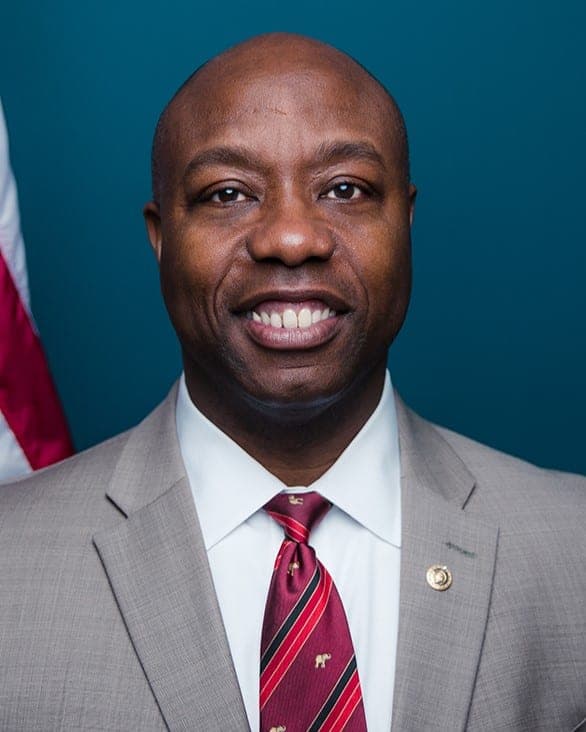
NRSC chairman criticizing El-Sayed
Part of a bigger story
40 OUTLETSOutlets agree that Abdul El-Sayed won Michigan’s Democratic Senate primary over Haley Stevens and will face Republican Mike Rogers in November. Left-leaning outlets present the result as a progressive victory and a test of the party’s direction and unity. Center outlets focus on the nomination’s significance and questions about party unity and El-Sayed’s November appeal. Right-leaning outlets emphasize criticism of El-Sayed’s positions and portray his nomination as a potential Republican opportunity.
- ARTICLES
- 45
- OUTLETS
- 40
- AVG CRED
- 66

Discussion · 0
Loading comments…