Far-left Democrat Abdul El-Sayed urges unity after Michigan victory
After winning the primary, El-Sayed called for unity and urged voters to focus on affordability, health care and corporate influence.
SOURCE CHECK
TAP FOR WHYThe Toronto Sun is an established newspaper with identifiable authorship, but this article relies on reporting attributed to AFP and The New York Post and provides limited original sourcing. Its institutional standing is credible, though not at the level of a major wire service or newspaper of record.
- Source type — Established newspaper, but an international-news item with a tabloid publishing profile.
- Editorial standards — A longstanding outlet, though this article offers limited transparency about its own reporting process.
- Author attribution — A named author is provided.
- Transparency — The article attributes some reporting to AFP and The New York Post, but does not provide links or fuller sourcing in the text.
The article gives election figures, attributes some information to AFP and The New York Post, and includes remarks from both candidates. It offers little independent documentation or response from Stevens, and its account of the candidates’ positions is brief.
HOW WE SCORE ↗The article includes the winner’s remarks and the opposing candidate’s assessment of the primary’s effects. It does not include Stevens’s perspective or much context for the candidates’ policy positions.
- Source diversity — Includes statements from El-Sayed and Rogers, alongside material attributed to AFP and The New York Post.
- Counterarguments presented — Rogers offers a competing perspective about the impact of the Democratic primary.
- Omitted context — Stevens’s perspective and fuller context for the policy claims are absent.
- Loaded language — The headline uses “far-left,” but most of the article is presented as reporting.
The headline’s description of El-Sayed as “far-left” and the emphasis on his most polarizing policy positions give the framing a slight rightward tilt. The article also includes his own remarks and Rogers’s comments without sustained evaluative language.
- Headline — Labels El-Sayed “far-left,” a politically charged characterization.
- Framing — Highlights several positions likely to be politically contentious.
- Source selection — Includes statements from both candidates, though the story is centered on El-Sayed.
- Language tone — Mostly reports claims and quotations rather than adding overt judgment.
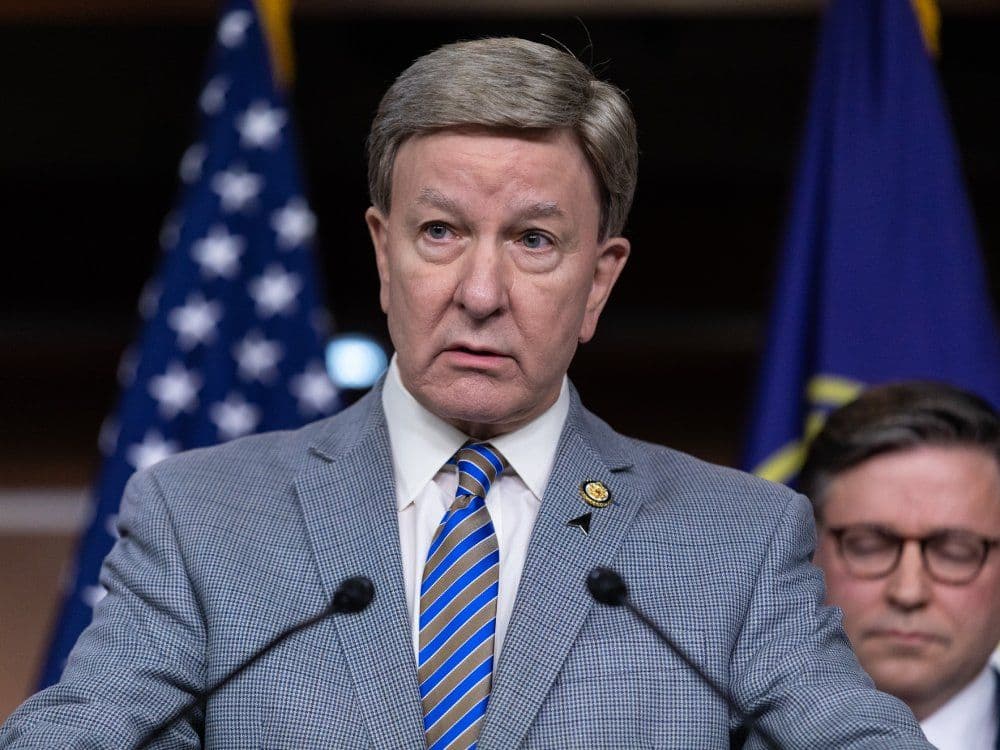
Abdul El-Sayed won Michigan’s Democratic Senate primary over Rep. Haley Stevens and called for party unity ahead of the November race. He will face Republican Mike Rogers, who predicted the primary would leave Democrats with a coalition problem.
El-Sayed led Stevens by fewer than 15,000 votes out of more than 1.5 million cast. The article says more than US$80 million was spent on the primary and describes El-Sayed’s positions as including Medicare for all, abolishing ICE, tax increases and ending U.S. aid to Israel. He will face Rogers in November for a seat Democrats view as important to their effort to regain the Senate.
After his win, El-Sayed urged voters to unite around affordability, health care and opposition to corporate influence. He challenged Rogers to five debates and accused him of loyalty to Trump and corporate donors. Rogers told The New York Post that the Democratic primary would create a coalition problem for his opponent.
Community verdict
19 VOTES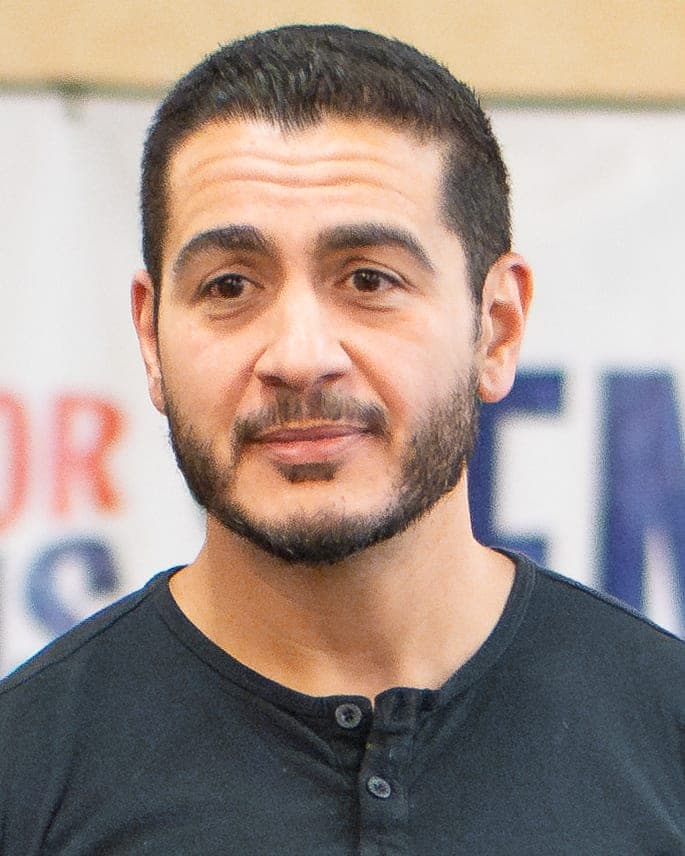
People in this story
SWIPE →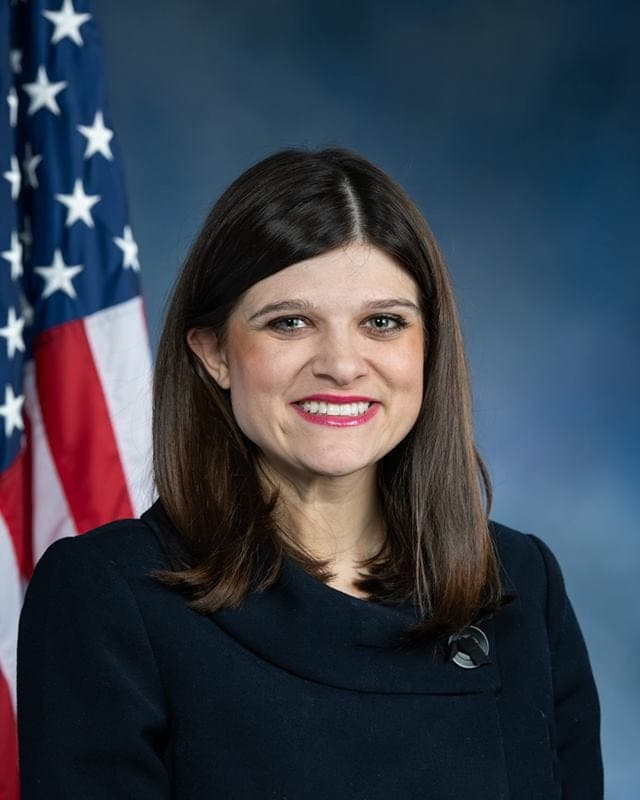
Representative and defeated candidate in the Michigan Democratic Senate primary

President referenced in connection with Michigan voters and Rogers
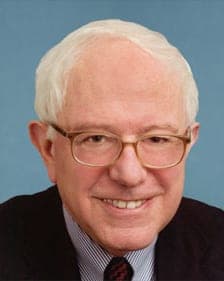
Senator and progressive leader described as supporting El-Sayed
Republican candidate for Michigan’s U.S. Senate seat
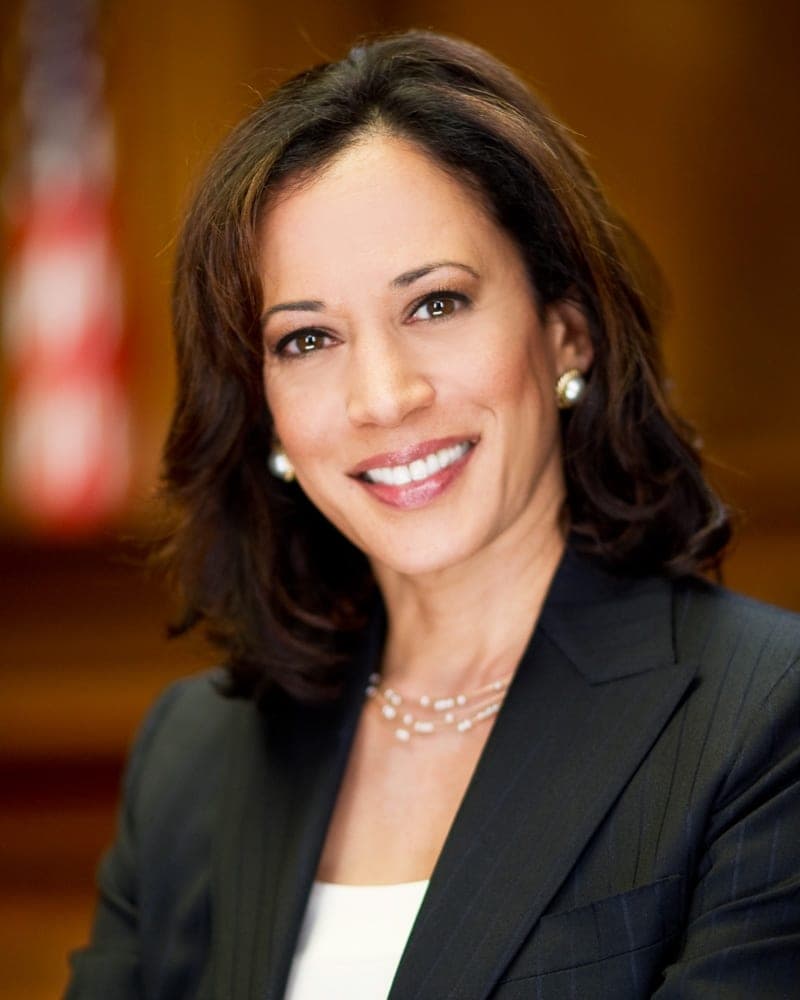
Former presidential candidate referenced as a choice some voters had backed
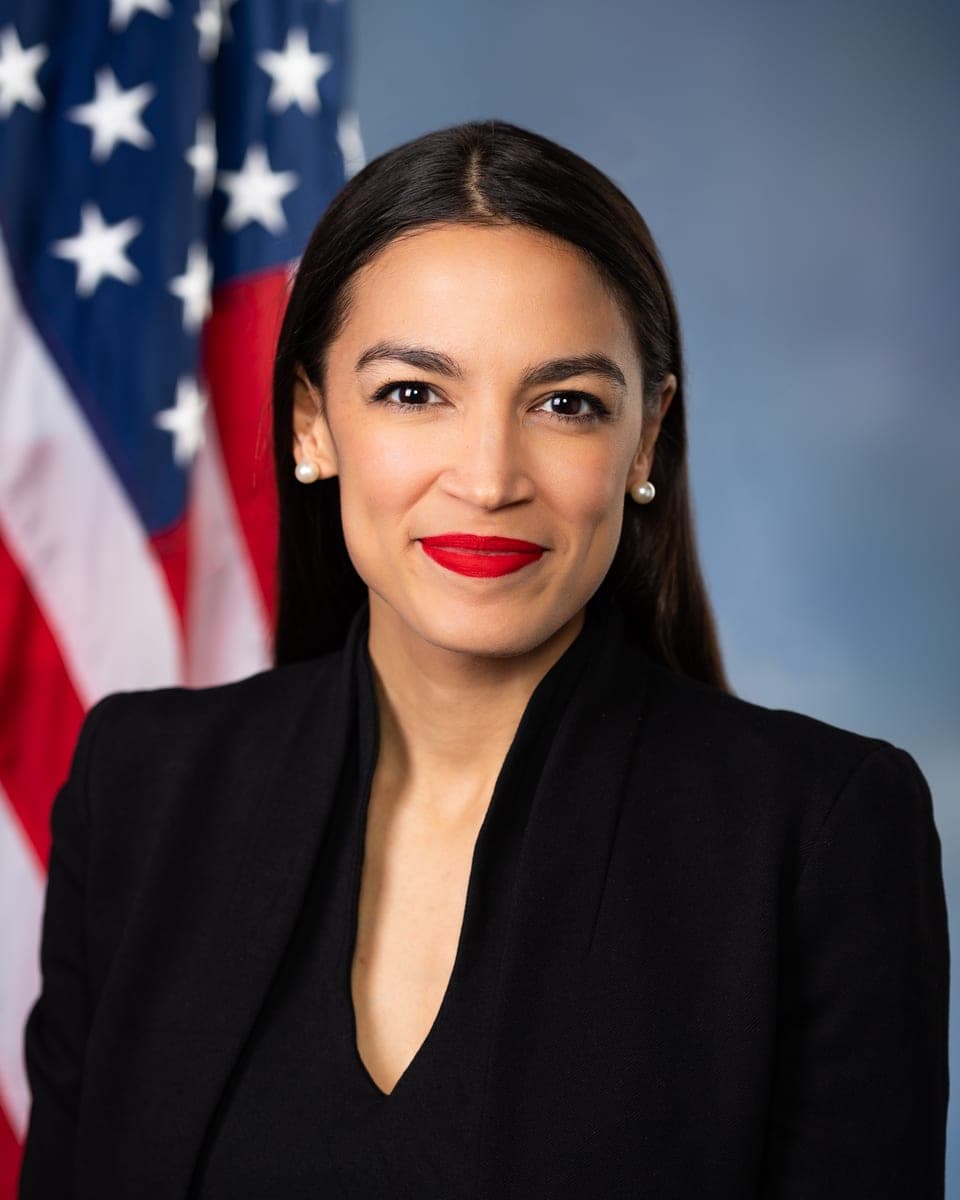
Representative and progressive leader described as supporting El-Sayed
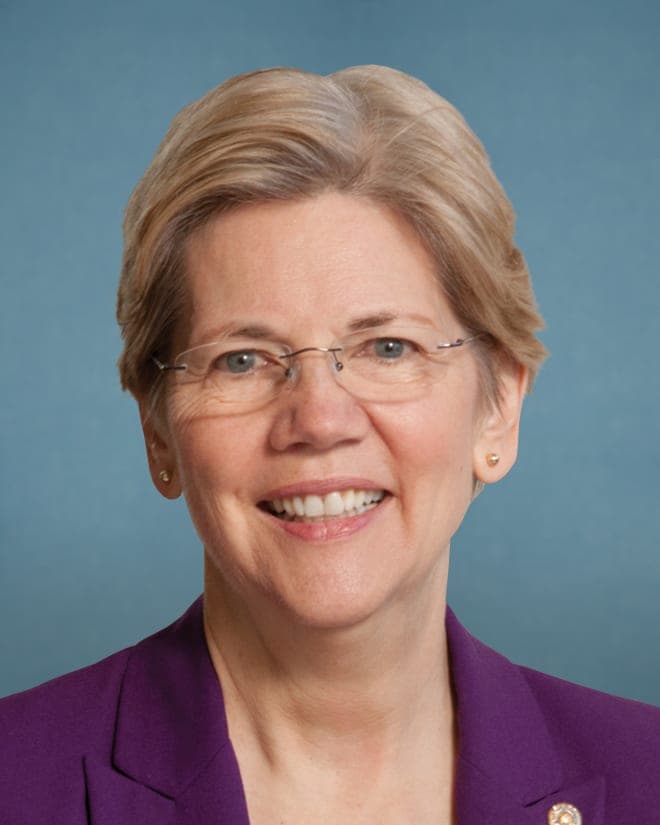
Senator and progressive leader described as supporting El-Sayed
Part of a bigger story
41 OUTLETSOutlets agree that Abdul El-Sayed won Michigan’s Democratic Senate primary over Haley Stevens and will face Republican Mike Rogers in November. Left-leaning outlets frame the result as a progressive win and a test of the Democratic Party’s direction, while later coverage highlights El-Sayed’s response to Trump. Center outlets focus on the nomination, party unity and the November matchup, including questions about El-Sayed’s appeal. Right-leaning outlets emphasize criticism of his positions and portray the nomination as an opening for Republicans.
- ARTICLES
- 45
- OUTLETS
- 41
- AVG CRED
- 65
Discussion · 0
Loading comments…