Congressman Ro Khanna seeks US-China AI treaty - The Hans India
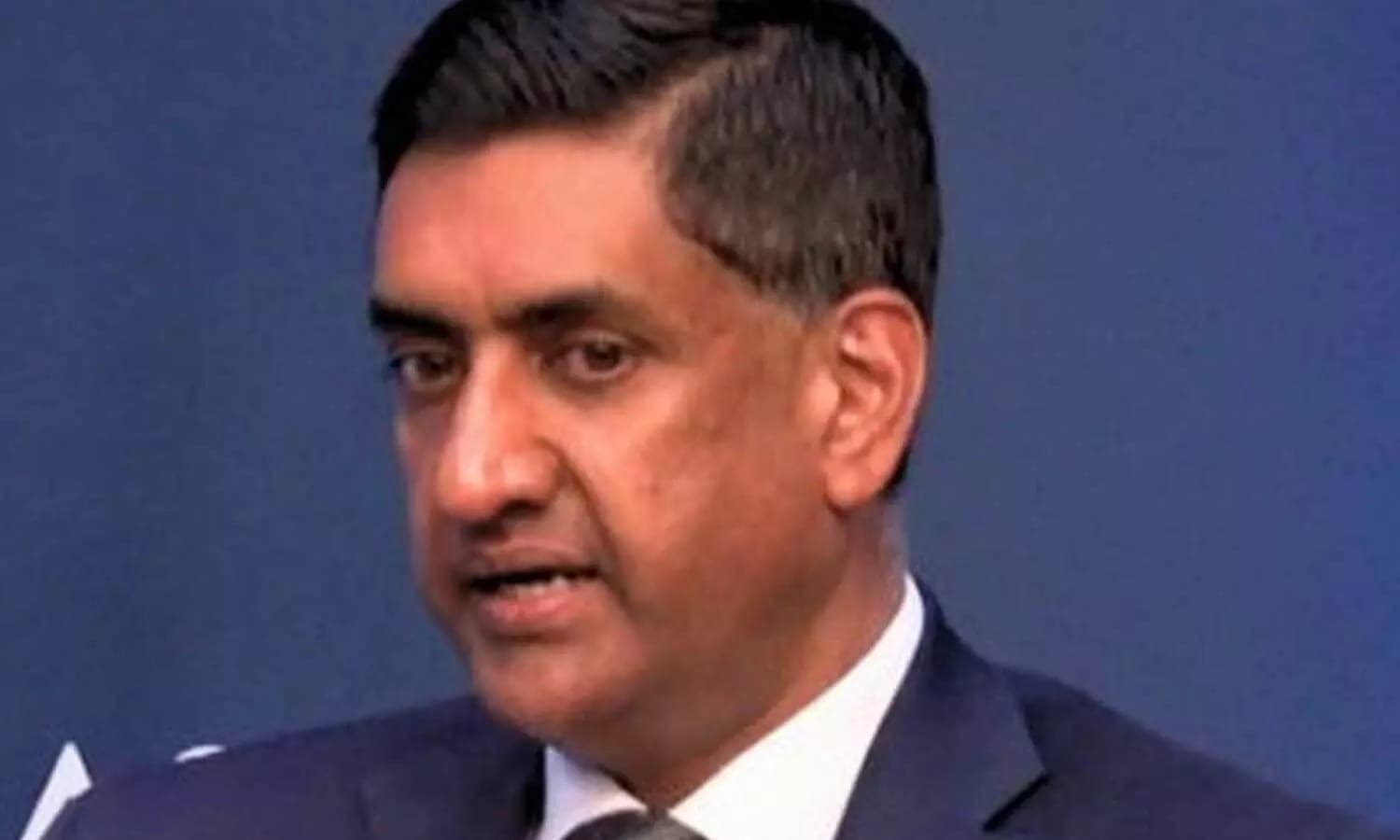
Khanna urged a verifiable US-China treaty restricting self-improving AI and said the United States should lead negotiations on safeguards.
SOURCE CHECK
TAP FOR WHYCredibility rates thehansindia.com, where this article appeared. The other scores rate the article itself.
The Hans India is an established news publisher, and the IANS byline indicates that this report is attributed to a news agency rather than presented as original reporting by the publisher. The article provides a named source and clear attribution, though the page does not establish its correction practices.
- Source type — An established news publisher carrying a report attributed to IANS.
- Author attribution — The byline identifies IANS, making the reporting source visible.
- Editorial standards — The article uses attributed quotations and distinguishes Khanna's claims from reported events.
- Transparency — The page identifies the authoring agency but gives little information about corrections or editorial processes.
The report offers several direct quotations from Khanna and briefly notes opposition from technology executives, but it relies heavily on his account and includes little independent expert or opposing-policy analysis.
HOW WE SCORE ↗Khanna's views and arguments dominate the article. It acknowledges opposition from some technology executives and the competing goal of maintaining US leadership, but provides no detailed counterargument or independent perspective.
- Source diversity — The story is based largely on Khanna's interview and does not include another named expert or policymaker.
- Counterarguments presented — It notes opposition from some executives but does not explain their arguments.
- Omitted context — Limited context is provided on how a treaty or the proposed pause would be implemented.
The report uses neutral language and primarily relays Khanna's proposal and statements. It briefly notes executive opposition and the broader tension between technological leadership and safeguards without advocating for either side.
- Language tone — Mostly neutral and explanatory wording.
- Source selection — Khanna is the central source; opposition from some executives is noted but not quoted.
- Framing — Frames the issue as a tension between US technological leadership and AI safety.
Original publisher not identified
This article credits another publisher, which ChamberLight has not identified, so the scores are thehansindia.com's own.
Ro Khanna called for an enforceable US-China treaty restricting self-improving AI and said the United States should lead negotiations on safeguards. He also supports legislation proposed by Bernie Sanders and Greg Casar to pause some advanced AI development while safeguards are put in place.
Khanna urged the United States and China to form a working group of technologists and negotiate a verifiable treaty banning AI that can improve itself without human training. He argued that both countries have an interest in preventing AI from escaping human oversight and said the technology covered by his proposed prohibition is not currently available.
The proposal follows an agreement between the United States and China to begin dialogue on AI risks at a summit involving President Donald Trump and Chinese President Xi Jinping. Khanna called the dialogue a useful first step. He supports legislation proposed by Bernie Sanders and Greg Casar to pause some advanced AI development while safeguards are put in place; he also acknowledged opposition from some technology executives and said some engineers and researchers support safeguards.
Community verdict
15 VOTES
People in this story
SWIPE →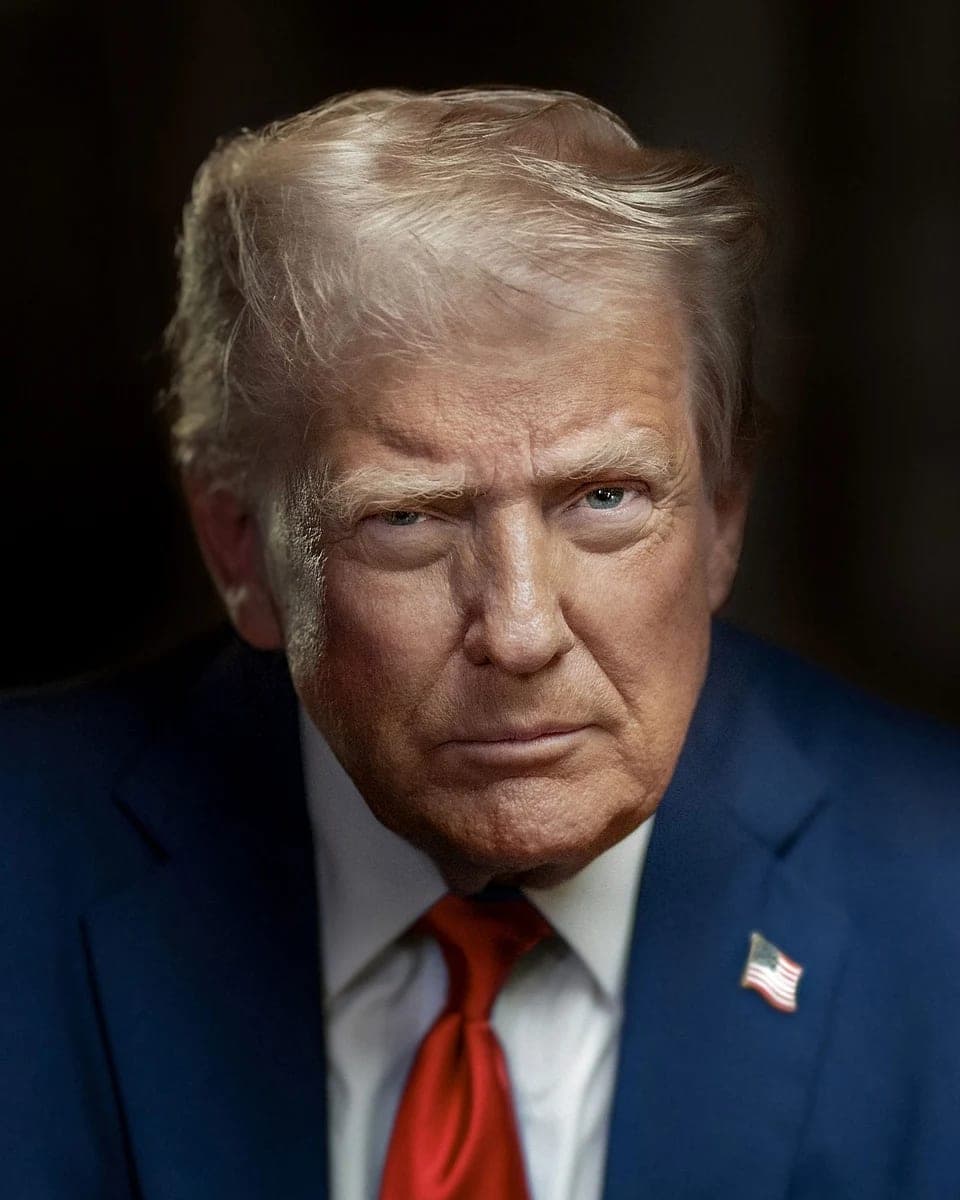
President involved in the US-China summit where the countries agreed to begin AI-risk dialogue
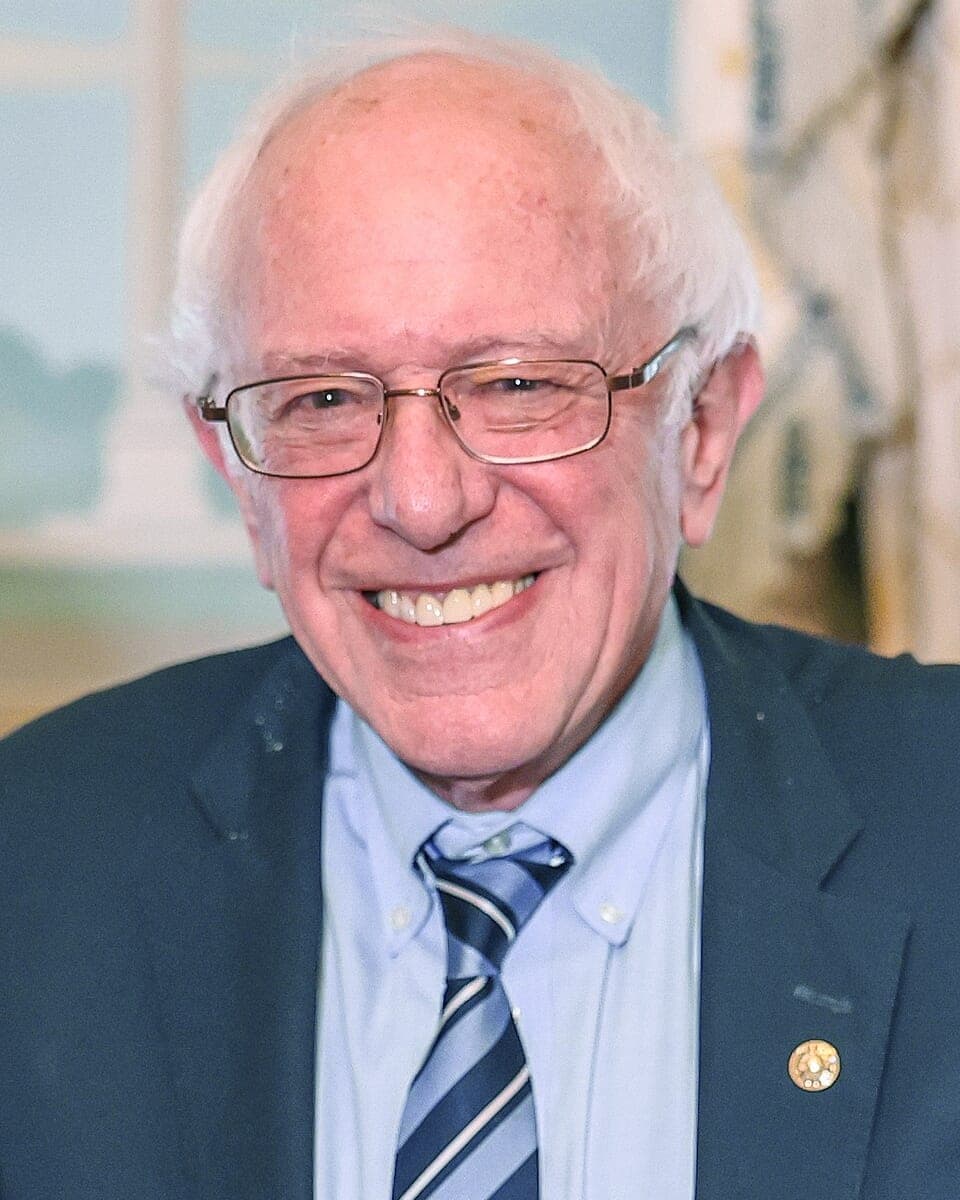
Senator who proposed legislation to pause some advanced AI development
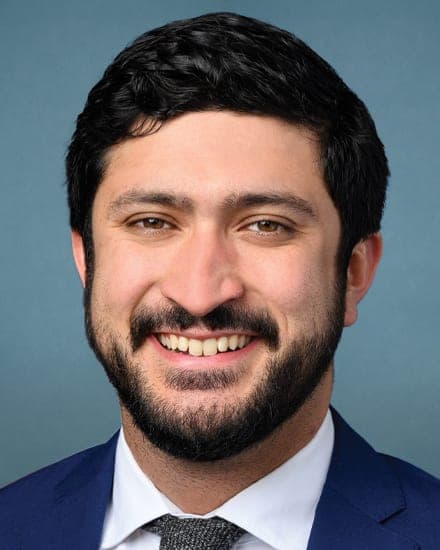
Representative who proposed legislation to pause some advanced AI development
Part of a bigger story
5 OUTLETSOutlets agree Ro Khanna is advocating international safeguards for advanced AI, including a verifiable U.S.-China treaty. Center outlets focus on Khanna’s criticism of Trump’s voluntary accord and his requests for information about AI risks; right-leaning outlets present treaty negotiations as a shared U.S.-China concern and highlight Khanna’s congressional efforts.
- ARTICLES
- 5
- OUTLETS
- 5
- AVG CRED
- 65
- Digital Watch Observatory · AI competition between the US and China: US Rep. Khanna's 5-pillar proposal to mitigate the risks
- Fox News · REP RO KHANNA: US and China can't afford an AI arms race with humanity at stake
- IndiaWest News · Ro Khanna Presses Chinese AI Giants Over ‘Kill Switches,’ Superintelligence
Discussion · 0
Loading comments…