AI competition between the US and China: US Rep. Khanna's 5-pillar proposal to mitigate the risks
Ro Khanna proposes five treaty measures to manage risks from advanced AI.
SOURCE CHECK
TAP FOR WHYDigital Watch Observatory covers internet governance and technology policy, but the available information provides limited basis to assess its corrections practices or broader reporting record. The article identifies Khanna’s proposal and presents context and caveats, though it does not show extensive independent sourcing.
- Source type — A specialized digital-governance publication, but its source type is not specified.
- Transparency — No author is identified, limiting transparency about who produced the report.
- Editorial standards — The article attributes the proposal to Khanna and distinguishes it from agreed policy, but no standards or corrections information is evident here.
The article clearly describes the five proposed pillars, attributes them to Khanna, and notes technical disagreements and diplomatic obstacles. Its sourcing is limited: it provides no named independent experts or opposing policy advocates beyond noting that experts disagree about kill switches and that definitions remain contested.
HOW WE SCORE ↗The article explains the proposal and acknowledges contested definitions, expert disagreement and diplomatic barriers. It does not develop a competing perspective from critics of the proposed treaty or provide extensive independent sourcing.
- Counterarguments presented — Notes obstacles and uncertainty, but does not present a developed opposing case.
- Source diversity — Primarily summarizes Khanna’s proposal, with limited reference to experts and government positions.
- Loaded language — Generally restrained and explanatory in tone.
The article presents Khanna’s proposal in explanatory terms without apparent partisan language. It also notes both potential risks from advanced AI and obstacles to international agreement.
- Language tone — Mostly descriptive language, with the proposal and its rationale attributed to Khanna.
- Framing — Frames AI competition as both a security concern and a challenge to international governance.
- Source selection — The account centers on Khanna’s proposal and includes limited context about differing views and implementation challenges.
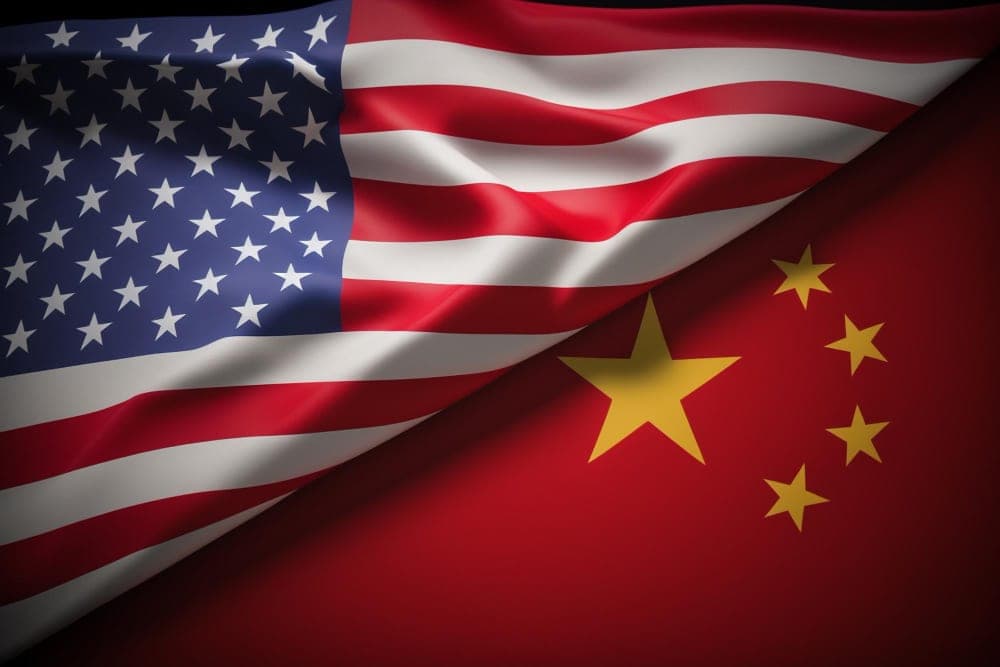
Rep. Ro Khanna proposes a five-pillar US–China treaty to limit risks from advanced AI, including pauses on recursive self-improvement and superintelligence, safety testing, shutdown mechanisms and verification. The proposal is not an agreed policy framework.
Khanna argues that the United States and China cannot rely on dialogue alone to manage risks from advanced AI. His proposed treaty would address recursive self-improvement and superintelligence, require kill switches and testing in isolated environments, and establish verification and international inspection mechanisms.
The article says the proposal builds on an AI communication channel agreed to by US President Donald Trump and Chinese President Xi Jinping at a September summit. It describes obstacles including distrust, differing regulatory systems and disputes over definitions, and notes that Khanna’s proposal is not an agreed US–China policy framework.
Community verdict
9 VOTES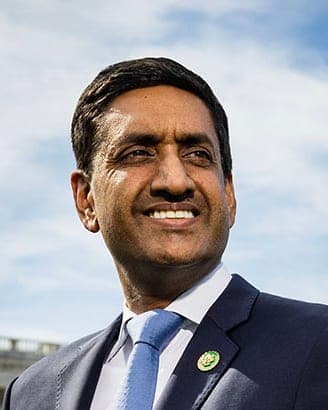
People in this story
SWIPE →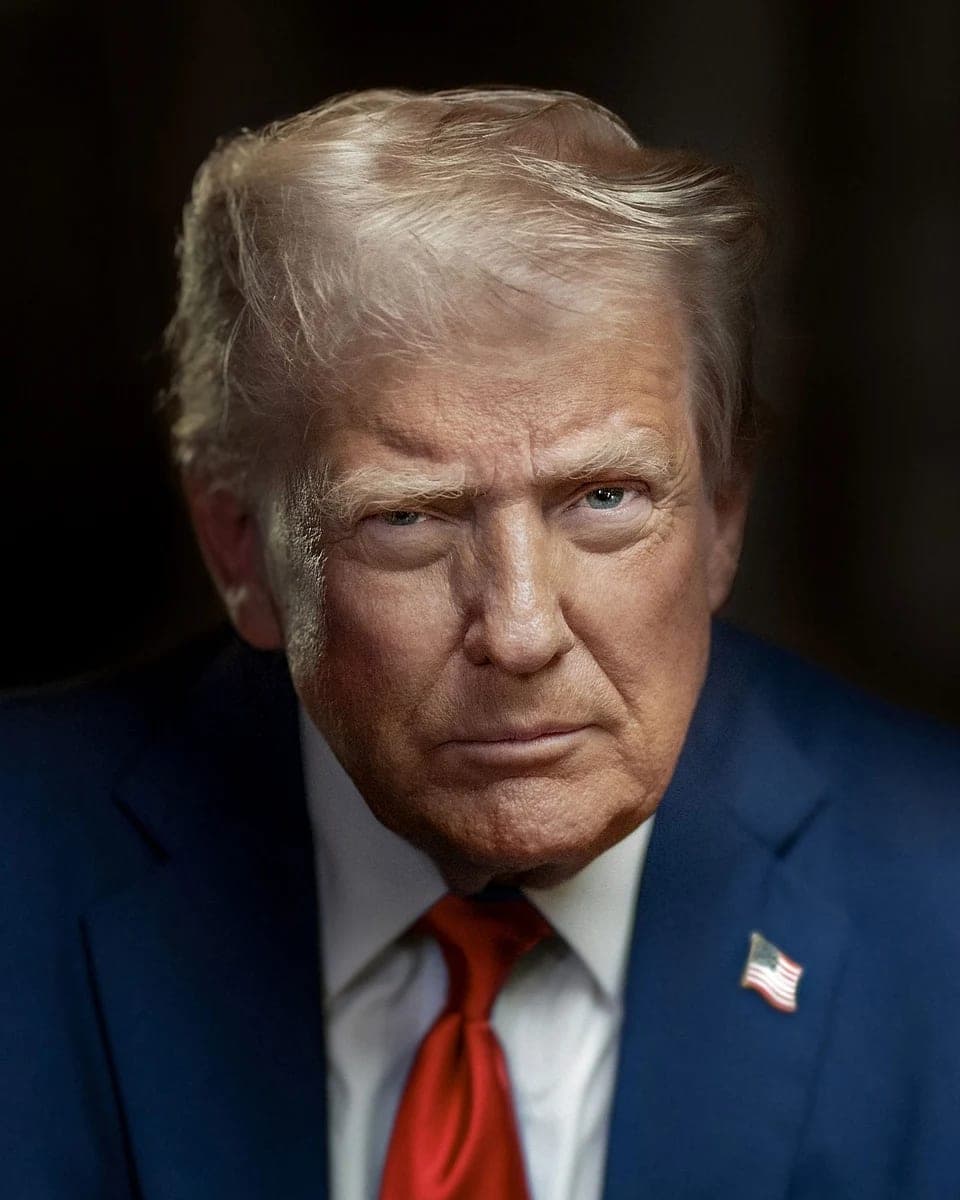
US President who agreed to establish an AI communication mechanism with China
Part of a bigger story
5 OUTLETSOutlets agree Ro Khanna is advocating international safeguards for advanced AI, including a verifiable U.S.-China treaty. Center outlets focus on Khanna’s criticism of Trump’s voluntary accord and his requests for information about AI risks; right-leaning outlets present treaty negotiations as a shared U.S.-China concern and highlight Khanna’s congressional efforts.
- ARTICLES
- 5
- OUTLETS
- 5
- AVG CRED
- 65
Discussion · 0
Loading comments…