Trump Doing 'Free PR' For AI Bosses, Says Ro Khanna: He Also Let Xi Jinping 'Walk Away' Without Tech Trea
Khanna criticized Trump’s AI accord, arguing it offered promises rather than binding legal commitments.
SOURCE CHECK
TAP FOR WHYBenzinga is a trade-press outlet with identifiable authorship and reporting on business and technology. The article attributes one account of the U.S.-China agreement to the BBC, though it offers limited sourcing and context.
- Source type — Trade-press publication covering business and technology.
- Author attribution — A named author is credited.
- Editorial standards — The short report attributes Khanna’s and Trump’s statements but provides limited independent detail.
- Transparency — The article identifies its source for the reported U.S.-China agreement as the BBC.
The article reports the central statements and describes key terms of the voluntary accord, with the U.S.-China developments attributed in part to the BBC. It provides little independent sourcing or detail about the agreement’s implementation.
HOW WE SCORE ↗The story includes Khanna’s criticism, Trump’s description of the accord, and some details about the agreement. It does not include a response to Khanna’s criticism or much independent examination of the agreement.
- Counterarguments presented — Trump’s description of the accord is included, but he is not quoted responding to Khanna’s criticism.
- Omitted context — The article gives limited context on how the voluntary commitments will be implemented.
- Source diversity — The report includes statements from two political figures and attributes a report about the U.S.-China agreement to the BBC.
The headline foregrounds Khanna’s criticism, but the article mostly reports the competing statements and describes the accord without adopting an overt partisan position.
- Language tone — The body primarily uses attributed quotations and descriptive language.
- Headline — Emphasizes Khanna’s critical characterization of Trump’s role.
- Source selection — Includes statements from Khanna and Trump and reports the agreement’s terms.
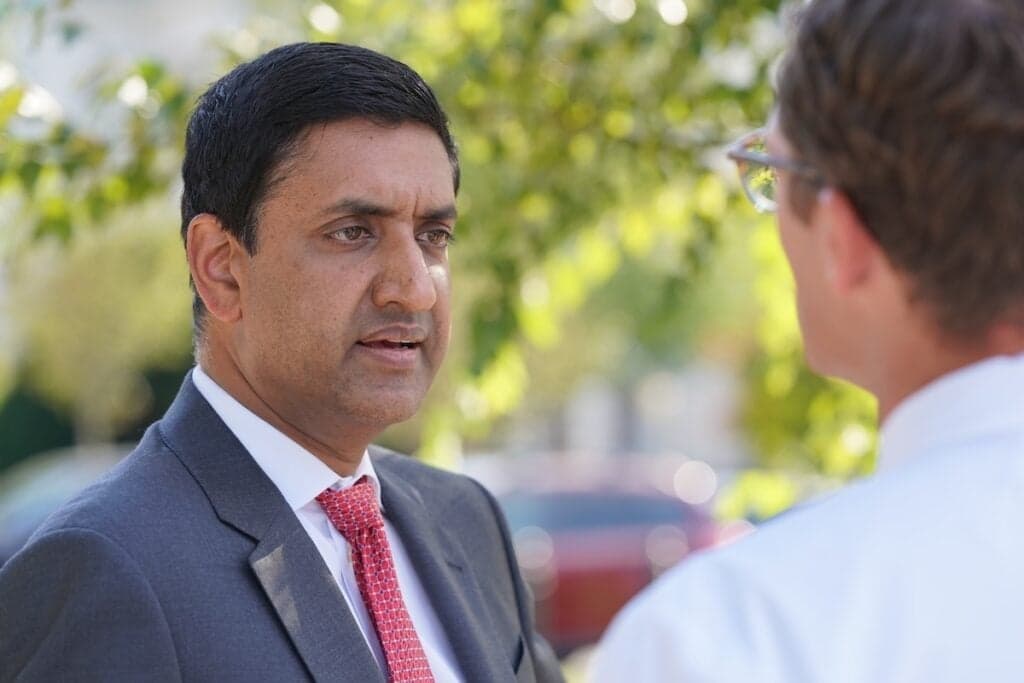
Ro Khanna criticized President Donald Trump’s voluntary AI accord with technology companies, saying Trump gave AI executives “free PR” after failing to secure a binding technology treaty with China. The agreement includes company safeguards and a U.S.-China dialogue on AI.
After Trump unveiled the White House Accord on Super Intelligence, Khanna wrote on X that the country needs laws rather than “pinky promises” and accused Trump of giving AI CEOs “free PR.” Trump described the accord as “morally binding.” It calls for companies to establish internal safeguards and have outside reviews of their AI systems.
The United States and China agreed to hold a dialogue about AI risks and benefits and establish a communication channel for AI-related incidents. The article says they did not agree to jointly develop or regulate frontier AI models.
Community verdict
10 VOTES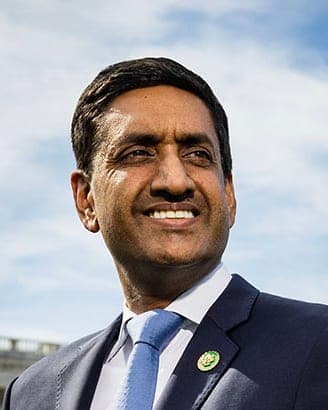
People in this story
SWIPE →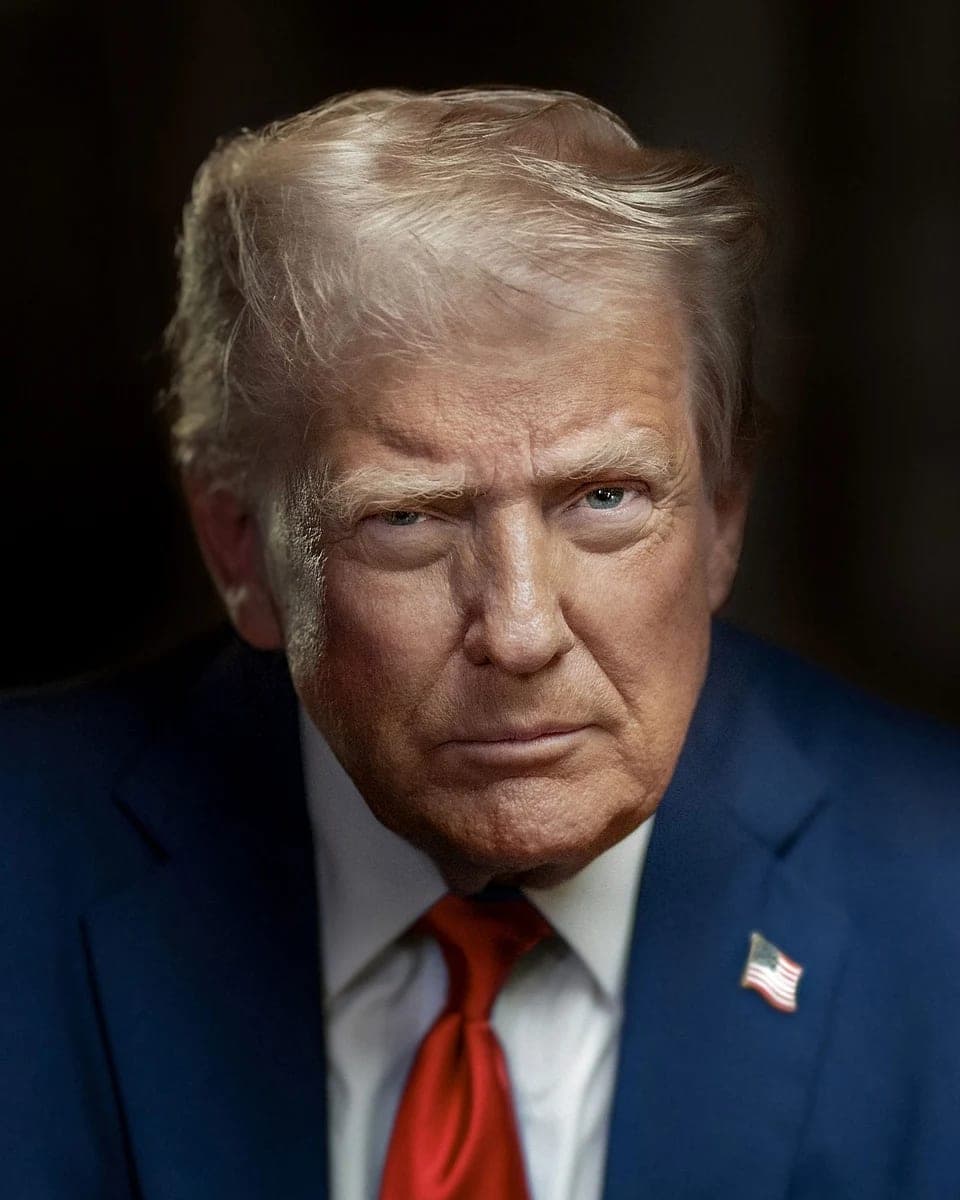
President who unveiled the AI accord and participated in the U.S.-China AI agreement
Trump's version of this story ↗Part of a bigger story
5 OUTLETSOutlets agree Ro Khanna is advocating international safeguards for advanced AI, including a verifiable U.S.-China treaty. Center outlets focus on Khanna’s criticism of Trump’s voluntary accord and his requests for information about AI risks; right-leaning outlets present treaty negotiations as a shared U.S.-China concern and highlight Khanna’s congressional efforts.
- ARTICLES
- 5
- OUTLETS
- 5
- AVG CRED
- 65
- Digital Watch Observatory · AI competition between the US and China: US Rep. Khanna's 5-pillar proposal to mitigate the risks
- Fox News · REP RO KHANNA: US and China can't afford an AI arms race with humanity at stake
- IndiaWest News · Ro Khanna Presses Chinese AI Giants Over ‘Kill Switches,’ Superintelligence
Discussion · 0
Loading comments…