House panel moves to strip D.C.'s traffic camera authority
Perry argues the camera system generates excessive fines without improving traffic safety.
SOURCE CHECK
TAP FOR WHYThe Washington Informer is an established local news outlet, and the article identifies its author and attributes claims to named officials and advocates. The article offers relevant opposing views, though the text provides limited independent verification or broader context.
- Source type — Established local news outlet reporting on District and congressional affairs.
- Author attribution — A named reporter is credited.
- Source diversity — The article quotes the bill’s sponsor, the District delegate, and local advocates.
- Editorial standards — The article attributes claims and data, but gives limited detail about independent verification.
The report includes named sources on opposing sides, a committee vote tally, and attributed figures from the District’s chief financial officer and police department. It offers limited independent analysis of the safety claims, the revenue figures, or the bill’s effects.
HOW WE SCORE ↗The story presents the sponsor’s rationale and traffic data alongside opposition from Norton and local advocates. Its opening foregrounds criticism of the bill, and it does not independently resolve the competing claims about safety, revenue, and local authority.
- Counterarguments presented — Both support for the bill and objections to it appear, with attributed explanations.
- Source diversity — Sources include the bill’s sponsor, the District delegate, and advocacy organizations.
- Omitted context — The article offers little independent evaluation of the cited data or the bill’s likely effects.
- Loaded language — Strong characterizations appear in attributed quotes rather than as the article’s own claims.
The report includes arguments from Perry and opponents of the bill, but its opening and the space devoted to criticism foreground objections about congressional interference in District affairs.
- Source selection — It includes the sponsor’s argument alongside the delegate’s and advocates’ objections.
- Language tone — The article quotes strong critical language from Norton and advocates, while attributing those judgments to them.
- Framing — The opening emphasizes the rebuke and the claim of federal overreach.
- Omission — The text gives limited independent assessment of the competing safety and local-control arguments.
A House committee approved a bill that would end D.C.’s authority to use automated traffic cameras and roll back some traffic rules. The measure now goes to the full House, amid objections from Del. Eleanor Holmes Norton and local advocates.
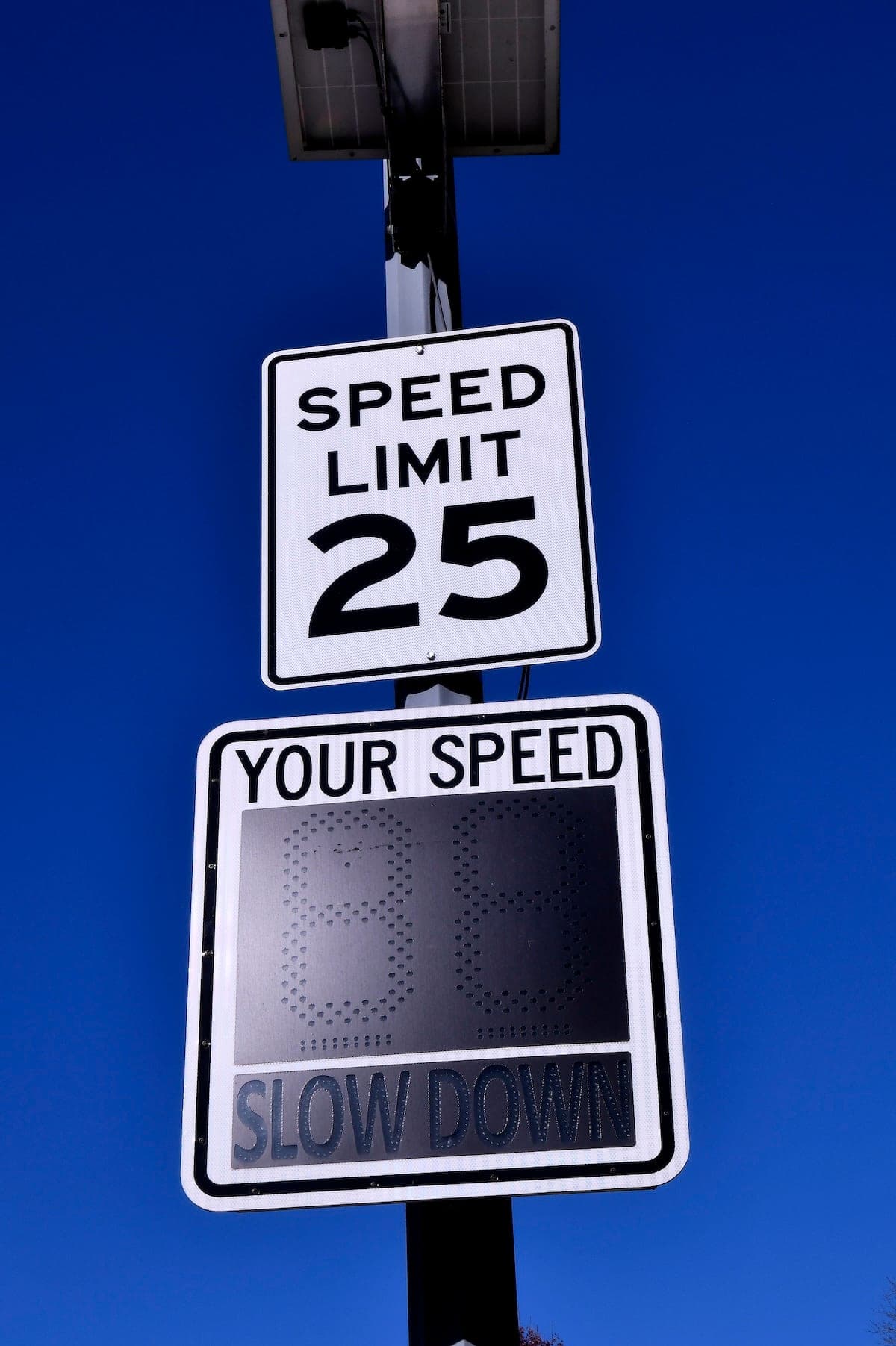
The House Committee on Oversight and Government Reform approved H.R. 5525, the Stop DC CAMERA Act, by a 21-19 party-line vote. The bill would eliminate D.C.’s authority to operate automated traffic enforcement systems and roll back rules including restrictions on right turns on red in parts of the city; it now heads to the full House.
Rep. Scott Perry argued that the camera system has become a source of fines rather than a safety tool, citing the number of cameras, fine revenue and traffic-fatality figures. Norton called the bill an undemocratic intervention in District affairs. ACLU-D.C. Executive Director Monica Hopkins also objected, citing local decision-making and potential losses to the city budget.
Community verdict
22 VOTES
People in this story
SWIPE →
Discussion · 0
Loading comments…