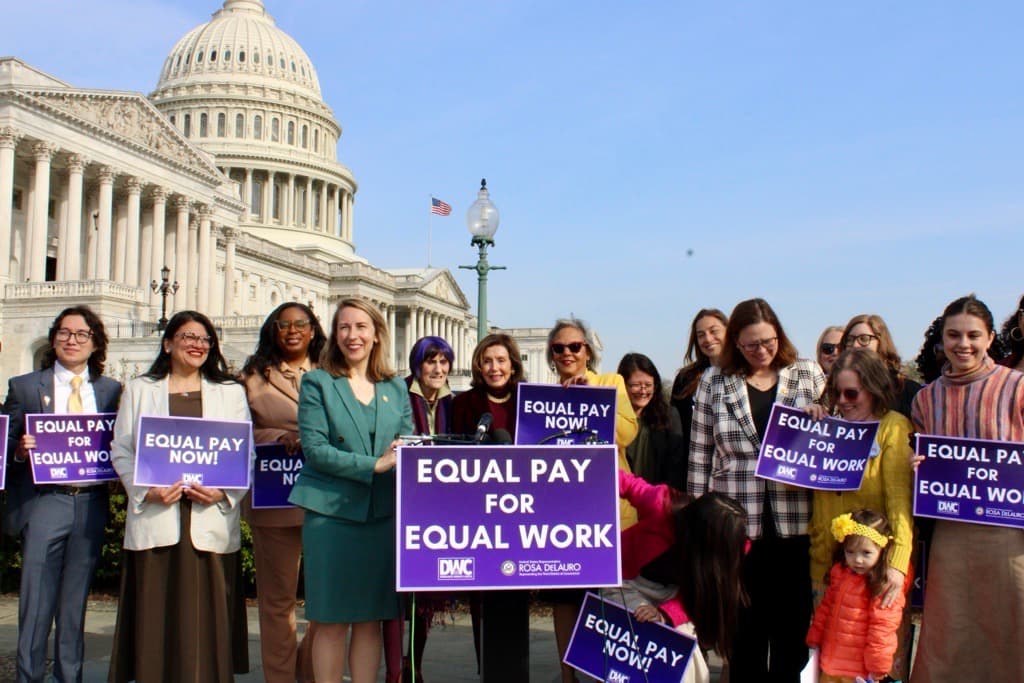
Equal Pay Day highlights widening wage gap for women
DeLauro promotes her Paycheck Fairness Act as part of Equal Pay Day advocacy.
SOURCE CHECK
TAP FOR WHYThe Washington Informer is a locally focused news outlet, and the story identifies its author and attributes its central statistics to a named organization. The article offers limited information about its reporting process or the outlet’s corrections practices.
- Source type — A local news publisher with regional reporting and community coverage.
- Author attribution — The article names its author.
- Source selection — The wage statistics are attributed to a National Women’s Law Center fact sheet.
- Editorial standards — The article provides little visible detail about editorial standards or corrections practices.
The article includes specific figures attributed to a named fact sheet and quotes lawmakers about their advocacy. It provides substantial descriptive data but little methodological detail or perspective from employers, researchers outside the cited organization, or other critics.
HOW WE SCORE ↗The article provides detailed wage-gap data and attributes advocacy statements, but it relies on one fact sheet and lawmakers who support pay-equity measures. It does not include alternative interpretations of the figures or opposing perspectives.
- Source diversity — The central data and policy framing come from the National Women’s Law Center and Democratic lawmakers.
- Counterarguments presented — No counterarguments or employer perspectives are included.
- Opinion vs reporting — The article reports attributed statements and data rather than presenting an explicit editorial argument.
- Omitted context — The story does not explain the fact sheet’s methodology or discuss other explanations for the wage differences.
The article is mostly a straight report on wage-gap figures, but its selection of advocacy sources and inclusion of a critical statement about anti-DEI efforts give it a slight left-leaning emphasis.
- Source selection — The article relies on a women’s advocacy organization and Democratic lawmakers, without employer or opposing policy perspectives.
- Language tone — The article generally uses factual language and attributes evaluative claims to their speakers.
- Framing — The story emphasizes unequal pay and its consequences for women and families.
A National Women’s Law Center fact sheet says women working full time, year-round earned 81 cents for every dollar paid to men in 2024, with larger gaps for Black women and Latinas. The article also covers Equal Pay Day advocacy by Reps. Rosa DeLauro, Robin Kelly and Jennifer McClellan.
A National Women’s Law Center fact sheet reports that women working full time, year-round were typically paid 81 cents for every dollar paid to men in 2024, or a median of $13,570 less annually. Including part-time and part-year workers, women were paid 76 cents per dollar. The article also reports larger gaps for Black women and Latinas and describes wage disparities in the Washington, D.C., Maryland and Virginia area.
The article describes Equal Pay Day advocacy by Reps. Rosa DeLauro and Robin Kelly, and quotes Rep. Jennifer McClellan’s post calling for equal pay. DeLauro said she would continue fighting for passage of her Paycheck Fairness Act; the article says she and Sen. Patty Murray introduced the measure the previous year to strengthen the Equal Pay Act of 1963.
Community verdict
23 VOTES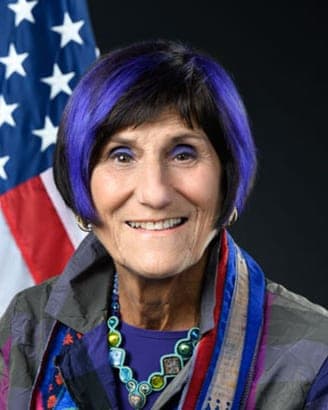
People in this story
SWIPE →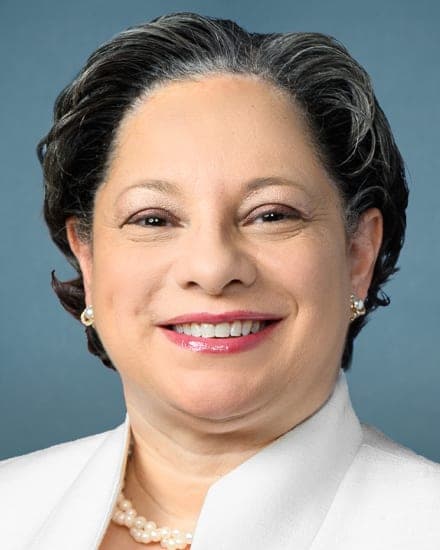
Representative who called for equal pay in a social media post
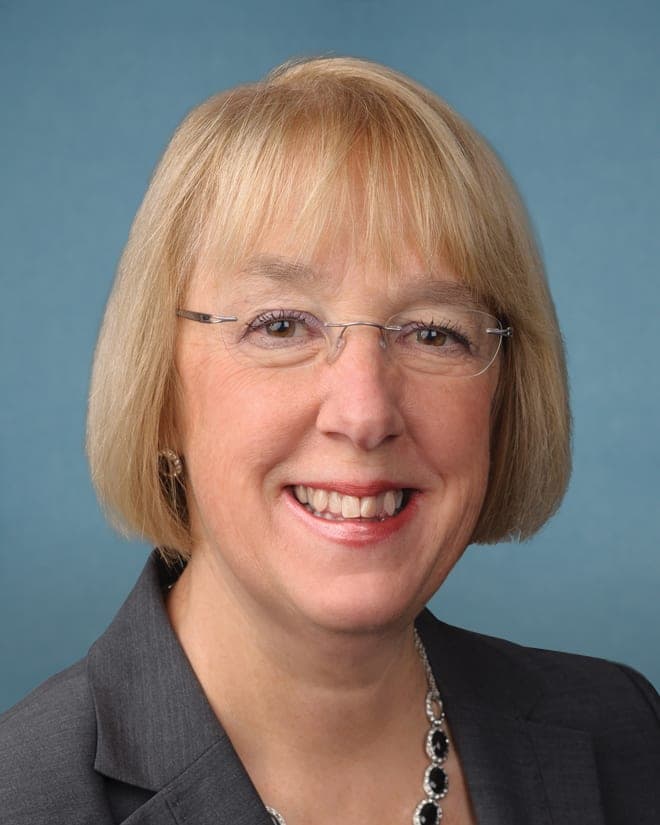
Senator who co-introduced the Paycheck Fairness Act with DeLauro
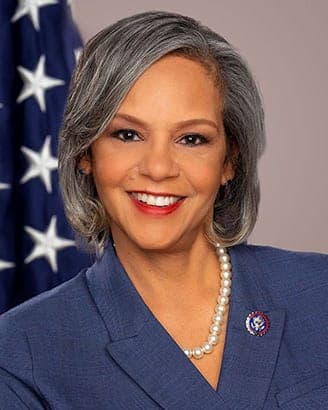
Representative who joined the Equal Pay Day protest and advocated for pay equity
Discussion · 0
Loading comments…