Fact check: Haley Stevens, Abdul El-Sayed clash over AIPAC, electability
El-Sayed challenged Stevens over campaign spending and her Israel-aid vote while presenting his policy agenda.
SOURCE CHECK
TAP FOR WHYCredibility rates Theoaklandpress, where this article appeared. The other scores rate the article itself.
The reporting is credited to Bridge Michigan, a nonprofit, nonpartisan newsroom, and the article identifies its author and supporting records. The Oakland Press page explicitly credits Bridge Michigan as the original publisher.
- Source type — The reporting is from a nonprofit, nonpartisan Michigan news organization.
- Author attribution — The page names Bridge Michigan and reporter Lauren Gibbons.
- Transparency — The article identifies data providers, polls, disclosures and other reporting behind key claims.
The article tests debate claims against spending figures, campaign disclosures, polls and financial filings, and includes statements from both candidates. Some claims—particularly about campaign influence and electability—are difficult to verify conclusively, and the article offers limited response from the outside groups discussed.
HOW WE SCORE ↗The article examines claims made by both candidates and includes outside data and records relevant to each. Its fact checks are detailed, though some allegations about influence and electability are not resolved by direct responses from all parties involved.
- Source diversity — Draws on campaign disclosures, ad-spending data, polls and candidate statements.
- Counterarguments presented — Includes responses and positions from both Stevens and El-Sayed.
- Omitted context — Does not include direct responses from every outside group or fully establish whether spending affected candidates’ decisions.
The article uses a fact-check format and scrutinizes claims by both candidates with campaign records, polling and financial disclosures. Its language and presentation do not show a discernible partisan lean.
- Language tone — Mostly neutral reporting language, with candidate quotations clearly attributed.
- Source selection — Uses records and data alongside claims from both candidates.
- Framing — Checks claims from both candidates rather than presenting one as the sole focus of scrutiny.
Original publisher not identified
This article credits another publisher, which ChamberLight has not identified, so the scores are Theoaklandpress's own.
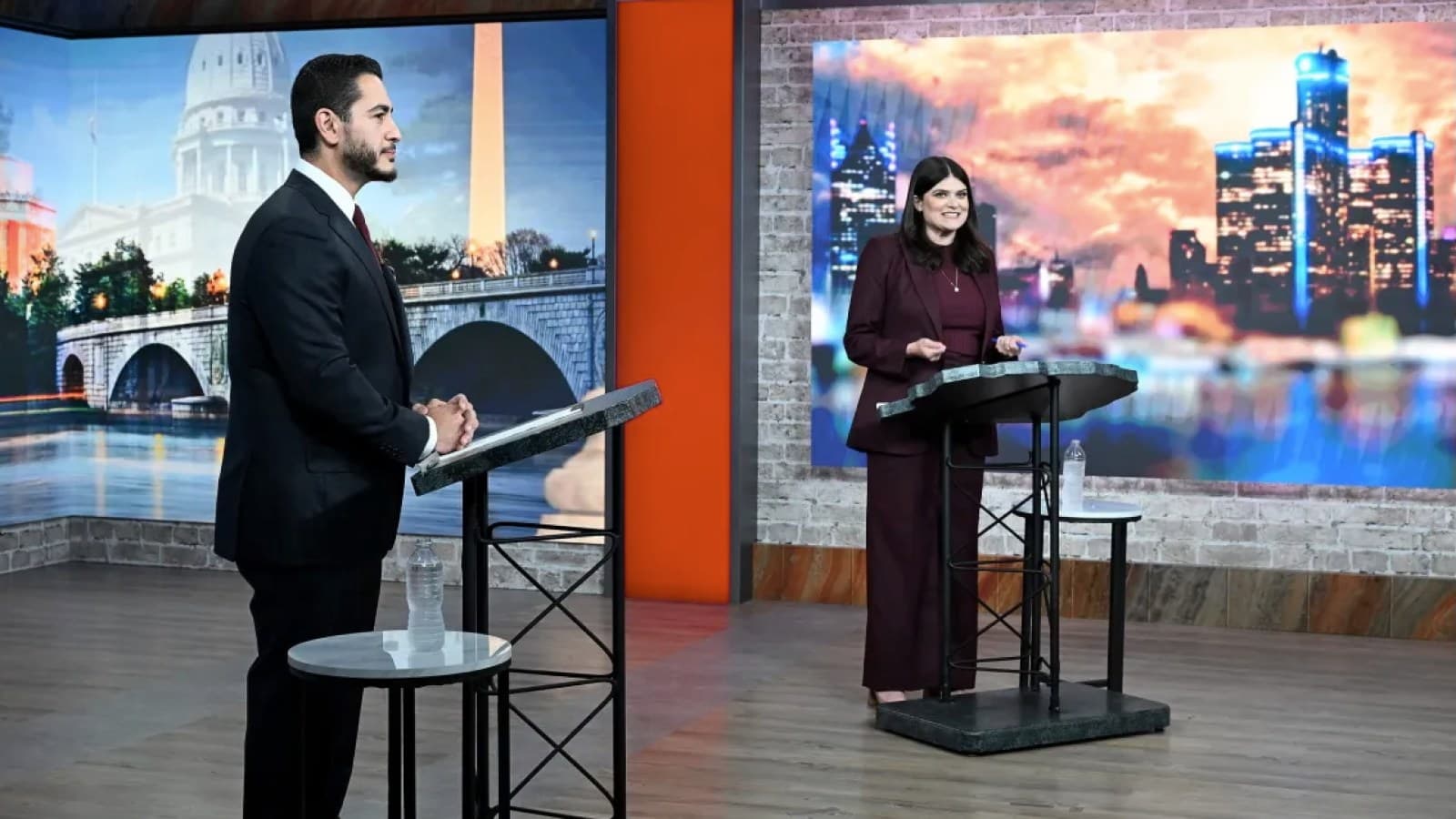
Haley Stevens and Abdul El-Sayed clashed in their final debate before Michigan’s Democratic Senate primary over outside spending, electability, corporate donations and personal wealth. The article checks their claims against campaign-finance records, polls and financial disclosures.
In their final debate before the primary, Stevens and El-Sayed argued over AIPAC-linked spending and Stevens’ vote on an amendment to block $3.3 billion in U.S. aid to Israel. The article reports that the United Democracy Project had spent nearly $25 million supporting Stevens or criticizing El-Sayed, with more spending reserved, and that an El-Sayed-aligned super PAC had spent about $2 million. Stevens said she supports a two-state solution; El-Sayed argued that outside spending and Stevens’ vote raised questions about influence.
The article also examines the candidates’ claims about electability, DTE donations and wealth. It reports that polls gave mixed results in hypothetical matchups with Republican Mike Rogers, that DTE’s PAC had contributed to Stevens’ past campaigns and Senate campaign, and that El-Sayed filed his financial disclosure on the day of the debate. A Center for Effective Lawmaking ranking placed Stevens first among Michigan Democrats in the U.S. House for effectiveness in 2025, while noting the limits of its methodology.
Community verdict
10 VOTES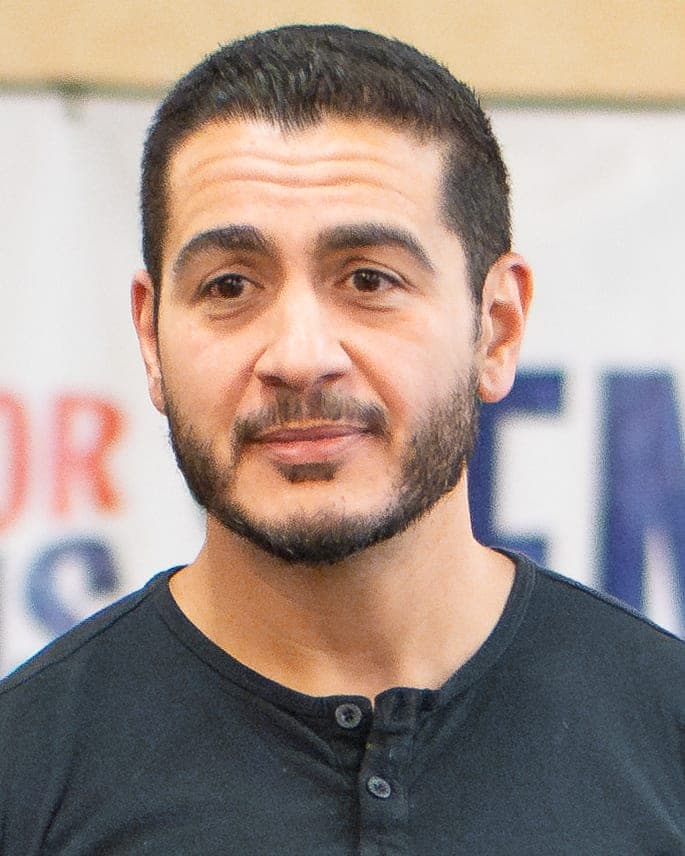
People in this story
SWIPE →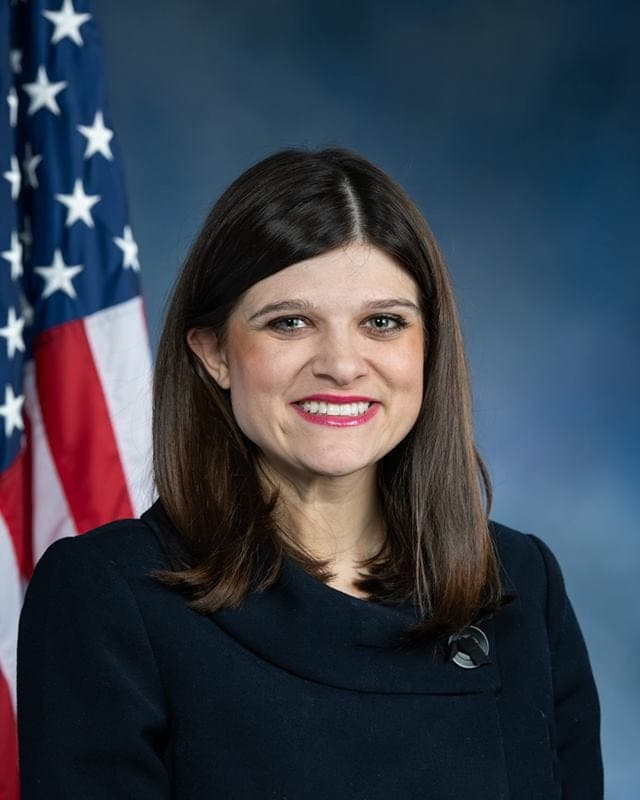
Democratic Senate candidate and U.S. representative
Stevens's version of this story ↗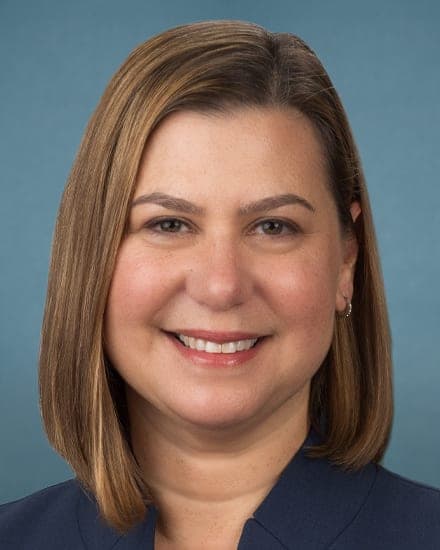
U.S. senator from Michigan
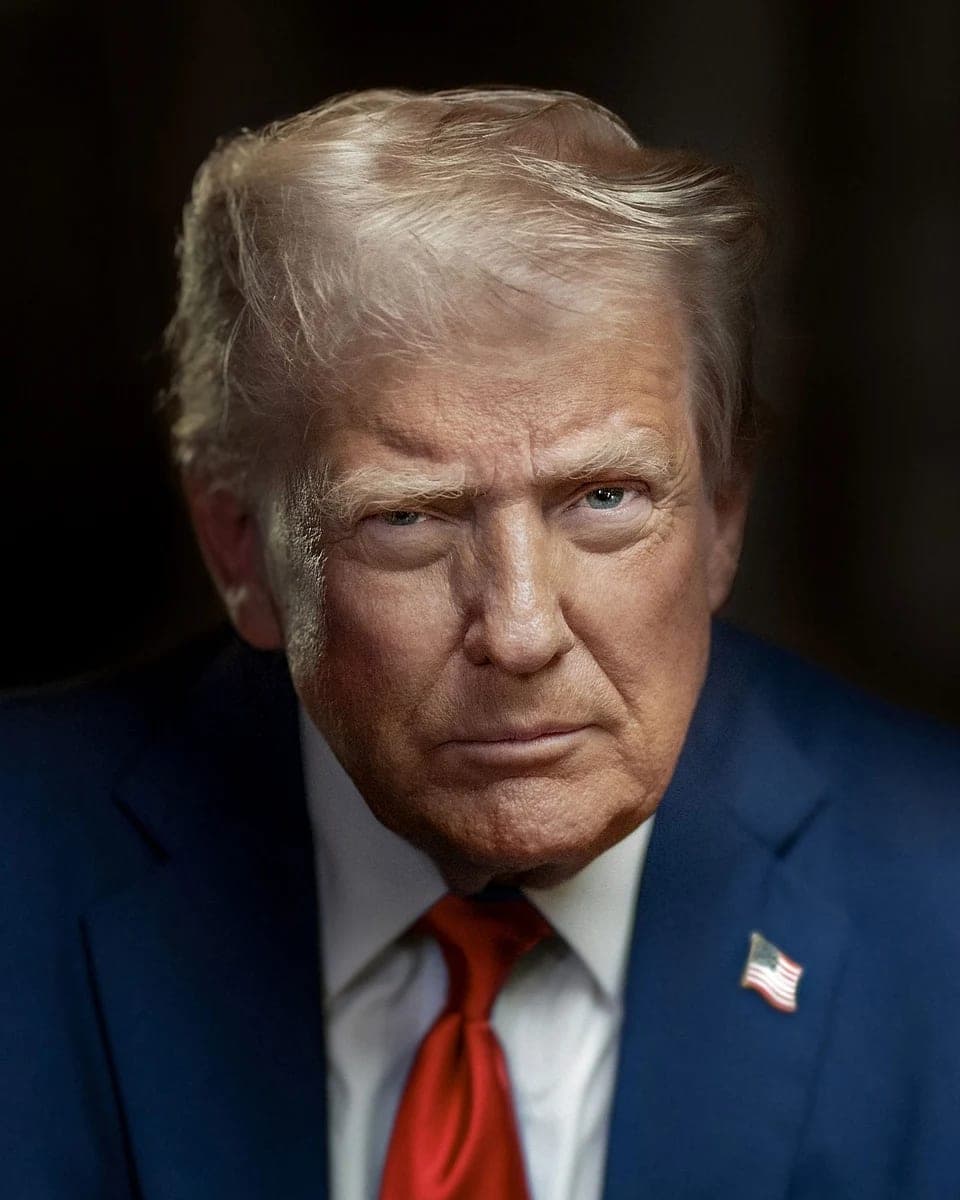
President of the United States
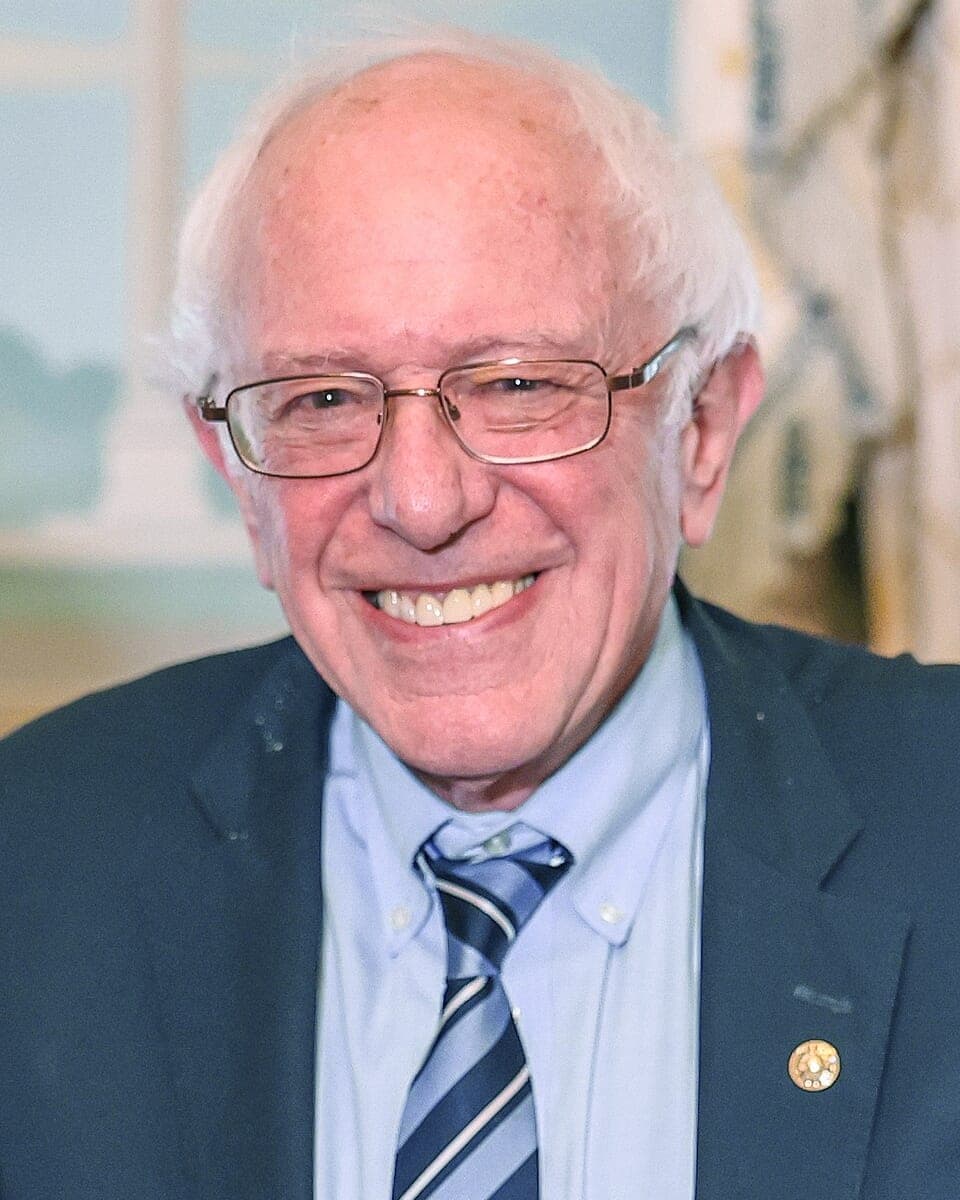
U.S. senator from Vermont
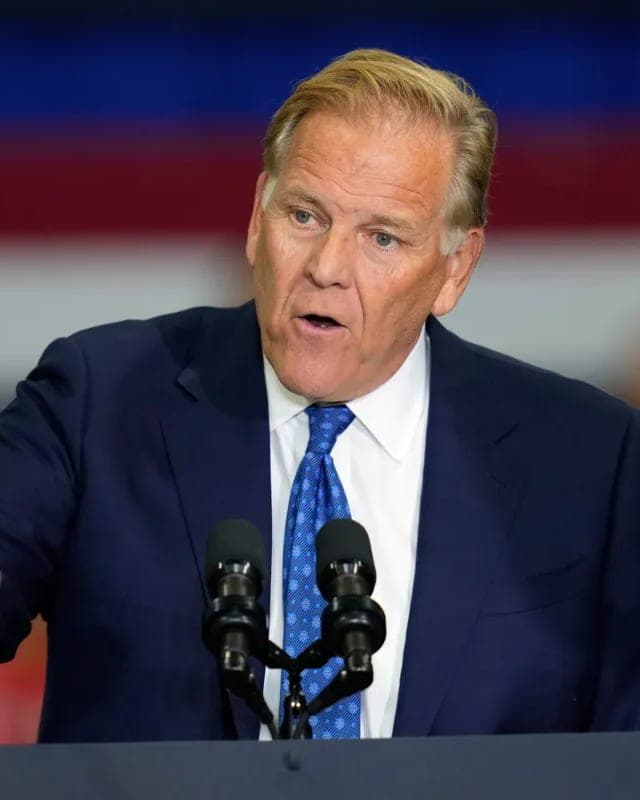
Republican U.S. Senate candidate
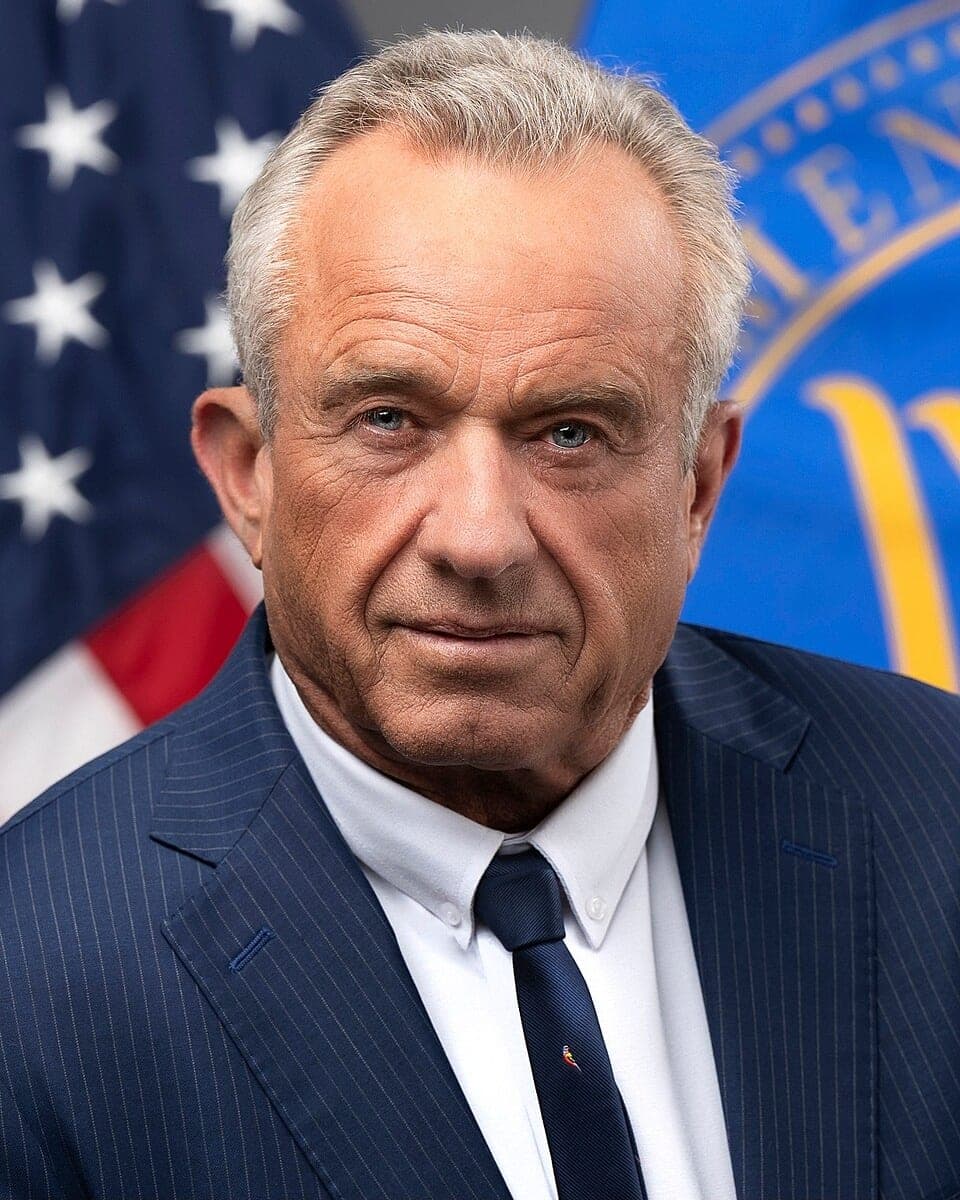
Secretary of Health and Human Services
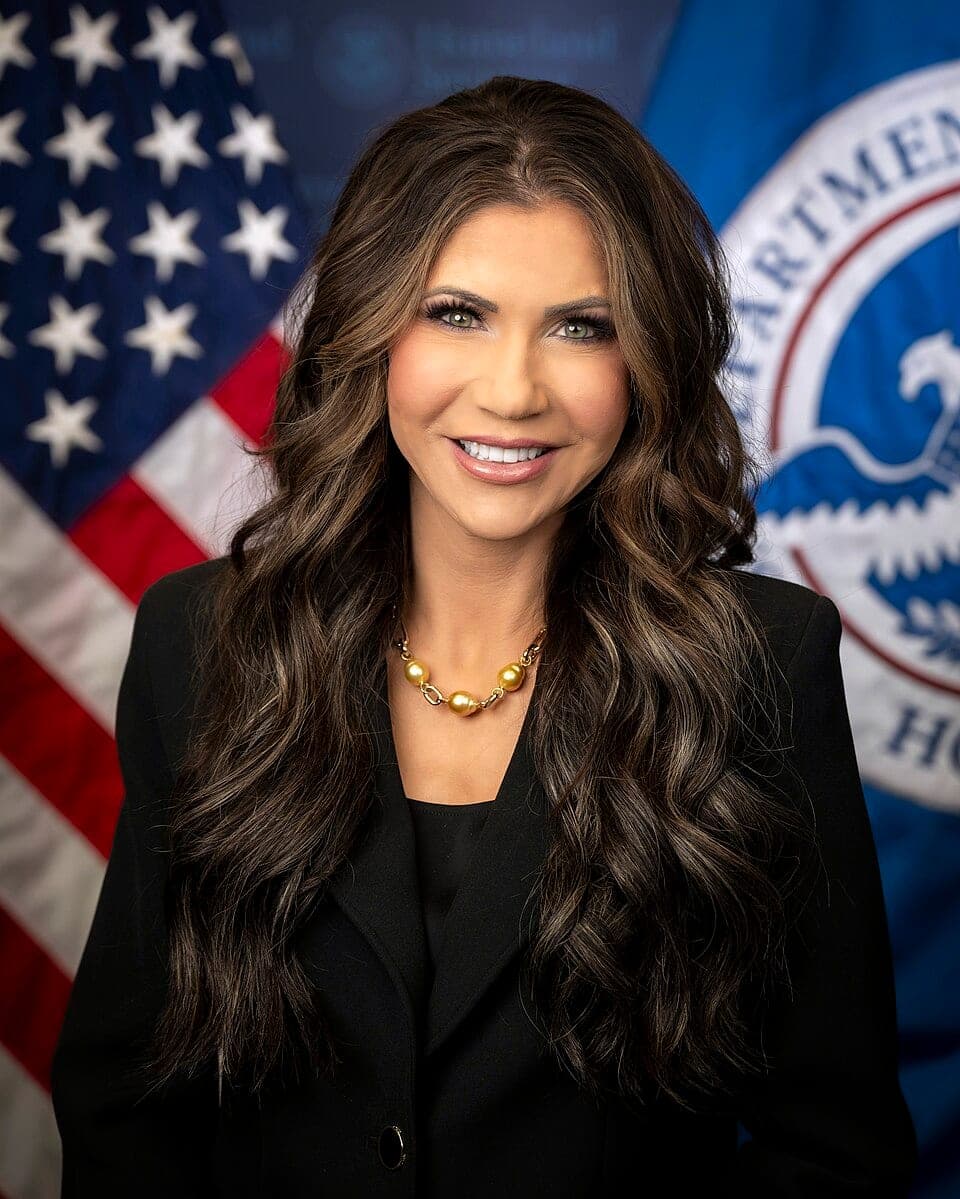
Former Homeland Security secretary
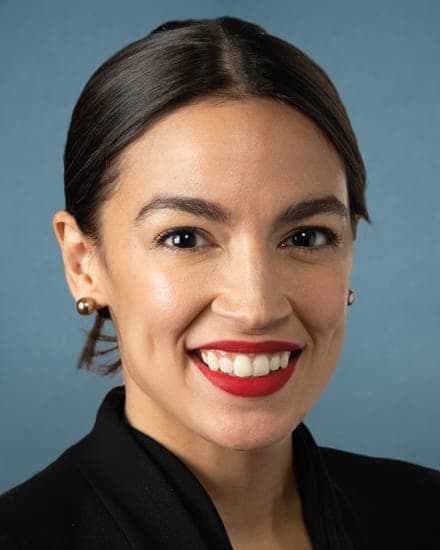
U.S. representative from New York
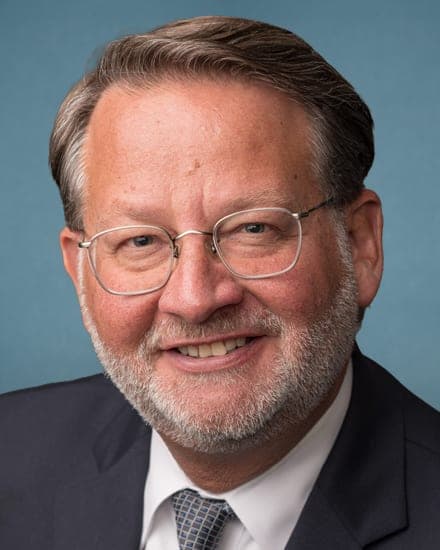
U.S. senator from Michigan
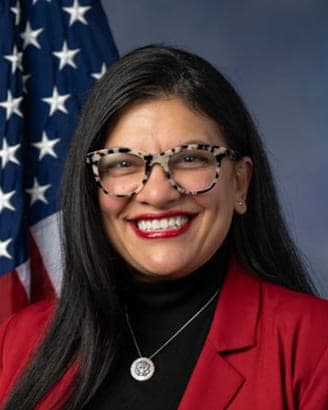
U.S. representative from Michigan
Part of a bigger story
11 OUTLETSHaley Stevens and Abdul El-Sayed debated in Michigan as Democratic Senate candidates. Left-leaning outlets frame El-Sayed as the progressive alternative to Stevens, stressing his challenges to her over campaign funding and immigration. Center outlets generally present both candidates’ arguments, with fact checks on claims about spending and electability and some coverage of polling. Right-leaning outlets foreground Stevens’s celebrity-candidate criticism and the candidates’ disputes over Israel and outside spending.
- ARTICLES
- 13
- OUTLETS
- 11
- AVG CRED
- 68
Discussion · 0
Loading comments…