After remarks on Rob Reiner, 'Trump Derangement Syndrome' bill resurfaces
Davidson’s bill returned to attention after Trump’s remarks about Rob Reiner.

SOURCE CHECK
TAP FOR WHYThe publisher is an established international news organization, but the article has no named byline and relies heavily on a reproduced congressional press release for the bill’s details. The article does provide some independent context about the term and the bill.
- Source type — An established international news outlet, supporting a moderate-to-good institutional baseline.
- Editorial standards — The article distinguishes political rhetoric from medical diagnosis and attributes lawmakers’ claims.
- Author attribution — No author is identified in the article information.
- Track record — The publisher is an established outlet, though this item itself offers limited original reporting.
The article supplies direct quotations and useful context that the term is not a medical diagnosis, but much of its account of the bill comes from a congressional press release. It provides little independent sourcing or detailed examination of the bill’s claims.
HOW WE SCORE ↗The article includes the sponsors’ case for the bill and explains that the phrase is not a scientific diagnosis, but offers limited independent scrutiny of the sponsors’ claims or perspectives on the controversy.
- Source diversity — The article includes Trump’s post and statements from Davidson and Moore, but few other perspectives.
- Counterarguments presented — It reports bipartisan backlash and gives context that the term is not a medical diagnosis, without quoting specific critics.
- Omitted context — The article offers little independent detail assessing the bill’s claims or likely effects.
- Opinion vs reporting — The writing is news-style, though some characterizations of the bill are evaluative.
The reporting is mostly factual, but the writer’s descriptions of Trump’s remarks and the bill are critical. It does not otherwise make a sustained partisan argument.
- Language tone — The article describes Trump as mocking Reiner and the bill as not a serious medical initiative.
- Framing — The piece emphasizes the backlash to Trump’s remark and the bill’s political character.
- Source selection — It includes statements from the bill’s Republican sponsors but little independent comment on their claims.
President Donald Trump’s social media remarks about Rob Reiner’s death renewed attention to Rep. Warren Davidson’s TDS Research Act, a bill the article describes as a political gesture rather than a serious medical initiative. Davidson and original cosponsor Rep. Barry Moore argue the bill would direct existing NIH resources to research the phenomenon.
The article reports that Trump suggested in a social media post that Rob Reiner’s opposition to him was connected to Reiner and his wife’s deaths. It says the remark drew bipartisan backlash for bringing politics into a family tragedy; authorities had not ascribed a motive, and Reiner’s son had been arrested on homicide charges.
The renewed attention brought back Davidson’s TDS Research Act of 2025, introduced in May with Moore as an original cosponsor. The article characterizes “Trump Derangement Syndrome” as a political insult, not a medical diagnosis, and says the measure would direct existing NIH resources toward research and require annual reporting to Congress. Davidson and Moore say the bill would study the phenomenon and its effects; they also link it to political unrest and violence.
Community verdict
VOTING CLOSED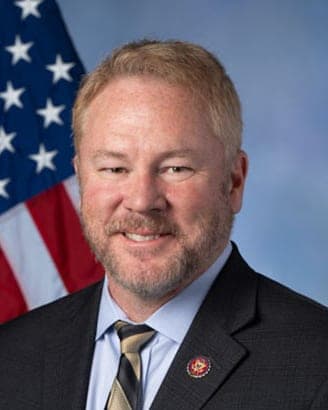
No good or bad look here
This story reports what happened without casting Davidson in a good or bad light, so readers don’t rate it and it doesn’t count toward Davidson’s record.
People in this story
SWIPE →
President whose social media remarks prompted renewed attention to the bill
Trump's version of this story ↗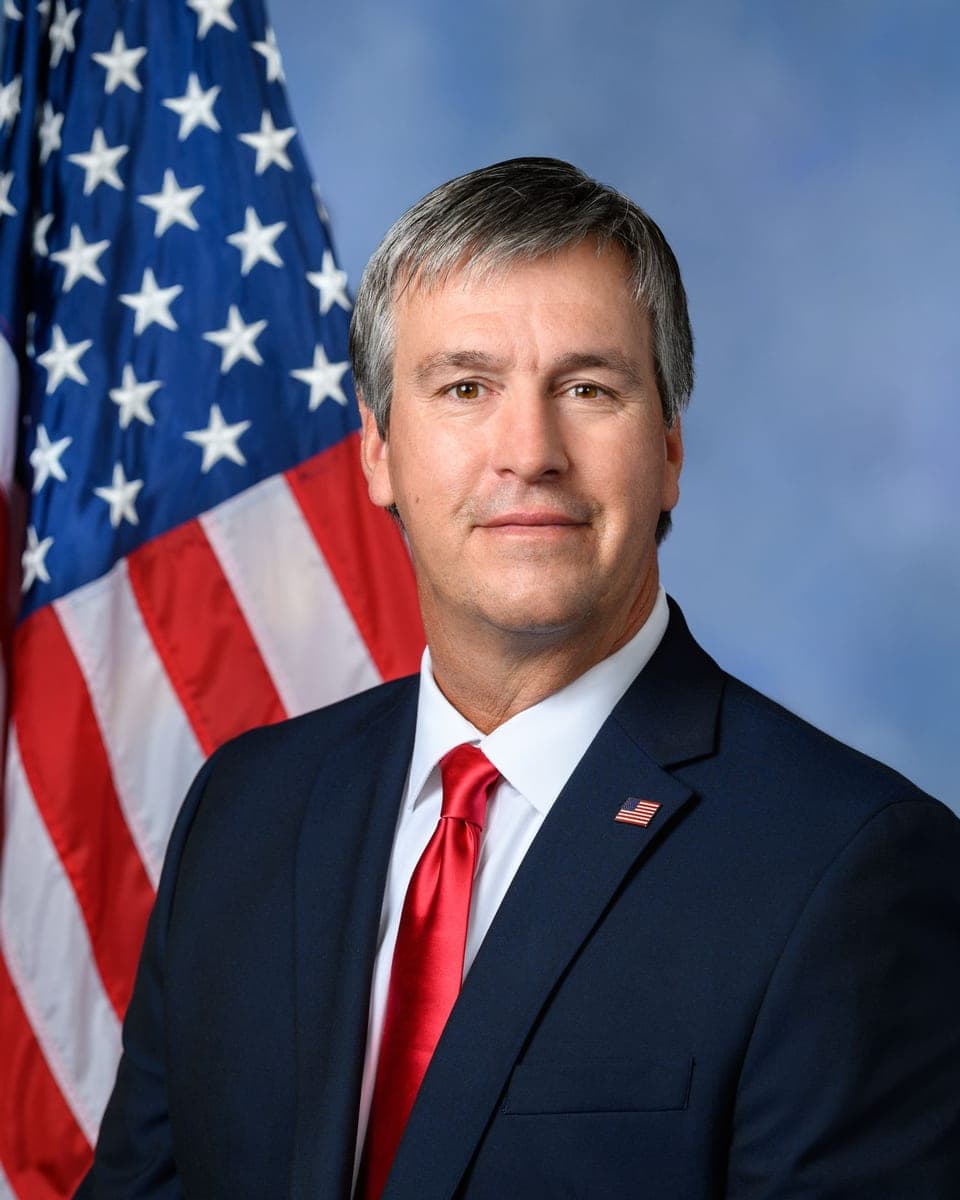
Original cosponsor of the TDS Research Act
Discussion · 0
Loading comments…