AIPAC Is Spending Millions to Elect Friends. It's Also Making Enemies.
Malinowski said AIPAC’s effort against him was unexpected and argued that it could damage the group’s cause.

SOURCE CHECK
TAP FOR WHYThe New York Times is an established national newsroom with substantial original reporting and formal editorial standards. This article attributes claims to interviewees and cites a tax return, though the author is not identified in the article metadata.
- Track record — Established national newspaper with a long record of original reporting.
- Editorial standards — A major newsroom with formal editing and standards processes.
- Transparency — Identifies interviewees and describes a tax return as a source, but the author is unknown in the metadata.
- Source type — National news publication.
The article draws on interviews with donors, former board members, strategists and AIPAC representatives, and cites a tax return. It presents both criticism of the strategy and defenses from the organization and its supporters, though some information is attributed to unnamed sources.
HOW WE SCORE ↗The article gives substantial space to critics of AIPAC’s spending while also including the organization’s defense and supporters’ arguments. Some criticism comes from former allies and donors, but AIPAC’s own explanation and perspective are represented.
- Counterarguments presented — AIPAC’s spokesman and supporters dispute that its spending has backfired.
- Source diversity — Draws on donors, former allies, strategists and AIPAC representatives.
- Opinion vs reporting — Presents attributed viewpoints within a reported account rather than adopting them as the author’s own.
- Omitted context — The account emphasizes strategic criticism but provides context on AIPAC’s stated goals and fundraising.
The article uses a largely reportorial tone and attributes both criticism of AIPAC’s campaign strategy and defenses of it. Its focus on the group’s setbacks does not, by itself, establish a partisan lean.
- Language tone — Mostly descriptive language, with evaluative characterizations attributed to interviewees.
- Source selection — Includes critics, donors and AIPAC representatives or supporters.
- Framing — Frames the story around the consequences of AIPAC’s campaign strategy, not a broad partisan argument.
AIPAC has raised $233 million for campaign spending but faced growing criticism after costly efforts failed to defeat candidates including Abdul El-Sayed in Michigan. The article examines how the group’s electoral strategy has strained alliances and become a campaign issue.
The article reports that AIPAC has raised $233 million to support candidates and oppose others, while public opinion on Israel has shifted. AIPAC leaders say campaign spending remains central to their strategy; critics, including former allies, argue that taking sides in primaries has damaged the group and weakened bipartisan support for U.S.-Israel ties.
AIPAC spent about $33 million trying to defeat Abdul El-Sayed in Michigan’s Democratic Senate primary, but he won by one percentage point. Donors and allies questioned the spending and the group’s choices, while AIPAC supporters defended the strategy and its president said the group remained committed to opposing El-Sayed’s policies.
Community verdict
VOTING CLOSED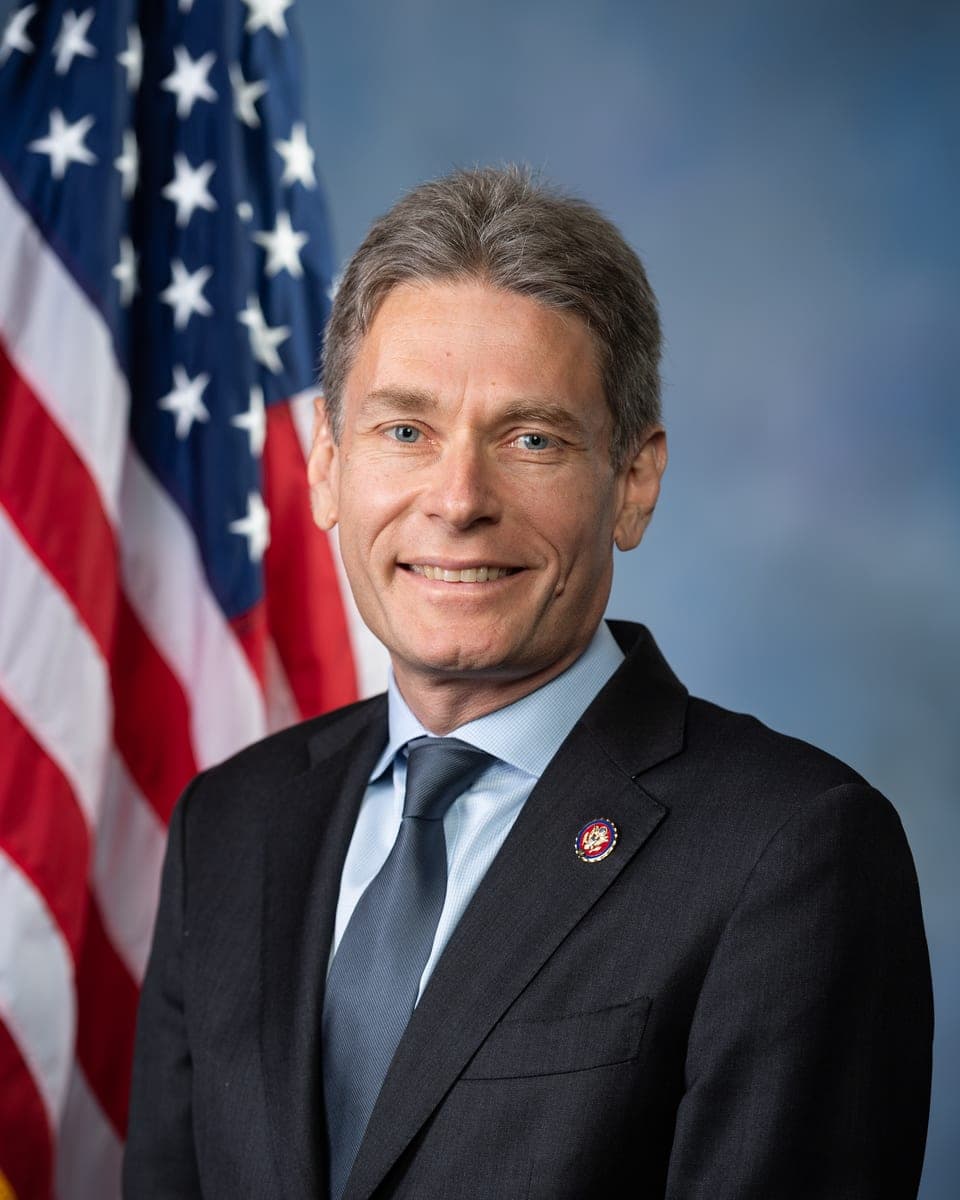
No good or bad look here
This story reports what happened without casting Malinowski in a good or bad light, so readers don’t rate it and it doesn’t count toward Malinowski’s record.
People in this story
SWIPE →Former New Jersey congressman targeted by AIPAC spending
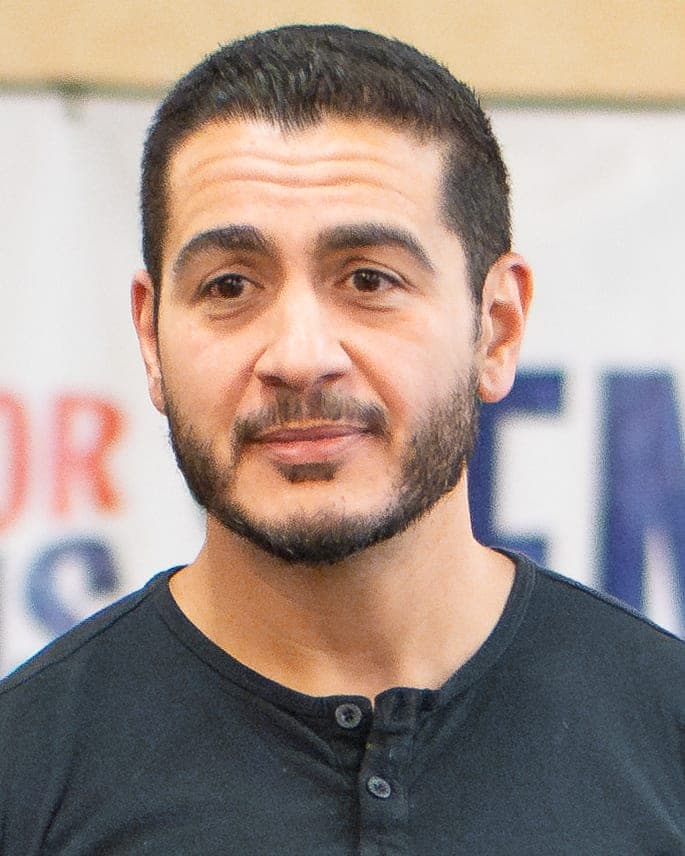
Michigan Democratic Senate candidate and target of AIPAC campaign spending
El-Sayed's version of this story ↗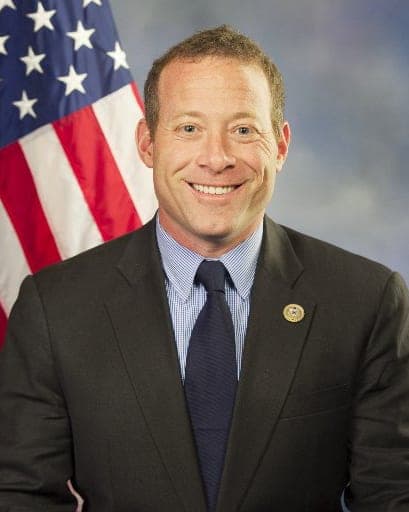
Representative from New Jersey

Senator from Nevada

Representative from Michigan and AIPAC-backed candidate in the Senate primary

Senator from Maine

Democratic candidate who won the New Jersey primary against Malinowski
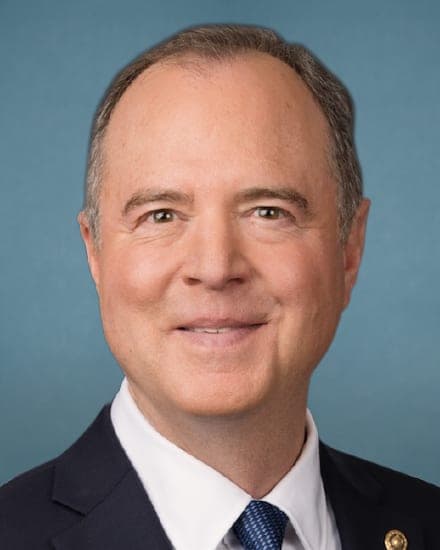
Senator from California
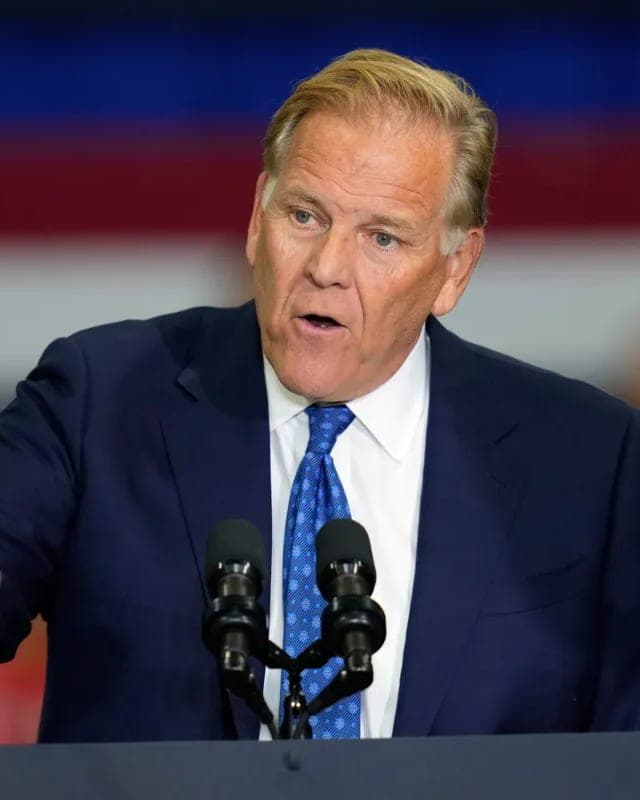
Republican Senate candidate in Michigan
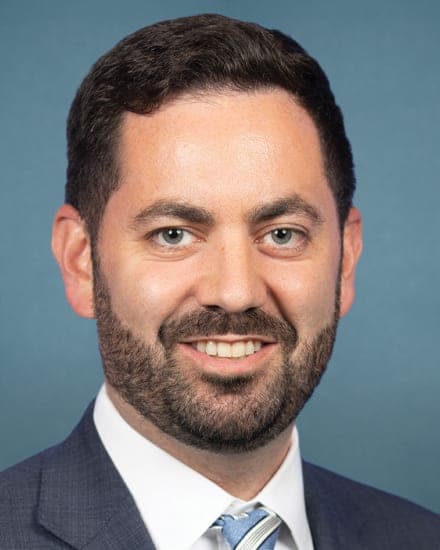
Representative from New York
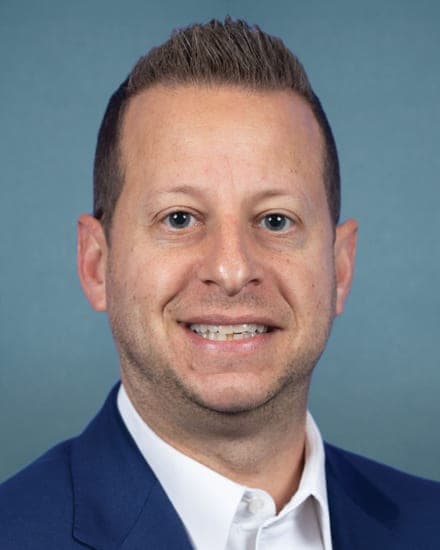
Representative from Florida
Discussion · 0
Loading comments…