Representative Has Gone Missing From Work
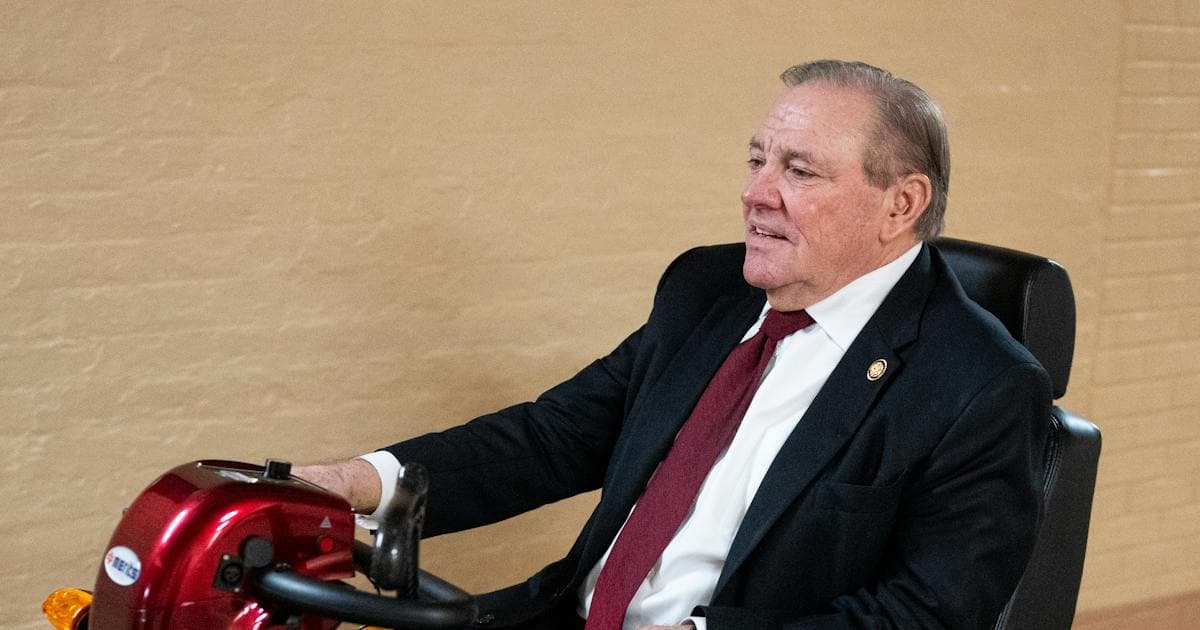
Dunn’s office says he will not vote unless Republican leaders say they need him, and the article details his recent missed votes.
SOURCE CHECK
TAP FOR WHYThe New Republic is an established publication with an identifiable author, but this is an opinion piece and its framing is openly critical. Its institutional credibility is stronger than that of an anonymous blog, though lower than a major wire service or newspaper of record.
- Source type — Opinion publication and framing warrant a lower rating than a straight-news outlet.
- Editorial standards — An established national publication, though the piece is explicitly opinion.
- Author attribution — The article identifies an individual author.
- Transparency — The article identifies Punchbowl News and GovTrack as sources for specific claims.
The short piece supplies specific attendance figures and attributes information to Dunn’s office, Punchbowl News and GovTrack. It offers little context about Dunn’s health or his perspective, and it does not include a response from him.
HOW WE SCORE ↗The article includes specific attendance data and Kean’s stated explanation for his absence, but it does not provide Dunn’s perspective or meaningful context about his health. Its critical framing leaves one perspective dominant.
- Counterarguments presented — No response or explanation from Dunn is included.
- Loaded language — The article uses critical expressions including “missing in action” and “bad track record.”
- Source diversity — Several sources support factual details, but the article provides limited perspective from the lawmakers discussed.
- Omitted context — The article gives little context about Dunn’s health or the circumstances of his absence.
The piece uses critical language about Republican lawmakers’ absences and highlights a Republican’s votes against paid sick leave. Its framing leans left, although the reported attendance figures and quotations are presented as factual claims.
- Language tone — Phrases such as “missing in action” and “bad track record” convey a critical tone.
- Framing — The article emphasizes Republican lawmakers’ absences and contrasts Kean’s absence with his votes on paid sick leave.
- Source selection — The article cites a news outlet and a voting-record analysis, without presenting a response from Dunn.
Neal Dunn’s office says he will not vote unless Republican leaders say they need him; the article reports he has missed 11 votes since June 11. It also recounts his health diagnosis and notes Representative Tom Kean Jr.’s recent return after a months-long absence.
Dunn’s office told Punchbowl News that he would not vote unless Republican leadership said it needed him. The article reports that he had not been on Capitol Hill since June 11 and had missed 11 votes. It also says Dunn previously announced he would not seek reelection, and cites a GovTrack analysis finding he had missed 246 of 4,992 roll-call votes since entering the House in 2017, compared with a 2.1 percent median for representatives.
The article recounts that President Donald Trump publicly discussed Dunn’s serious heart condition in March, with Speaker Mike Johnson confirming that the diagnosis had not been public. It also says Tom Kean Jr. returned to the House floor after an absence beginning March 5 and attributed it to depression; the article notes Kean had repeatedly voted against paid sick leave for his constituents.
Community verdict
VOTING CLOSED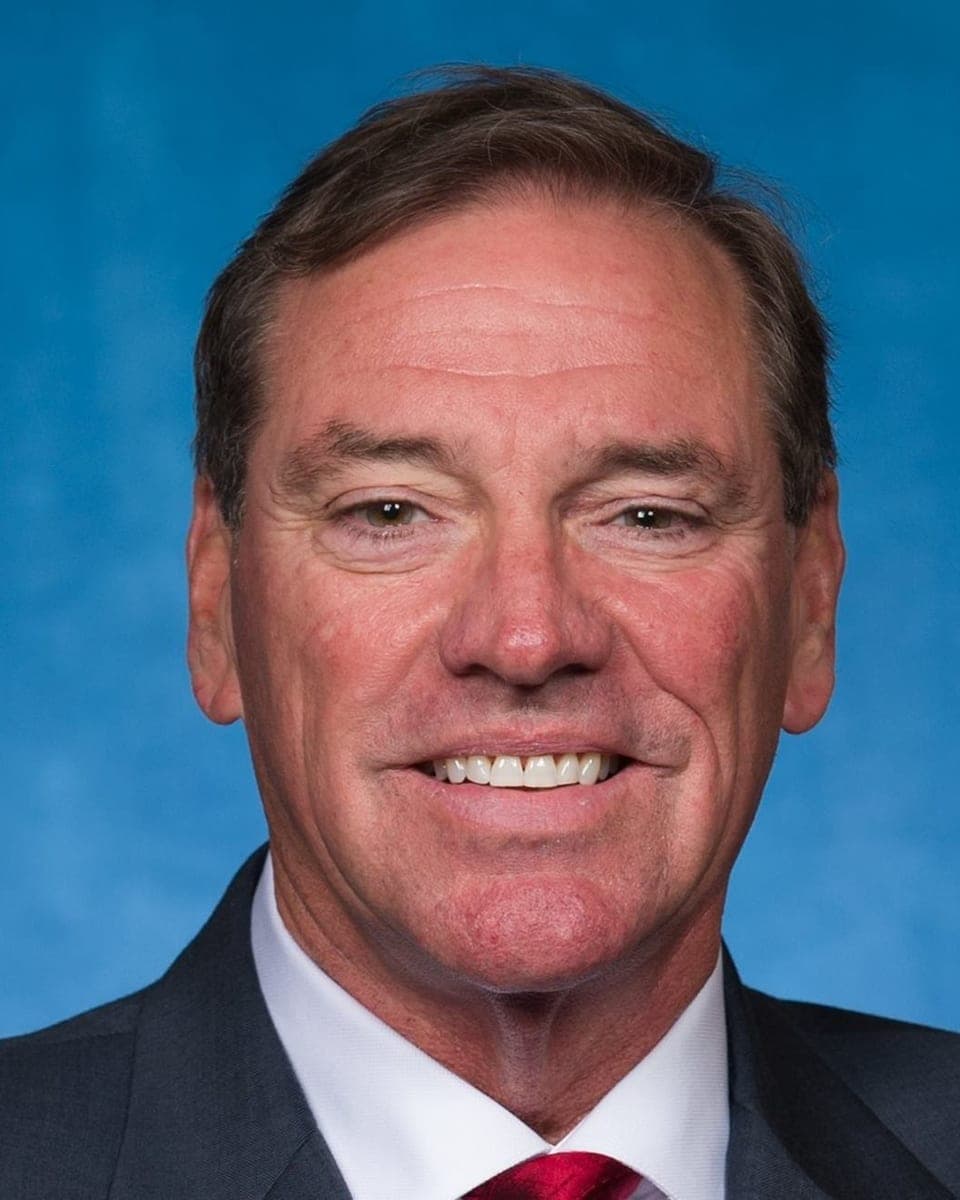
No good or bad look here
This story reports what happened without casting Dunn in a good or bad light, so readers don’t rate it and it doesn’t count toward Dunn’s record.
People in this story
SWIPE →Florida representative whose office says he will not vote unless Republican leadership says it needs him

House Speaker who discussed Dunn’s diagnosis at the event
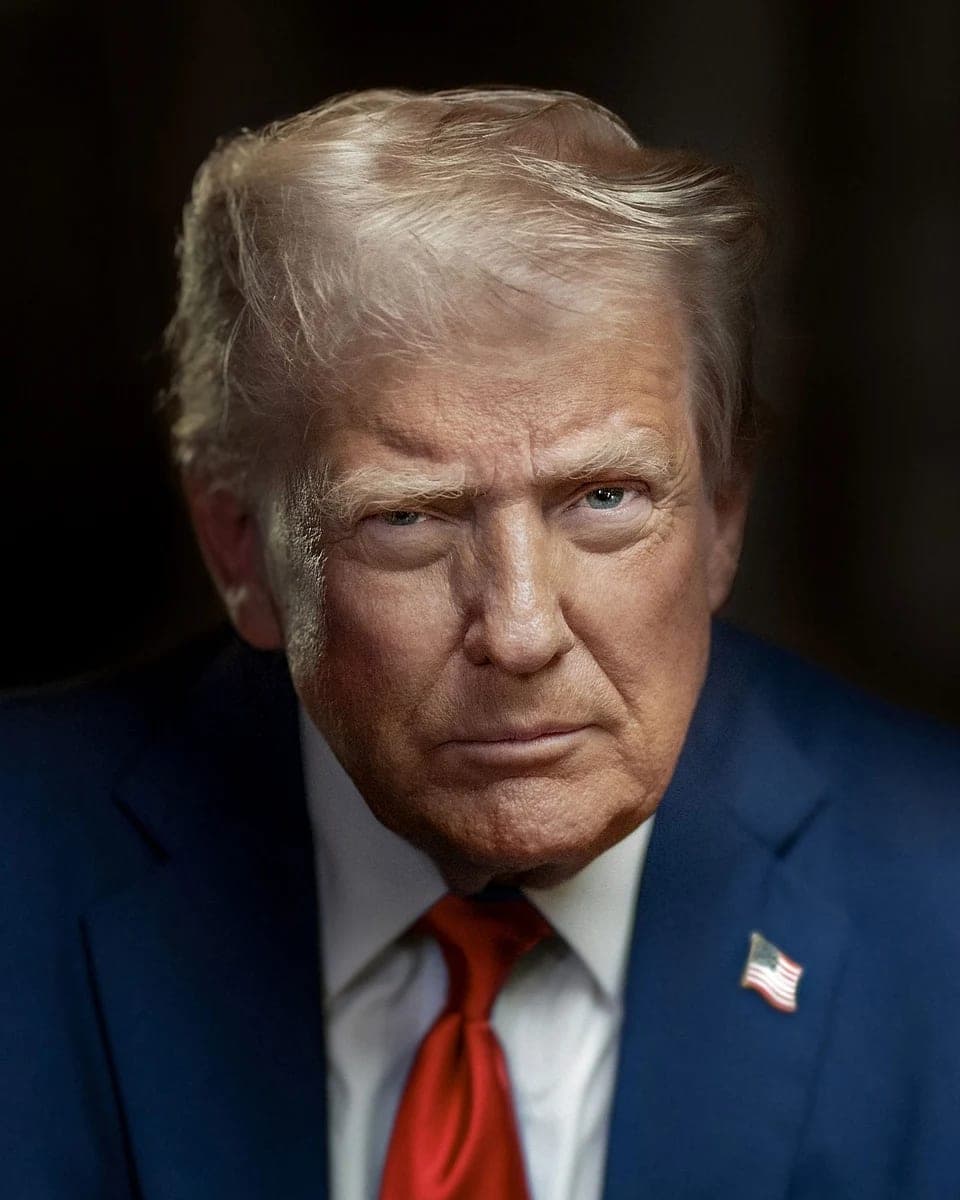
President who publicly discussed Dunn’s health diagnosis
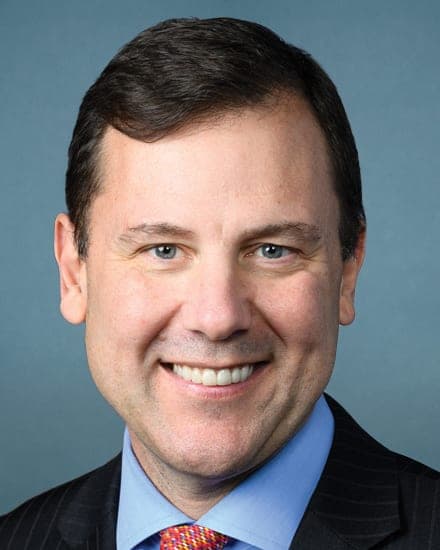
New Jersey representative whose absence and return are mentioned as another example
Discussion · 0
Loading comments…