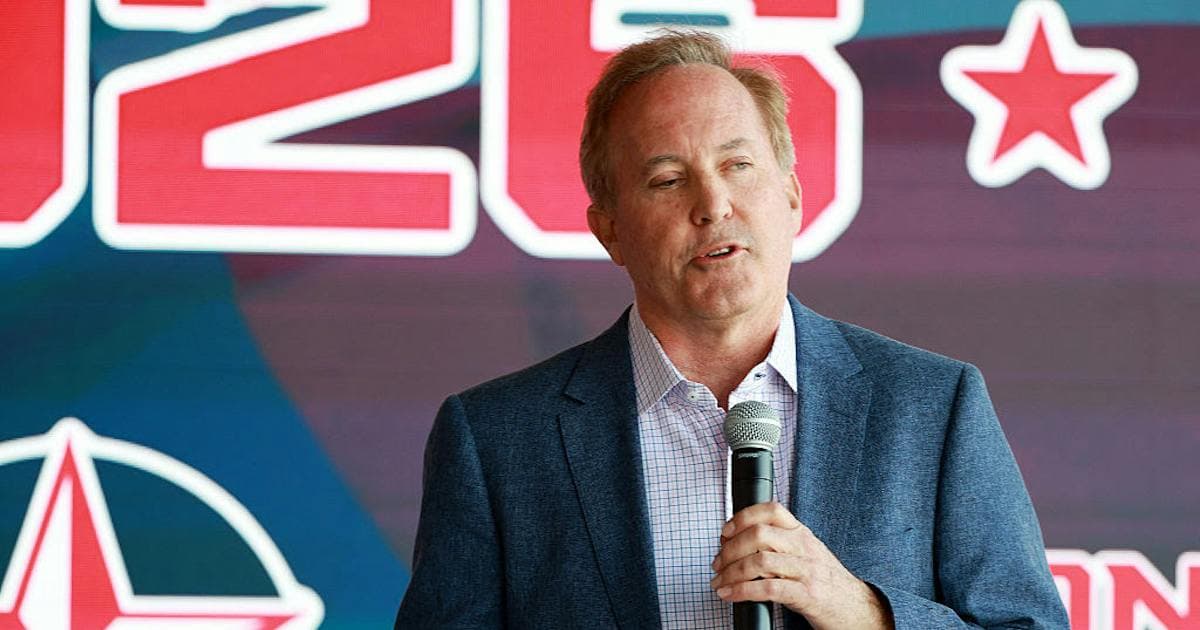
Ken Paxton Is the Face of a Sea Change in the Republican Party
The article presents Paxton’s legal campaign against ESG investing as evidence of a shift in conservative approaches to corporate regulation.
SOURCE CHECK
TAP FOR WHYThe New Republic is an established publication with an identifiable author and editorial operation, though this is an opinion piece rather than independent straight-news reporting. Its institutional credibility is stronger than that of a blog or aggregator, but below that of a major wire service or newspaper of record.
- Source type — An established publication, but the page is classified as opinion.
- Author attribution — The article names its author, Heather Souvaine Horn.
- Editorial standards — The publisher is an established magazine, though this article argues a perspective rather than offering neutral reporting.
The article uses named experts and provides specific details about the lawsuit, settlement and Texas law. Its interpretation is clearly opinionated, and the sources quoted largely support the same critique; it does not include a defense from Paxton or the financial firms.
HOW WE SCORE ↗The article develops a sustained critique of Paxton’s strategy and relies on sources who question its economic or legal merits. It does not provide a substantive response from Paxton, the other defendants or proponents of the approach.
- Counterarguments presented — No defense of the lawsuit or Paxton’s approach is presented.
- Source diversity — Sources include a law professor and an environmental advocacy leader, but both perspectives reinforce the critique.
- Loaded language — The article uses emphatic language to characterize Paxton’s politics and strategy.
The article strongly criticizes Paxton’s approach to ESG and renewable energy and frames it as an alarming departure from conservative free-market principles. Its language and source selection consistently support that critique.
- Language tone — Uses strongly evaluative descriptions, including calling Paxton a 'MAGA firebrand' and his actions a 'crusade.'
- Framing — Presents Paxton’s actions as evidence of a damaging shift away from free-market conservatism.
- Source selection — The quoted experts and advocates support the article’s criticism; no defender of Paxton’s position is quoted.
Texas Attorney General Ken Paxton and Sen. John Cornyn will meet in a May runoff after neither topped 50 percent in the Republican Senate primary. The article argues that Paxton’s lawsuits against financial firms over ESG reflect a more state-directed turn in conservative politics.
Neither Paxton nor Cornyn received more than 50 percent in the Texas Republican Senate primary, sending them to a May runoff. The article presents the contest as a debate over the Republican Party’s future, contrasting Cornyn’s establishment conservatism with Paxton’s approach to renewable energy and ESG investing.
Paxton and 10 other Republican state attorneys general sued Vanguard, BlackRock and State Street in late 2024, alleging the firms conspired to constrain the coal market. Vanguard later settled for $29.5 million, while the other firms continued to fight the suit. A law professor quoted in the article said the case departed from conservative support for investor choice and that its legal arguments were weak. The article also discusses Texas’s 2021 S.B. 13 and Paxton’s 2023 investigation of financial institutions over alleged fossil-fuel boycotts.
Community verdict
VOTING CLOSED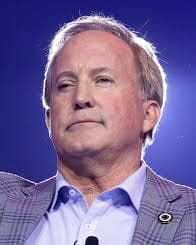
No good or bad look here
This story reports what happened without casting Paxton in a good or bad light, so readers don’t rate it and it doesn’t count toward Paxton’s record.
People in this story
SWIPE →Texas attorney general and Republican Senate candidate whose anti-ESG lawsuits are presented as a sign of changing conservative politics
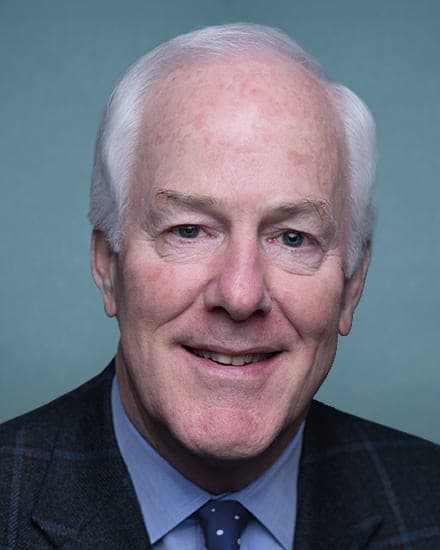
Texas senator and Paxton’s opponent in the Republican Senate primary and runoff
Part of a bigger story
26 OUTLETSOutlets agree that Ken Paxton and John Cornyn advanced from the Texas Republican Senate primary to a runoff, leaving the nomination undecided. Left-leaning outlets connect Paxton to broader changes in conservative politics and highlight his refusal to leave the race despite Trump's potential intervention. Center outlets emphasize the runoff and uncertainty around Trump's endorsement, with some assessing Republican general-election stakes. Right-leaning outlets focus on Trump's pending choice and its potential effect on the contest, including party unity, campaign costs and competing campaign strategies.
- ARTICLES
- 28
- OUTLETS
- 26
- AVG CRED
- 69

Discussion · 0
Loading comments…