Trump's Epstein Problem Is Back; Grijalva Signs Discharge Petition
The article examines his response to the emails and the renewed questions about what he knew of Epstein’s crimes.
SOURCE CHECK
TAP FOR WHYThe New American is an opinion-oriented publisher, and this piece uses an attributed byline but does not provide evidence of a robust corrections process. The article cites other outlets and public statements, though its institutional credibility is limited by its opinion framing.
- Source type — Opinion-oriented publisher; a lower prior than a general-interest newsroom.
- Editorial standards — The article cites outside reporting and official statements, but the page gives limited evidence of editorial or corrections practices.
- Author attribution — A named author is credited.
- Track record — Institutional reporting record cannot be established from this article alone.
The article cites emails, public posts, an FBI memo, a congressional hearing, and reporting by several named outlets. It distinguishes suspicion from proof in places, but its argumentative language and reliance on contested claims limit its precision and balance.
HOW WE SCORE ↗The piece presents Trump’s denial and Republican defenses alongside the emails and the case for transparency, but its opinion framing gives substantial space to suspicion about Trump and the government’s handling of the files.
- Counterarguments presented — Trump’s response and Republicans’ arguments about the emails and the releases are included.
- Loaded language — The article uses evaluative descriptions such as “defensive strategy,” “misleading,” and “firestorm of backlash.”
- Source diversity — It draws on statements from both parties, government agencies, and other news outlets.
- Omitted context — The article acknowledges that Trump’s name appearing in files is not proof of guilt, but does not independently establish the emails’ authenticity or their implications.
The article uses skeptical language about Trump’s handling of the Epstein matter and says his posture has fueled suspicion, while also portraying Democrats as opportunistic and repeating Republican defenses. Its framing leans slightly against Trump overall.
- Language tone — The writer calls Trump’s response defensive and says his posture has ignited suspicion.
- Framing — The headline presents the matter as a recurring problem for Trump, while the story also describes Democratic motives skeptically.
- Source selection — The article includes statements from Trump’s allies and critics, along with outside reporting.
Adelita Grijalva’s signature gave Thomas Massie the final support needed to force a House vote on releasing Epstein-related files, while newly released emails renewed scrutiny of Donald Trump’s past knowledge of Epstein. The article describes competing accounts of the emails and the effort to release the files.
Democrats on the House Oversight Committee released emails that the article says appear to indicate Trump knew about Epstein’s conduct. Trump called the renewed attention a Democratic effort to distract from other issues, while Republicans disputed the emails’ implications and cited Virginia Giuffre’s public statements. The article notes that Trump being named in files is not proof of guilt.
Grijalva’s signature supplied the final one needed for Massie’s discharge petition, which would force a House vote on the Epstein Files Transparency Act and the release of Justice Department files, with some exceptions. The article also recounts a planned White House meeting with petition signer Lauren Boebert and describes earlier disputes over what Epstein-related information the FBI has.
Community verdict
23 VOTES
Counts every outlet’s report of this story. See all 20
Votes cast on this page
Votes cast on this page: ▲ 0 · ◆ 0 · ▼ 0
People in this story
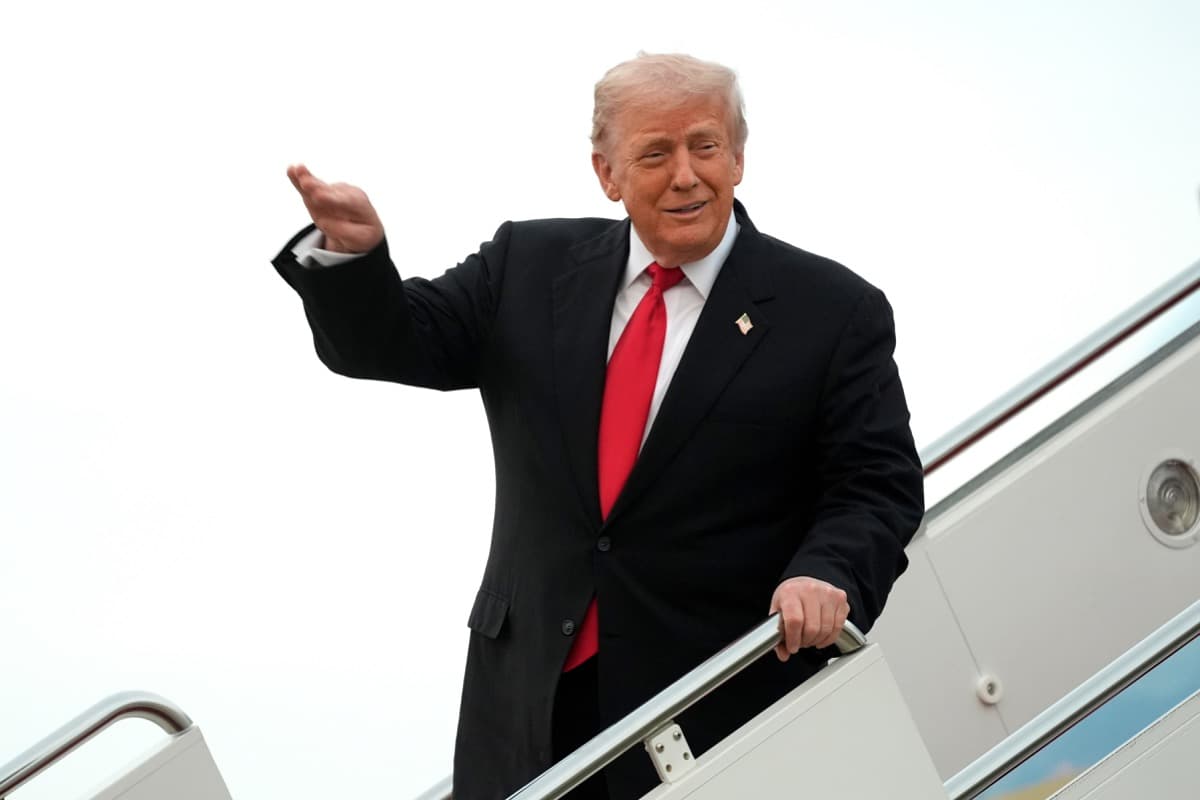
SWIPE →President responding to renewed scrutiny over Epstein-related emails and files

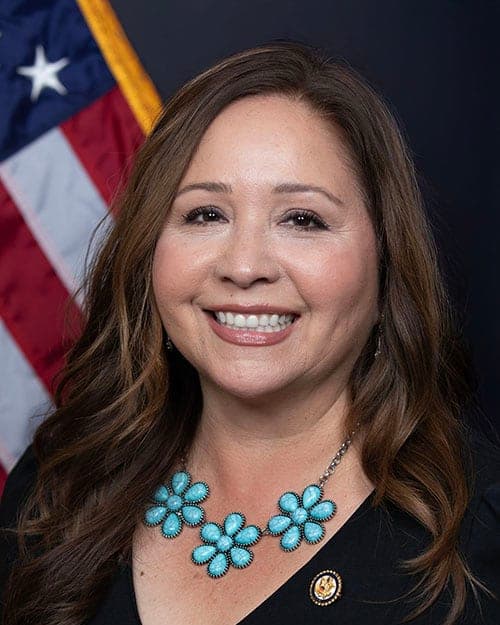
Representative who signed the discharge petition
Grijalva's version of this story ↗
Chair of the House Oversight Committee
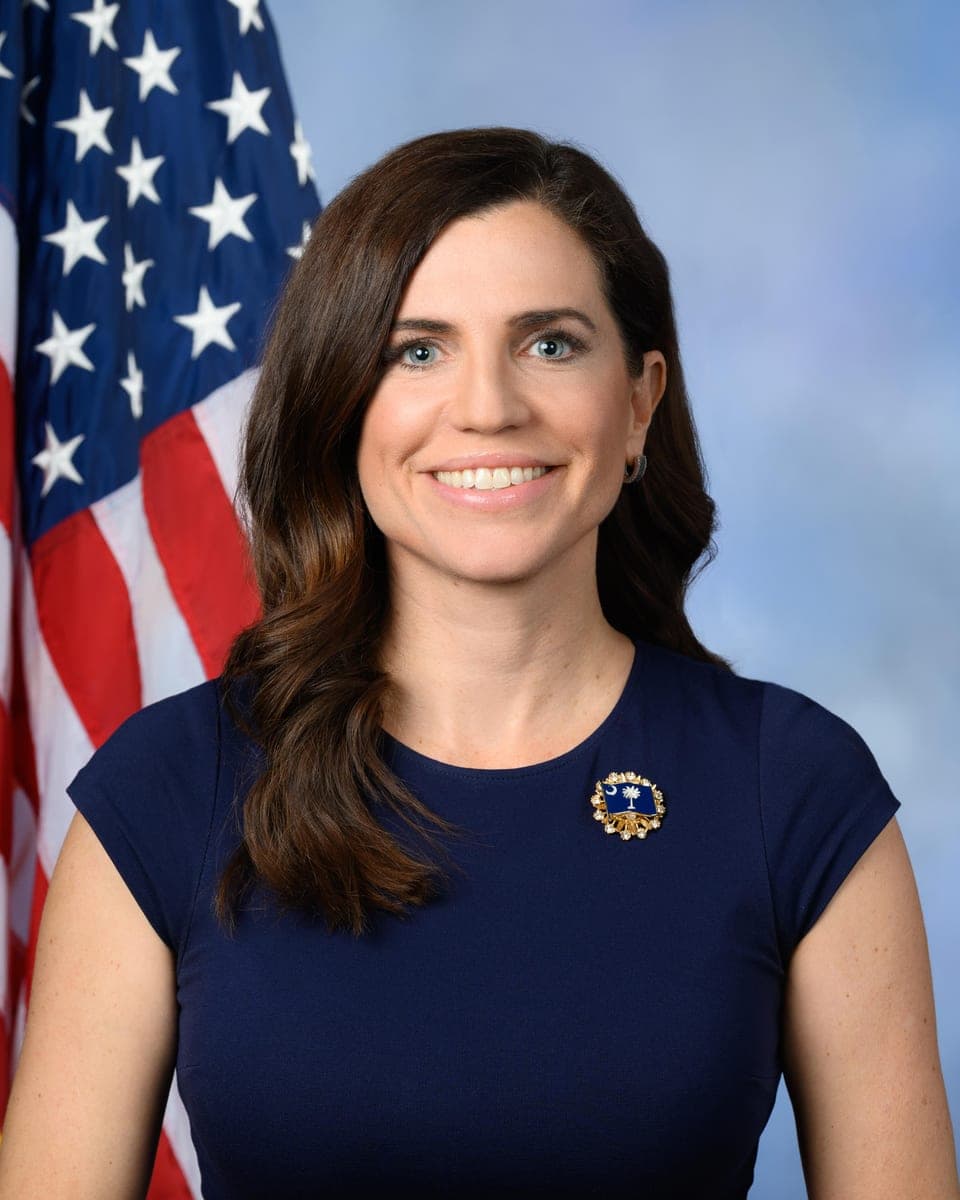
Representative who signed the discharge petition and criticized the Democrats’ emails
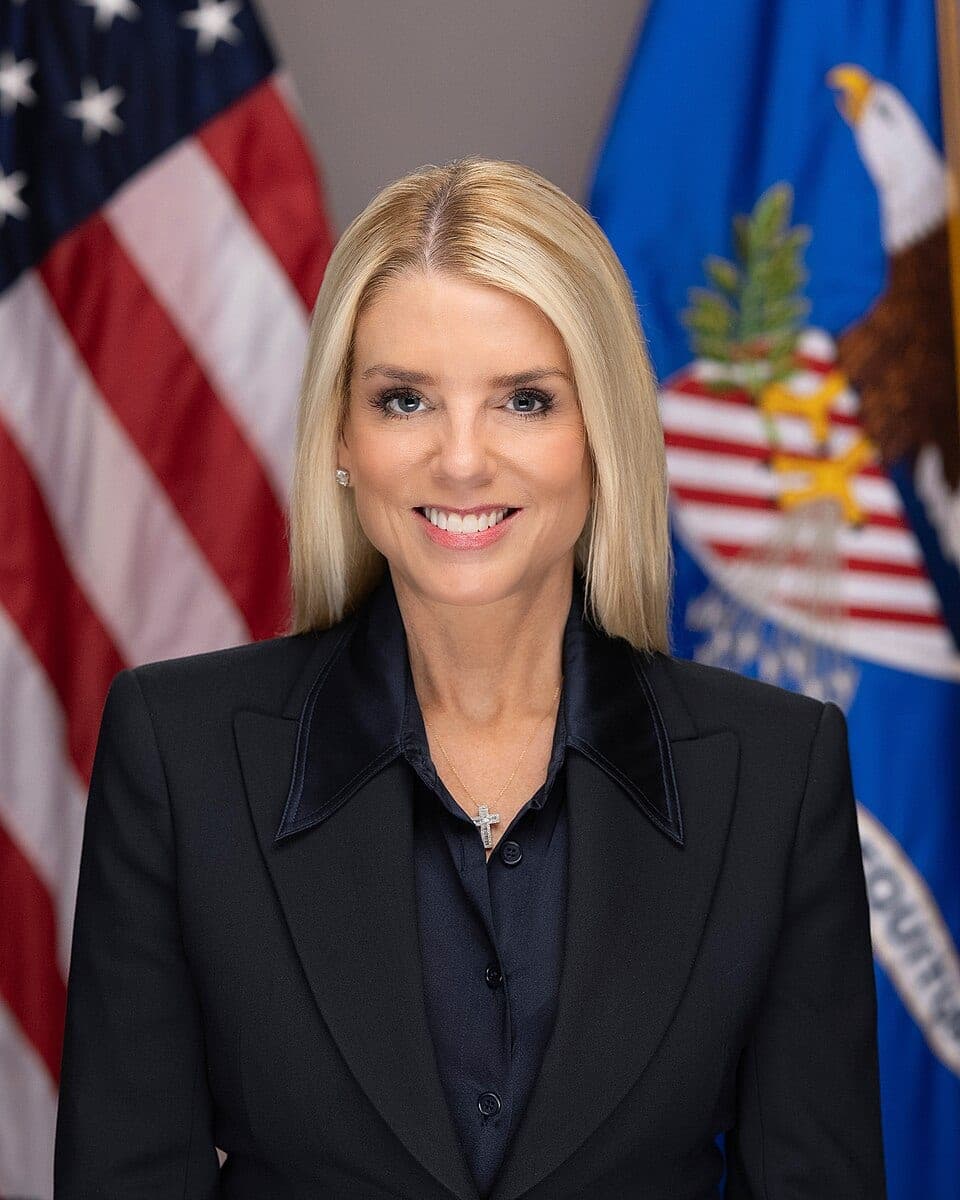
Attorney General named as a participant in the planned White House meeting
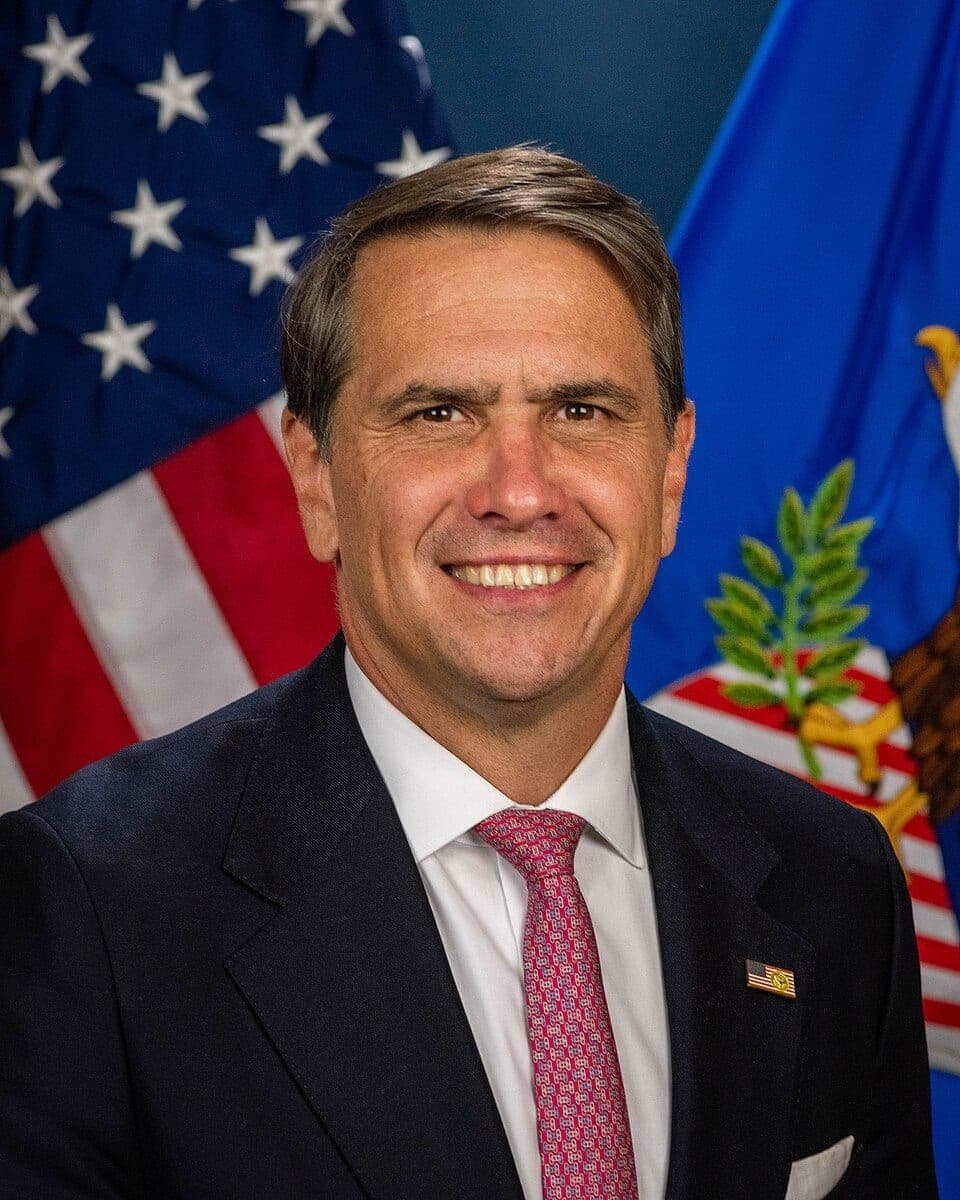
Deputy Attorney General named as a participant in the planned White House meeting

Speaker of the House, whose role in scheduling a vote is discussed
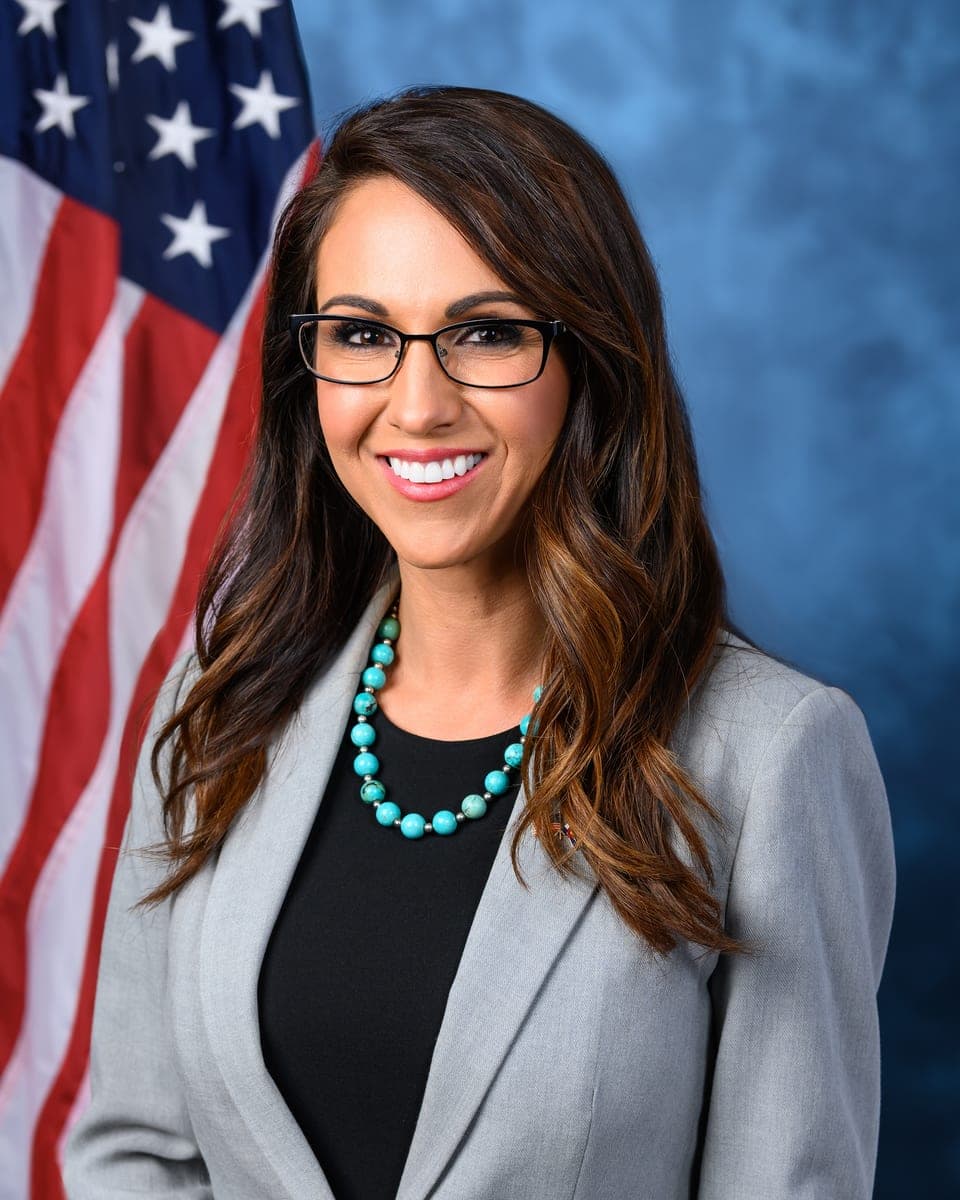
Representative who signed the discharge petition and attended a White House meeting
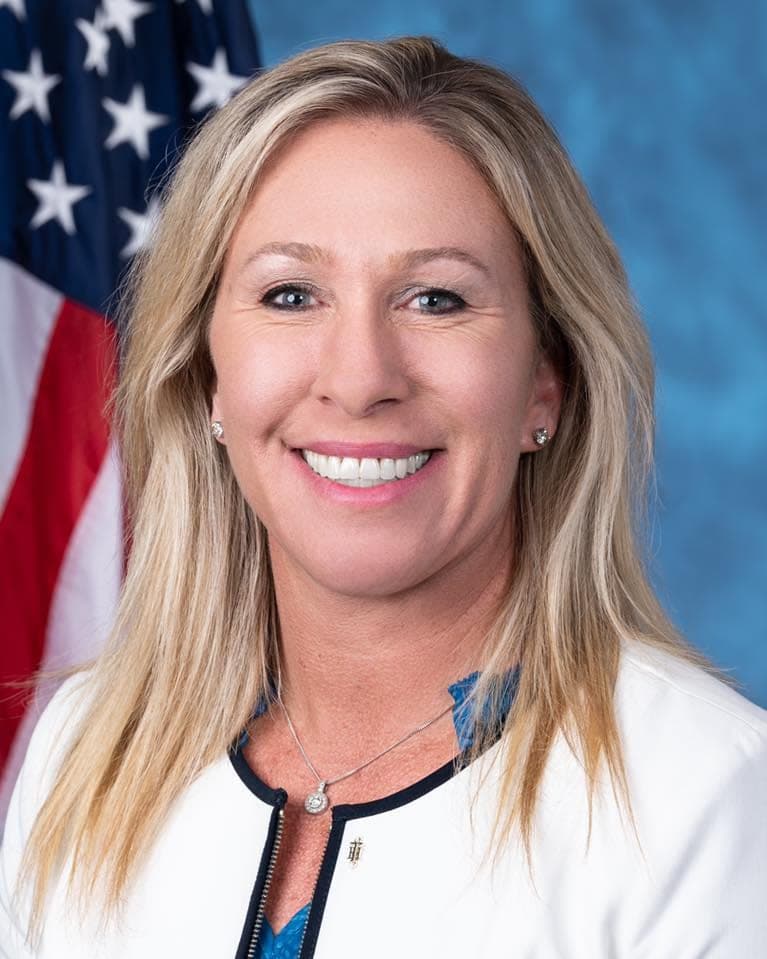
Representative who signed the discharge petition

White House press secretary who confirmed the meeting
Representative working with Massie to seek release of the files
Part of a bigger story
18 OUTLETSThe petition reached 218 signatures, enough to force a House vote on releasing Epstein-related files, and articles report that Trump sought to persuade Republican lawmakers to withdraw their support. Left-leaning outlets portray Trump’s efforts as an attempt to prevent disclosure and connect the dispute to questions about his knowledge of Epstein. Center outlets largely focus on the petition’s progress and vote process, while also reporting Trump’s outreach and competing claims about the files. Right-leaning outlets pair the petition’s progress with Trump’s response, emphasizing either reported outreach to lawmakers or renewed questions about his past knowledge.
- ARTICLES
- 20
- OUTLETS
- 18
- AVG CRED
- 68
Discussion · 0
Loading comments…