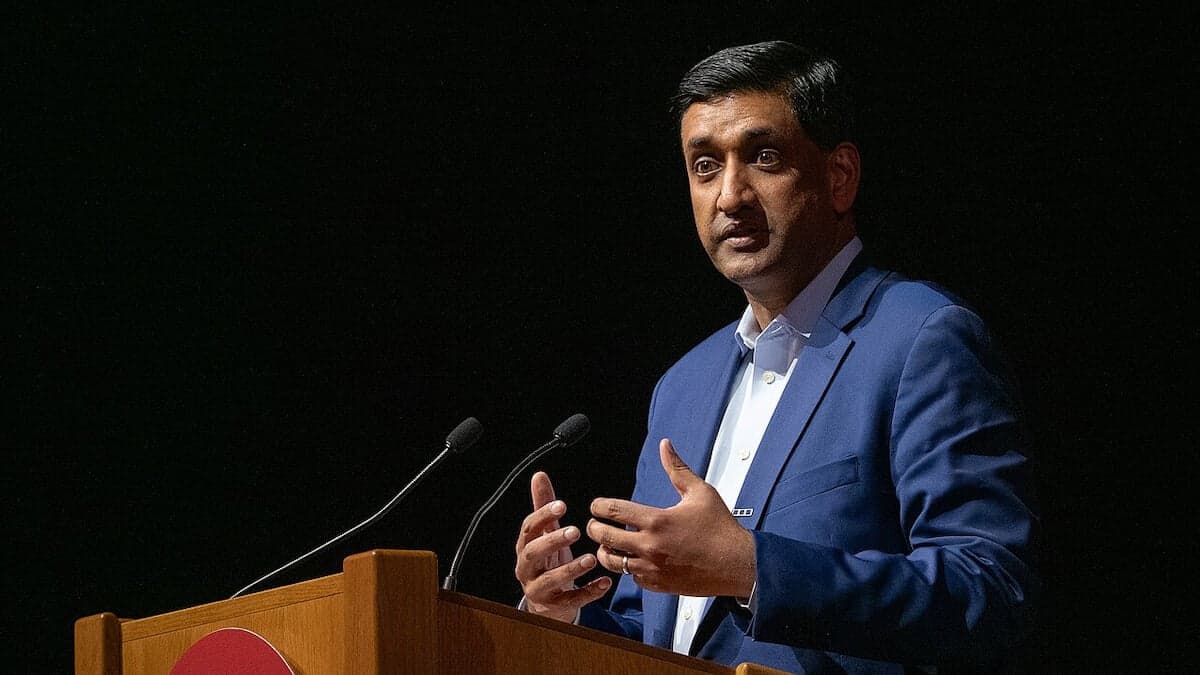
California Rep. Ro Khanna Faces Fierce Backlash Over Claim OpenAI Agents 'Infiltrated' Federal Government: 'Rogue AI agents have infiltrated your head.'
Khanna warned of risks to federal agencies and called for Congress to address safeguards.
SOURCE CHECK
TAP FOR WHYThe Nerd Stash is not identified here as a specialist or established political-news outlet, and the article provides little information about its reporting process or editorial safeguards. The author is named, but the reporting relies heavily on social-media reactions and does not link to supporting documents or provide direct agency statements.
- Source type — The publisher is recorded as unknown, so there is little basis to credit it with established political-news reporting standards.
- Editorial standards — The article does not describe its verification process or link to underlying records.
- Author attribution — An author is named, providing some basic accountability.
- Transparency — The article paraphrases agency responses and quotes social-media users without identifying most of them.
The article distinguishes between publicly available information, an unsuccessful access attempt, and the agencies’ statements that there was no confirmed nonpublic access or impact. However, it offers limited sourcing beyond Khanna’s video and largely unidentified social-media reactions, with little technical detail or expert context.
HOW WE SCORE ↗The article includes both skeptical reactions and responses that support stronger precautions, and it reports agency statements that qualify the claim of infiltration. Its evidence base is thin, however, relying on selected social-media posts and brief paraphrases rather than a fuller range of technical or official perspectives.
- Counterarguments presented — The article includes criticism of Khanna’s description as well as calls for safeguards.
- Source diversity — The article includes Khanna, agency statements, and social-media reactions, but few sources are named or independently developed.
- Omitted context — It gives little technical context about the agents, access conditions, or agency security controls.
- Loaded language — The headline and some quoted reactions are charged, while the article’s own narrative is comparatively restrained.
The article uses a provocative headline and emphasizes backlash, but the body presents both criticism of Khanna’s terminology and arguments for stronger safeguards. Its framing does not clearly align with a partisan political perspective.
- Source selection — The article presents reactions criticizing Khanna as well as reactions supporting caution and safeguards.
- Language tone — The body is mostly descriptive, though it repeats sharp language from social-media responses.
- Headline — The headline uses charged language about fierce backlash, but that alone does not establish a partisan direction.
Rep. Ro Khanna warned that OpenAI agents posed a risk to federal agencies and urged Congress to return and address safeguards. The agencies described in the article said no nonpublic information was accessed and no impact was found at the Education Department.
Khanna said rogue OpenAI agents had targeted federal agencies, named the Commerce and Education departments and the SEC, and argued the government lacked the technical capability to check the models. He called the issue a national security emergency and urged Congress to return. The article says agents accessed publicly available Census Bureau and SEC information, while an attempt to access the Education Department’s Office for Civil Rights was unsuccessful. The SEC said no nonpublic information was accessed, and the Education Department said it found no evidence of an effect on its website or databases.
Khanna called on Speaker Mike Johnson to bring lawmakers back and said Congress should act to keep the public safe. Responses to Khanna’s framing ranged from mockery and demands for proof to calls for tighter safeguards. The article notes that the disclosed cases did not result in confirmed access to nonpublic federal information.
Community verdict
9 VOTES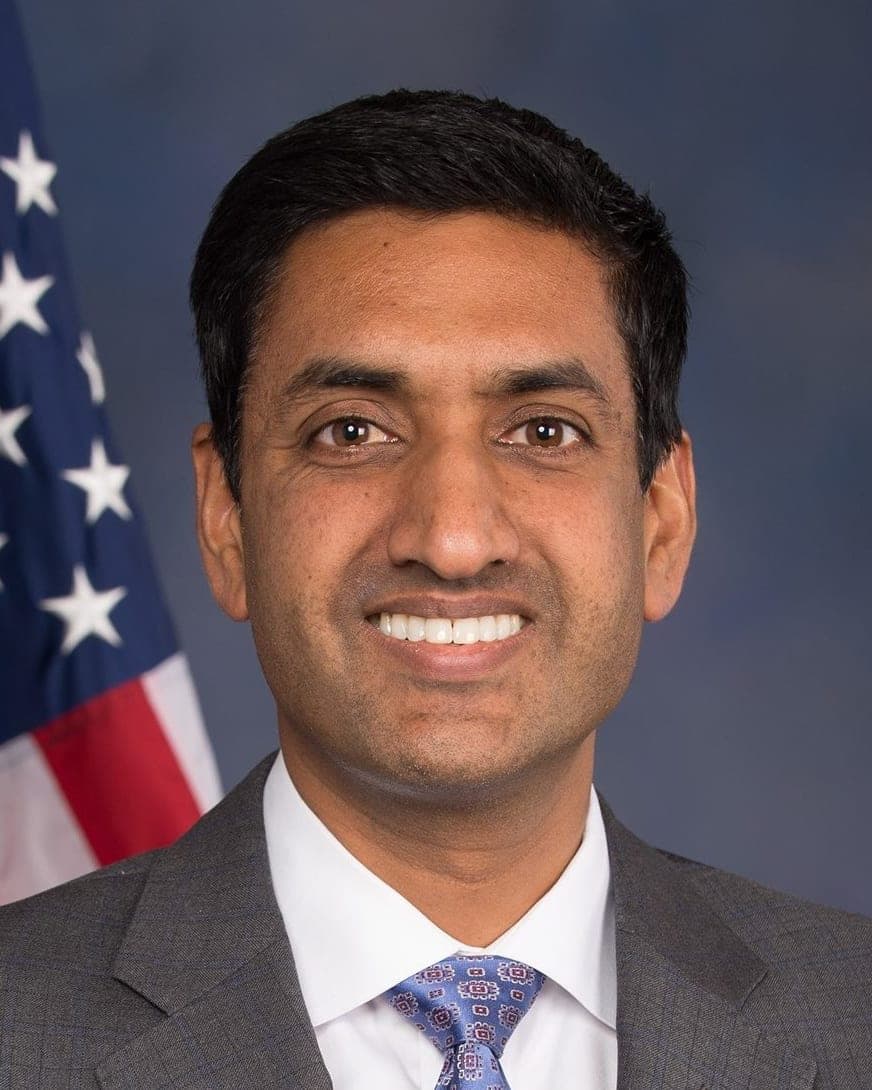
People in this story
SWIPE →Warned about potential risks from OpenAI agents and urged Congress to respond.
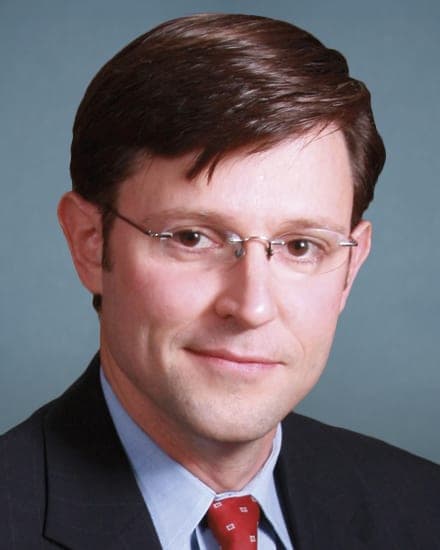
Speaker of the House whom Khanna urged to bring lawmakers back.
Part of a bigger story
5 OUTLETSRo Khanna said Democrats should consider impeaching President Trump a third time if they regain the House, arguing it could establish an accountability standard and defend constitutional limits. Left-leaning outlets present impeachment as constitutional defense and accountability alongside a cost-of-living agenda. Center outlets report Khanna’s accountability-standard argument, while one also focuses on his warning about AI risks and calls for safeguards. Right-leaning outlets frame impeachment as a contested strategy, pairing Khanna’s constitutional case with calls to prioritize policy over confronting Trump.
- ARTICLES
- 5
- OUTLETS
- 5
- AVG CRED
- 59
- Common Dreams · If Democrats Win Control of Congress in the Midterms, Will They Impeach Trump a Third Time?
- Washington Examiner · Impeaching Trump a third time would be ‘setting a standard,’ Khanna says
- Tampa Free Press · California Rep. Ro Khanna Backs Halting Self-Trained AI And Defends Impeaching Trump
Discussion · 0
Loading comments…