Senators should answer to voters, not factions
The column examines Thune’s claim that Schumer fears opposition from the Democratic Party’s left flank and argues that party leaders face pressure from factions.
SOURCE CHECK
TAP FOR WHYCredibility rates The Mining Journal, where this article appeared. The other scores rate the article itself.
The Mining Journal is a local newspaper, but this page is an attributed syndicated opinion column rather than original reporting. The named columnist and syndicate provide some transparency, while the page offers little evidence of independent fact-checking or reporting.
- Source type — Established local newspaper, a generally credible institutional source.
- Author attribution — The page identifies the columnist and notes his connection to Creators Syndicate.
- Editorial standards — This is clearly opinion, not independently reported news.
- Transparency — The syndicate is identified, but no reporting sources or documentation are provided.
The column presents a coherent argument and identifies Thune’s claim and Cotton’s stated rationale, while acknowledging partisan context and drawing comparisons across parties. It provides little independent sourcing or documentation for its broader assertions and offers limited direct response from the people criticized.
HOW WE SCORE ↗The column explicitly cautions that Thune’s account is partisan, says the parties are not identical, and criticizes both Democrats and Republicans. As an opinion piece, it relies largely on the author’s interpretation and does not provide responses or independent evidence for its broader claims.
- Counterarguments presented — The author qualifies Thune’s account and argues that the parties differ, while still identifying problems on both sides.
- Source diversity — The column includes Thune’s criticism and Cotton’s explanation but offers no direct response from Schumer or Trump.
- Opinion vs reporting — The piece is openly argumentative and advances a conclusion about factional influence.
- Omitted context — Broad claims about party behavior are asserted with limited supporting detail.
The column criticizes factional pressure in both parties but gives particular attention to Trump’s pressure on Republicans and the effects of loyalty demands. Its explicit caveats about Democrats and Thune’s partisan interest temper that tilt.
- Framing — The central argument criticizes factional control across both parties, with a pointed account of Trump’s pressure on Republicans.
- Language tone — The author uses evaluative language about factions and political loyalty, while applying criticism to both parties.
- Source selection — Thune’s criticism of Schumer is presented, then qualified as partisan; Cotton’s account is also included.
Cites Creators
This article cites Creators as its original publisher. ChamberLight has not verified that it is a republication, so the scores are The Mining Journal's own.
Not rated.
An opinion column argues that senators in both parties face pressure from ideological factions, citing John Thune’s criticism of Chuck Schumer and Donald Trump’s public targeting of Tom Cotton. It urges senators to use independent judgment and answer to voters rather than party factions.
The column says Thune argued that Schumer fears the Democratic Party’s left flank, pointing to disputes over military funding, a defense authorization bill and the Foreign Intelligence Surveillance Act. The author says Thune’s account is partisan but argues that factional pressure on party leaders can undermine compromise and governing. The piece also recalls Schumer’s vote to reopen the government during an earlier shutdown fight.
The author says Republicans also face pressure to show personal loyalty to Trump. The column recounts Trump sharing a phone number he said belonged to Cotton and urging people to call after Cotton opposed making daylight saving time permanent; Cotton defended his position by citing Arkansas children traveling to school in winter darkness. It concludes that senators should explain their decisions and answer to voters, while arguing that both parties’ most powerful factions can punish disagreement.
Community verdict
VOTING CLOSED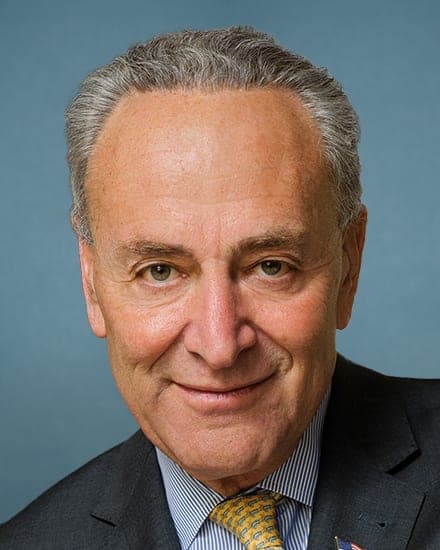
No good or bad look here
This story reports what happened without casting Schumer in a good or bad light, so readers don’t rate it and it doesn’t count toward Schumer’s record.
People in this story
SWIPE →Senate minority leader discussed as facing pressure from his party’s left flank

President described as pressuring Republican senators to show personal loyalty
Trump's version of this story ↗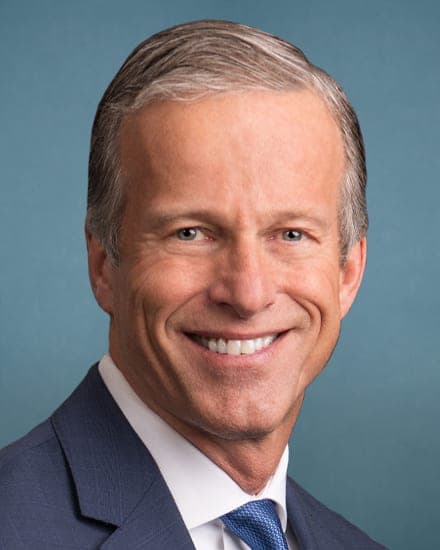
Senate majority leader criticizing factional pressure on Chuck Schumer
Thune's version of this story ↗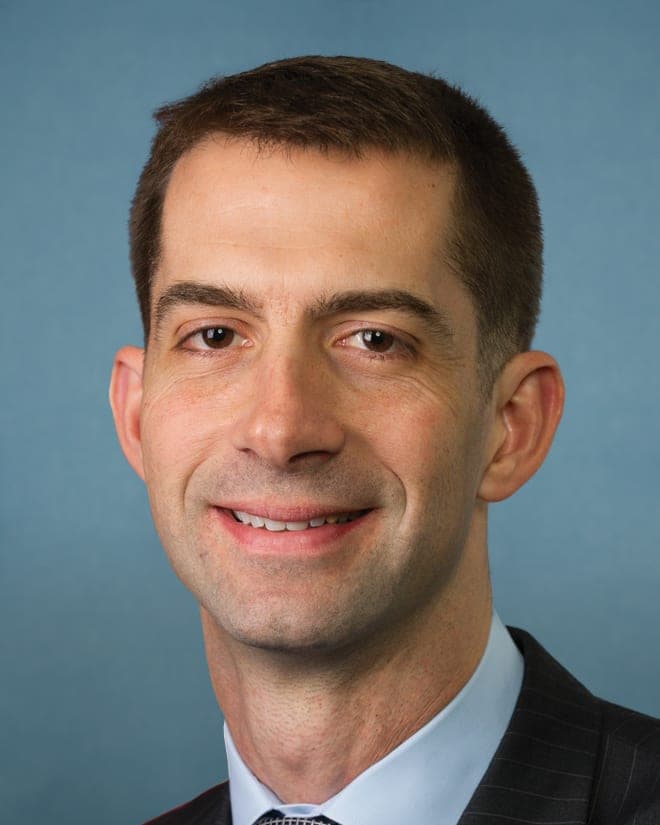
Senator who opposed making daylight saving time permanent and defended his position
Part of a bigger story
2 OUTLETSDiscussion · 0
Loading comments…