Michigan DSA candidate vows to 'mend fences' to defeat MAGA
After winning the Democratic primary, El-Sayed called for party unity ahead of the general election.
SOURCE CHECK
TAP FOR WHYThe article has an identified author and attributes key reporting to NBC News, Newsweek and campaign statements. The publisher is not a major newspaper or wire service, and the piece offers limited independent verification of claims made by the campaigns.
- Author attribution — An author is named, and outside reporting and campaign statements are attributed.
- Source type — A national digital outlet, but not a newspaper of record or wire service.
- Transparency — The article identifies sources for the result and quoted statements, but provides limited detail about its own reporting.
The article reports a precise result and attributes quotations and campaign claims to their sources. It offers little independent context or verification of Rogers’ allegations, and the sourcing is largely secondary reporting and campaign statements.
HOW WE SCORE ↗The article includes statements from both campaigns and reports Stevens’ support for El-Sayed. It does not independently assess Rogers’ claims or provide much additional context, leaving the campaign’s competing assertions largely untested.
- Counterarguments presented — Both sides of the coming contest appear, but Rogers’ allegations are not answered or independently examined.
- Source diversity — Statements from the Democratic candidates and Rogers’ campaign are included, alongside references to other outlets’ reporting.
- Omitted context — There is limited context on the candidates’ records or verification of the claims made about El-Sayed.
The report is mostly straightforward but uses politically charged descriptors and gives limited scrutiny to the competing campaign claims. Its framing is only slightly tilted rather than clearly partisan.
- Language tone — Terms such as “hotly-debated” and “MAGA” add some charged framing, though they are presented in a news-style account.
- Source selection — The article includes statements from El-Sayed, Stevens and Rogers’ campaign, with little independent analysis.
- Framing — The story foregrounds El-Sayed’s win and unity message, while also reporting the opponent’s attack.
Abdul El-Sayed won Michigan’s Democratic Senate primary over Haley Stevens, 48.5% to 47.5%, and said he would try to unite Democrats against Republican nominee Mike Rogers. Stevens congratulated and supported him, while Rogers’ campaign criticized El-Sayed.
Abdul El-Sayed edged out Haley Stevens in Michigan’s Democratic Senate primary, winning 48.5% to 47.5%. After the victory, El-Sayed said he would work to mend fences with Democrats and unite to defeat Mike Rogers, who won the Republican primary unopposed. The article notes that polls had projected a wider El-Sayed margin.
Stevens called to concede and congratulate El-Sayed, and her campaign said it supported him in the general election. Rogers’ campaign accused El-Sayed of wanting to release violent offenders and described him as an extremist; the article presents those statements as Rogers’ claims.
Community verdict
12 VOTES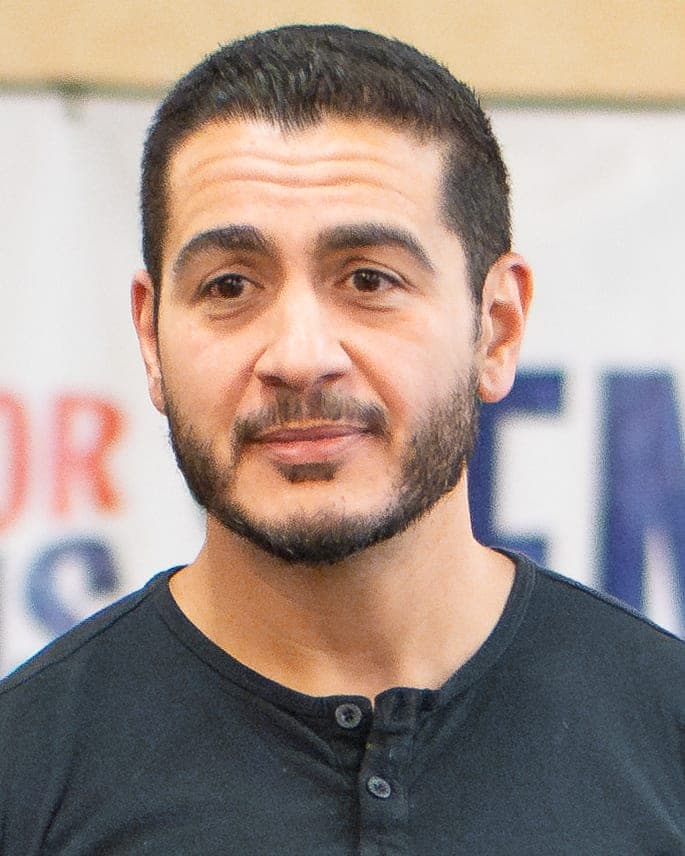
People in this story
SWIPE →
Democratic Senate primary rival who conceded and supported El-Sayed
Republican Senate candidate and El-Sayed’s general-election opponent
Part of a bigger story
6 OUTLETSAbdul El-Sayed won Michigan’s Democratic Senate primary over Haley Stevens and is set to face Republican Mike Rogers in November. Left-leaning outlets frame the result as a progressive challenge to Democratic establishment and outside spending, while also noting El-Sayed’s call for party unity. Center outlets focus on what progressive primary wins might mean and whether the candidates can broaden their appeal in November. Right-leaning outlets center a dispute between El-Sayed and James Carville as a clash between progressive and moderate Democrats.
- ARTICLES
- 6
- OUTLETS
- 6
- AVG CRED
- 70
Discussion · 0
Loading comments…