Army Ranger Jason Crow is pushing to overhaul battlefield trauma care, and the Pentagon is taking notes from foreign war zones
Crow introduced a bipartisan bill to develop military trauma-care partnerships with foreign militaries.

SOURCE CHECK
TAP FOR WHYThe Mary Sue identifies an author and attributes some material to The Hill, a Crow office press release and named sources. The article provides little independent scrutiny or sourcing beyond those statements, limiting confidence in its reporting standards.
- Source type — Recorded as a national news publisher, though this article focuses on a niche policy topic.
- Transparency — The article attributes some background and claims to The Hill and Crow’s office.
- Editorial standards — The article offers little critical examination of the proposal and relies substantially on supportive statements.
- Author attribution — A named author is credited.
The article explains the proposal and includes comments from both co-sponsors and a named medical expert, as well as background on the Joint Trauma System. It does not include skeptics, independent evaluation of the bill, or much detail on how the proposed program would work, and several descriptions are promotional.
HOW WE SCORE ↗The article presents the bill and supportive views from its co-sponsors and a medical expert, but includes no opposing perspective or independent assessment of the proposal’s limitations.
- Counterarguments presented — No critics or counterarguments are included.
- Source diversity — Sources include the bill’s sponsors and a medical expert who endorses the approach, with little independent scrutiny.
- Loaded language — Some descriptions, including “groundbreaking” and “top-tier,” are promotional.
- Opinion vs reporting — Written as news, but the treatment is strongly favorable to the proposal.
The article uses favorable language about the proposal, but does not make a clear left- or right-leaning political argument. Its positive framing concerns the bill’s stated goals rather than partisan positioning.
- Language tone — Uses approving phrases such as “massive step forward” and “top-tier feature.”
- Framing — Frames the measure as improving battlefield medical care without a clear partisan frame.
- Source selection — Quotes the bill’s co-sponsors and a medical expert supportive of the proposal.
Jason Crow and Jeff Crank introduced the bipartisan COMBAT Care Act, which would create military medical training and research partnerships with foreign militaries. The article says a similar provision appears in both versions of the National Defense Authorization Act.
Rep. Jason Crow introduced the COMBAT Care Act with Rep. Jeff Crank on September 25, 2026. The bill would authorize the defense secretary to work with the secretary of state to establish joint training and education programs with foreign militaries, including conferences and professional exchanges focused on battlefield trauma care. Crow said the military must prepare for changes in warfare, citing Ukraine; Crank said the partnerships could help improve treatment options for service members and veterans.
The article describes the bill as building on the Pentagon’s Joint Trauma System, established in 2016, and says an identical provision was included in both the House and Senate versions of the National Defense Authorization Act. It also quotes University of Colorado Anschutz trauma specialist Vik Bebarta in support of international training partnerships.
Community verdict
15 VOTES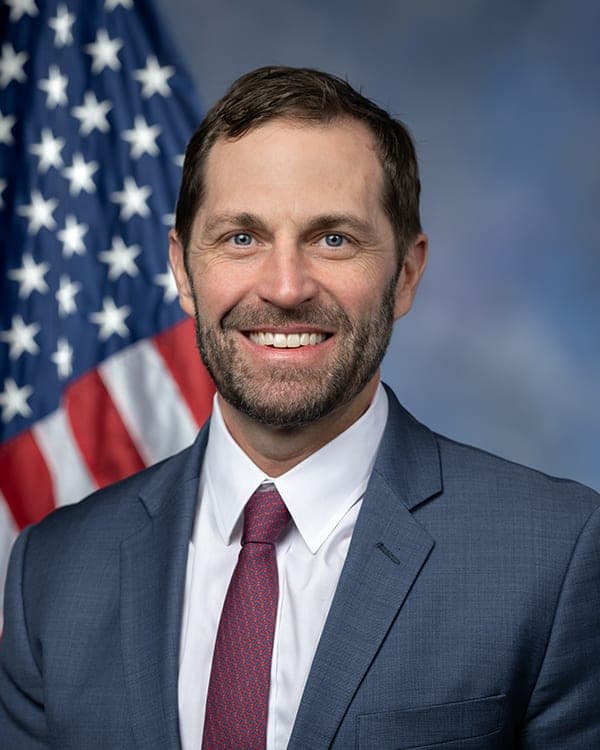
People in this story
SWIPE →Introduced the COMBAT Care Act and advocated for its approach to battlefield trauma care.
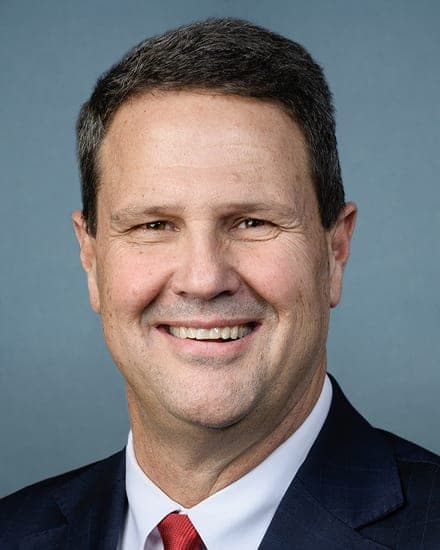
Co-introduced the COMBAT Care Act and voiced support for its research and training partnerships.
Part of a bigger story
2 OUTLETS- ARTICLES
- 2
- OUTLETS
- 2
- AVG CRED
- 67
Discussion · 0
Loading comments…