COMBAT Care Act
Authorizes joint U.S.-foreign military training and research programs on trauma care and battlefield medicine.
In the House Armed Services Committee since Sept. 24, 2026, 12 days after it was introduced. Most bills never leave committee.
- INTRODUCEDINTROSEP 24, 2026
- COMMITTEECOMM.IN COMMITTEE
- HOUSEHOUSE—
- SENATESENATE—
- LAWLAW—
What the bill would do, and why it matters
Military trauma care includes treating injuries and health problems connected to combat. The bill would let the Defense Secretary create joint training and research programs with foreign military forces. Programs could share lessons from past conflicts, coordinate medical practices, and train partners in trauma care and related topics.
- INTRODUCED ONLY This bill has been introduced and possibly referred to a committee, but it has not passed any vote. Most introduced bills never become law — they die in committee without a hearing.
- DATA NOTE No Congressional Research Service summary was available.
- Create joint trauma-care programs
The Secretary of Defense, consulting with the Secretary of State, could establish education and training programs with personnel from the military forces of one or more foreign countries.
- Share combat-care knowledge
Programs could include exchanges of lessons from prior conflicts, joint conferences and professional exchanges, and collaboration on health policy, administration, and medical logistics.
- Coordinate care and build capacity
Programs could support foreign military trauma-care systems and coordinate trauma-care doctrine, data collection, performance improvement, and clinical practices with U.S. and participating foreign military medical services.
- Train partners and pursue research
Programs could provide training on trauma care, combat wound infection, post-traumatic stress disorder, suicide prevention, and noncombat injuries and diseases. They could also support joint research on health effects of new and emerging weapons and methods of warfare.
The bill does not state a specific problem or finding. In practice, it would provide a way for U.S. and foreign military medical services to share trauma-care experience and coordinate medical practices.
Written from the bill text.
The path it took, step by step
- IntroducedSEP 24, 2026HOUSESEP 24, 2026By Rep. Crow with 1 original cosponsorReferred to Armed Services
- SAME DAYNOWHouse committeeSEP 24, 2026ARMED SERVICES NOWSEP 24, 2026In committee for 12 daysNo hearing yet
- 12 DAYS SO FARPassed the House—HOUSE FLOOR—Not scheduled
- Senate committee—SENATE—
- Passed the Senate—SENATE FLOOR—Not scheduled
- Resolve differencesONLY IF NEEDEDBOTH CHAMBERSONLY IF NEEDEDSkipped if the other chamber passes the same text
- Signed into law—PRESIDENT—10 days to sign or veto
- SEP 242026SEP 24, 2026REFERREDHOUSEReferred to the House Committee on Armed Services.
- SEP 242026SEP 24, 2026INTRODUCEDHOUSEIntroduced in House
At day 12, this bill is already older than 3% of the laws passed this Congress were when they were signed.
Where your members stand on it
Support from one state
Plus the sponsor, a Democrat. Every cosponsor is from one party.
Plus the sponsor, a Democrat. Every cosponsor is from one party.
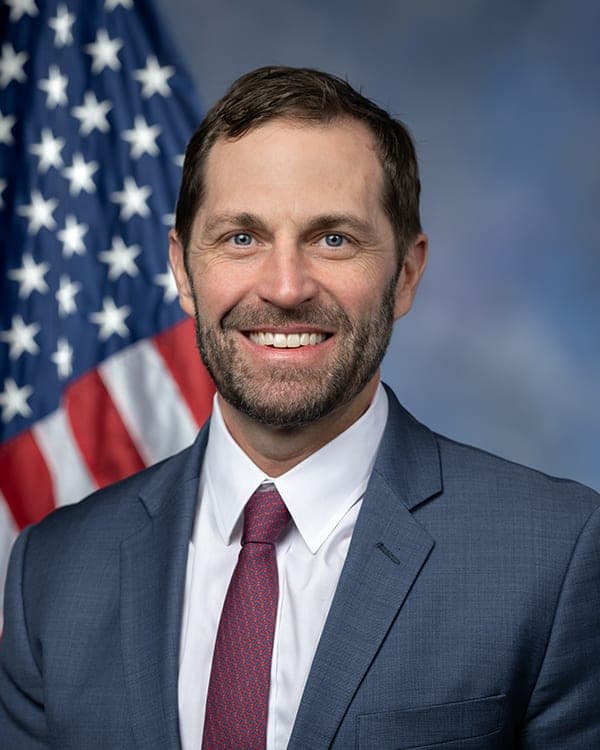
Rep. Crow’s record: sponsored 36 bills this Congress. 0 passed the House; 0 became law.
- Jeff CrankR-CO-5ORIGINAL
Coverage at a glance
Outlets that covered this bill, by their lean.
What readers think
Discussion
Get an alert when it changes stage, gets a floor vote in the House, or is signed into law.