Susan Kokinda Reviews Abdul El-Sayed From Michigan
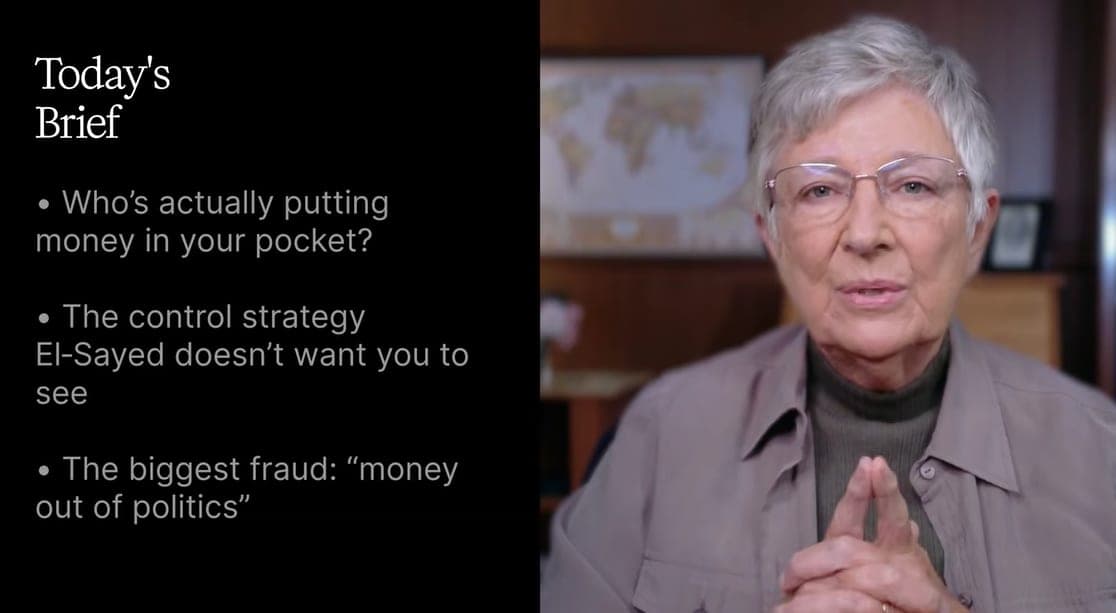
Kokinda criticizes El-Sayed’s campaign slogans and argues that his positions protect the system he denounces.
SOURCE CHECK
TAP FOR WHYThe Last Refuge is a partisan blog, and this short piece offers a strongly persuasive critique with limited sourcing and no visible author attribution. The text provides little evidence of independent reporting or editorial safeguards.
- Source type — A partisan blog is a weaker institutional source than an established newsroom.
- Editorial standards — The text is overtly persuasive and does not show a clear separation between reporting and advocacy.
- Author attribution — The article metadata lists no author, though it names the commentator whose arguments it presents.
The piece identifies the commentator and summarizes her arguments, but offers little supporting documentation, limited attribution beyond her claims, and no meaningful response or counterargument from El-Sayed.
HOW WE SCORE ↗The article is an openly one-sided critique: it advances Kokinda’s arguments and Republican claims without presenting El-Sayed’s response or other counterarguments.
- Counterarguments presented — No response from El-Sayed or opposing perspective is included.
- Loaded language — The opening frames the goal as defeating El-Sayed and the piece uses adversarial characterization.
- Source diversity — The argument is presented through Kokinda’s perspective and claims attributed to Republicans.
The article explicitly urges efforts to defeat a Democratic candidate, uses sharply critical framing, and contrasts his positions with favorable descriptions of Republican claims and policies.
- Framing — Presents El-Sayed as protecting the system he criticizes and frames the dispute as a contest between Rhodes and Lincoln.
- Language tone — Uses strongly disapproving language, including a call to focus efforts on his defeat.
- Source selection — Presents Kokinda’s critique and Republican claims without a countervailing account from El-Sayed.
Susan Kokinda argues that Abdul El-Sayed’s campaign rhetoric against oligarchy conflicts with his policy positions, and the article urges efforts to defeat him in Michigan’s Senate race.
The article says Kokinda and Barbara Boyd are focusing on defeating Abdul El-Sayed, whom it identifies as the winner of Michigan’s Democratic Senate primary. Kokinda argues that El-Sayed criticizes the system while protecting it, and contrasts his campaign slogans with Republican claims about tax relief and jobs from the “Big Beautiful Bill.”
Kokinda also links Detroit’s middle-class decline to economic and trade policies, cites Treasury Secretary Scott Bessent’s “compensate the loser” strategy, and challenges El-Sayed’s framing of AIPAC’s influence by pointing to funding from foundations and NGOs. She connects El-Sayed’s Rhodes Scholar background to a broader “Rhodes versus Lincoln” argument.
Community verdict
2 VOTES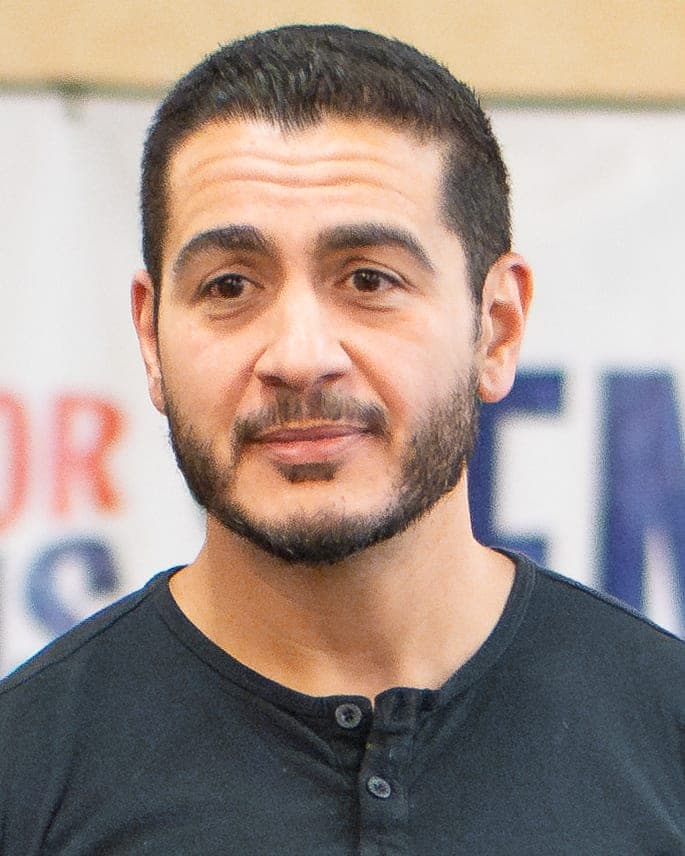
People in this story
SWIPE →
President referenced in El-Sayed’s campaign framing
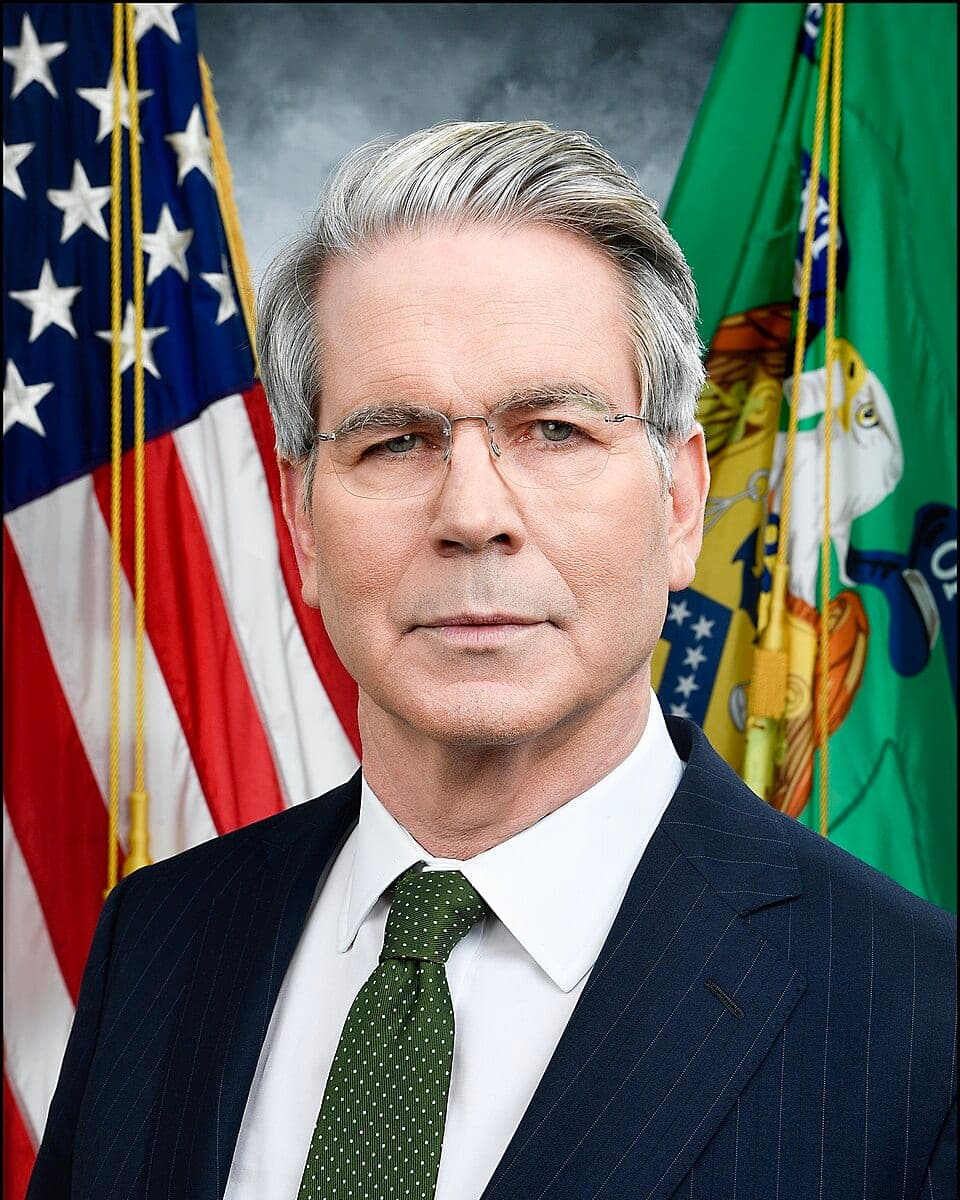
Treasury secretary cited for an economic strategy
Part of a bigger story
8 OUTLETSAbdul El-Sayed won Michigan’s Democratic Senate primary, and Barack Obama reached out to him afterward. Center outlets report on Obama’s outreach and attacks from Trump and allies while weighing the race’s electoral stakes. Right-leaning outlets emphasize criticism of El-Sayed’s progressive policies and whether they could hinder broader Democratic appeal or unity.
- ARTICLES
- 8
- OUTLETS
- 8
- AVG CRED
- 60
Discussion · 0
Loading comments…