US Senate candidate El-Sayed dodges audience request to condemn IRGC
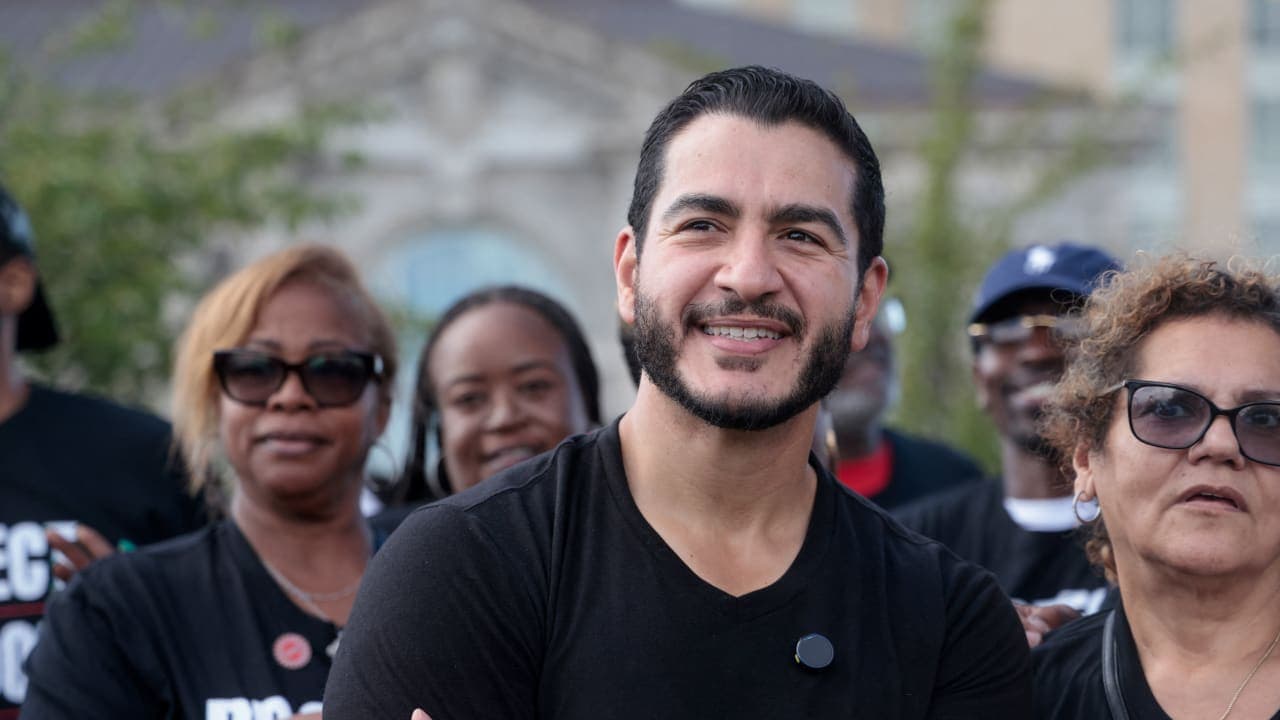
At a University of Michigan town hall, El-Sayed defended his opposition to U.S. regime-change efforts without directly condemning the IRGC.
SOURCE CHECK
TAP FOR WHYThe Jerusalem Post is an established news publisher with an identifiable author, and the article includes direct quotations from the event. Its presentation relies heavily on one attendee’s challenge and a politically branded social media post, with limited independent context.
- Source type — Established international news publisher.
- Source diversity — Includes the candidate’s remarks and the attendee’s challenge, but offers little independent context.
- Author attribution — The article names an author.
The article provides direct quotations from the town hall and attributes the attendee’s claims, but it offers limited sourcing and context beyond the exchange and a social media post criticizing the candidate.
HOW WE SCORE ↗The article includes El-Sayed’s explanation of his position, but the exchange is framed around an attendee’s challenge and the candidate’s failure to answer it directly. It supplies little broader context or independent perspective.
- Source diversity — The exchange and a critical social media post dominate the sourcing.
- Counterarguments presented — The candidate’s stated opposition to regime change is included, but not additional arguments or context.
- Omitted context — The article provides limited context about the candidate’s prior remarks or the broader policy debate.
- Loaded language — The headline’s use of “dodges” adopts a critical characterization.
The headline frames El-Sayed’s response as evasion, and the article foregrounds an attendee’s criticism and a politically branded attack post. It also includes substantial direct quotations explaining El-Sayed’s position.
- Headline — The headline characterizes the candidate as dodging a request.
- Framing — The article emphasizes the failure to directly condemn the IRGC.
- Source selection — The account criticizing El-Sayed appears alongside the attendee’s challenge; no additional independent perspective is included.
- Language tone — The framing is critical, though the candidate’s own remarks are quoted at length.
At a University of Michigan town hall, Senate candidate Abdul El-Sayed did not directly condemn the Islamic Revolutionary Guard Corps when an attendee asked him to do so. He instead discussed his opposition to U.S. regime-change efforts and military intervention abroad.
An attendee challenged El-Sayed about his past silence on Iran’s crackdown and asked whether he would condemn the IRGC. The attendee described family members’ experiences under Iranian authorities and referred to reported remarks by El-Sayed about the death of Iran’s supreme leader.
El-Sayed said he supports freedom and democracy movements but opposed U.S. war to topple Iran’s government, arguing that the United States should not pursue regime change and that such efforts can serve corporate interests. The article reports that he did not directly answer the request to condemn the IRGC.
Community verdict
8 VOTES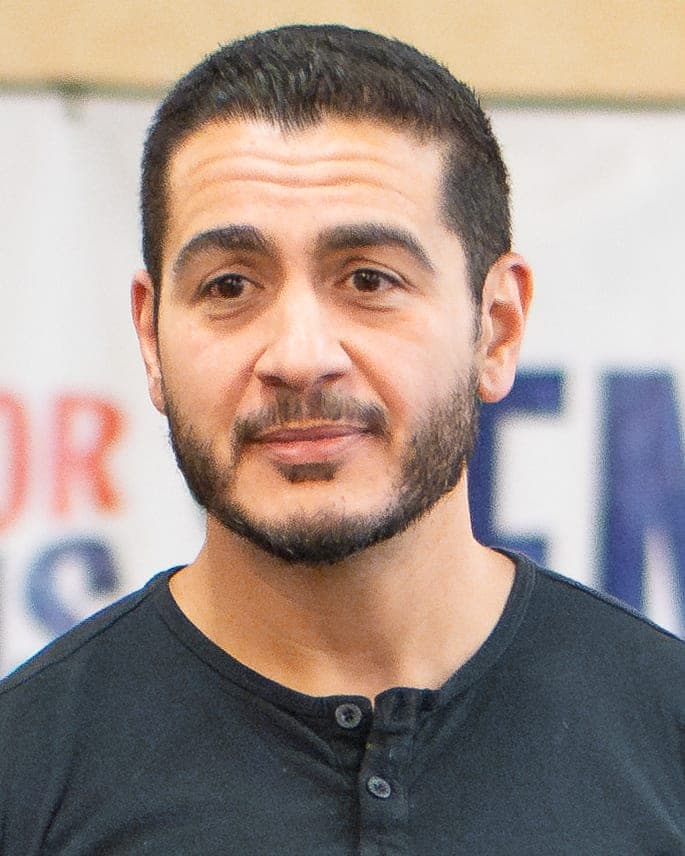
People in this story
SWIPE →Michigan Senate candidate responding to an audience member at a town hall
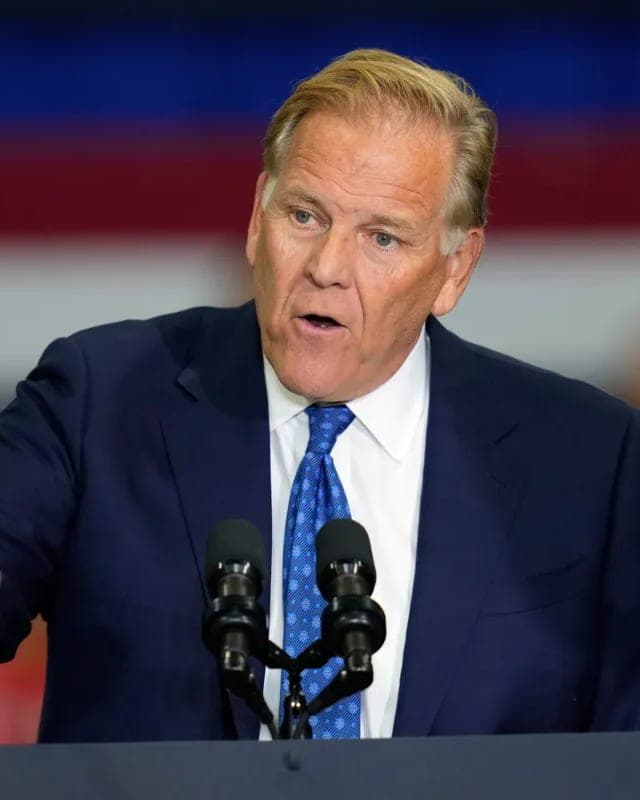
Michigan Senate candidate named in the title of a social media account criticizing El-Sayed
Discussion · 0
Loading comments…