Once a Target of TrackAIPAC, Ro Khanna Gains Its Endorsement
Khanna signed TrackAIPAC’s pledge and received an endorsement after previously being given the group’s red anti-endorsement card.

SOURCE CHECK
TAP FOR WHYThe Intercept is an established nonprofit news outlet that publishes original reporting and identifies its author and sources. Its investigative focus and editorial perspective merit some caution, but the article attributes key claims and includes a critical perspective on TrackAIPAC’s approach.
- Source type — An established national nonprofit news outlet with a recognizable investigative focus.
- Author attribution — The article names its reporter and attributes statements to Khanna, TrackAIPAC representatives, and a political consultant.
- Editorial standards — The reporting distinguishes sourced claims and quotations, while the outlet’s distinct editorial perspective warrants some caution.
- Transparency — The article identifies its principal sources and says the endorsement was first reported by The Intercept.
The article uses named sources, provides relevant background on Khanna’s prior record and TrackAIPAC’s methods, and includes a critic’s concerns about the pledge. It relies substantially on statements from the group and Khanna and offers limited independent evidence for some broader claims about the group’s political influence.
HOW WE SCORE ↗The article offers Khanna’s explanation, TrackAIPAC’s rationale, and a consultant’s concerns about the group’s methods and the pledge’s electoral consequences. It does not provide a substantial response from AIPAC or another advocate for the positions being challenged.
- Source diversity — Includes statements from Khanna, TrackAIPAC representatives, and a consultant critical of the group’s methodology.
- Counterarguments presented — Raises concerns about confusing rating methods, pledge enforcement, and possible electoral costs.
- Omitted context — Does not include a substantial response from AIPAC or advocates for the opposing policy position.
- Loaded language — Some politically charged characterizations appear, mostly as attributed statements or descriptions of the debate.
The article is reported in a generally factual style but gives substantial space to pro-Palestinian advocacy and frames Khanna’s shift in that context. It also includes criticism of TrackAIPAC’s methods and concerns about the pledge’s political effects.
- Framing — The story centers a pledge opposing unconditional support for Israel and presents Khanna’s shift as significant.
- Source selection — Khanna and TrackAIPAC are prominent sources, though a consultant critical of the group’s methodology is also quoted.
- Language tone — Most claims are attributed, but some descriptions adopt the language of the debate over Israel and Gaza.
- Omission — The story gives limited space to perspectives defending AIPAC or opposing the pledge’s policy positions.
Ro Khanna signed TrackAIPAC’s PEACE pledge on June 10, and the group endorsed him after previously giving him a red anti-endorsement card. The story describes his changing positions on Israel and Palestine and the group’s growing role in Democratic politics.
TrackAIPAC endorsed Rep. Ro Khanna after he signed its PEACE pledge, which calls on candidates to reject contributions from AIPAC and aligned groups and oppose military aid to countries whose security forces violate human rights. Khanna said the pledge reflected his opposition to the genocide in Gaza and his commitment to voting against such future military assistance. TrackAIPAC had given him a red card in 2024 and later urged him to keep improving his legislative record on Israel-Palestine issues.
The article describes Khanna’s earlier support for pro-Israel House resolutions and his later criticism of Israel, including votes and sponsorships on related measures. TrackAIPAC’s founders described the pledge as a way for lawmakers to change course, while political consultant Adam Carlson questioned whether it would shift the broader political dynamic and warned that pledge enforcement could create risks for candidates in swing districts.
Community verdict
15 VOTES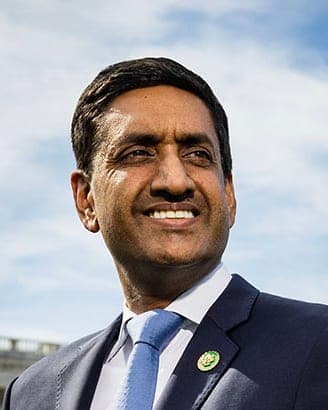
Counts every outlet’s report of this story. See all 2
Votes cast on this page
Votes cast on this page: ▲ 0 · ◆ 0 · ▼ 0
People in this story
SWIPE →
Pennsylvania House candidate whose primary victory is cited

New Jersey House candidate whose primary victory is cited

Representative cited as having a positive TrackAIPAC rating
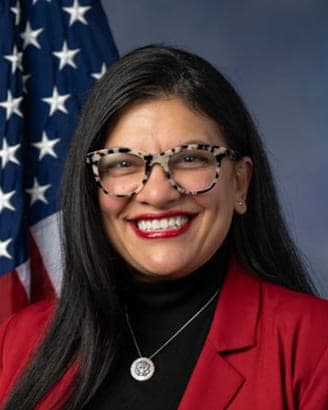
Representative who introduced resolutions on Gaza and the Nakba

California House candidate whose primary victory is cited
Part of a bigger story
2 OUTLETS- ARTICLES
- 2
- OUTLETS
- 2
- AVG CRED
- 66
Discussion · 0
Loading comments…