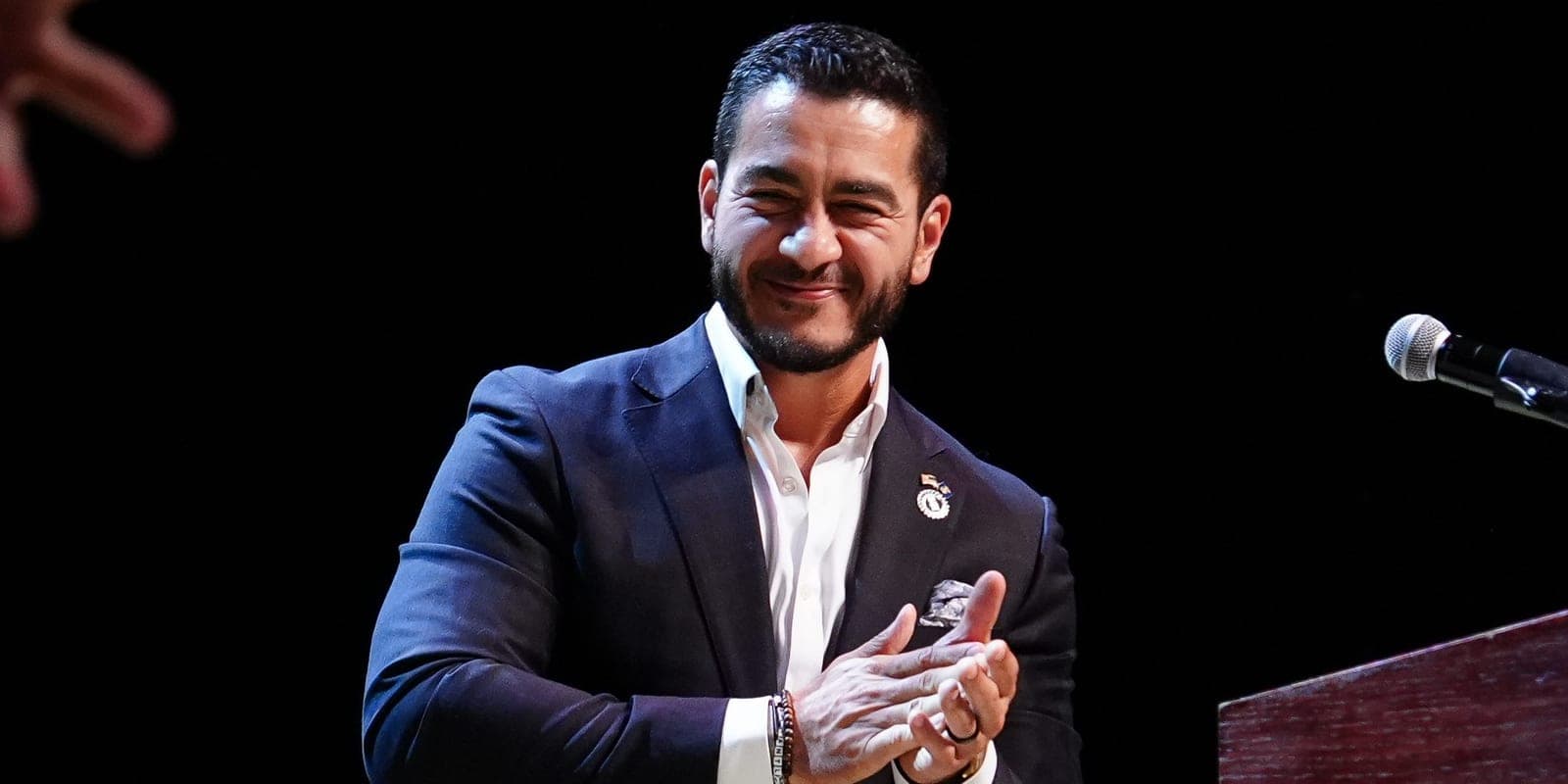
Abdul El-Sayed Beats the Democratic Establishment and AIPAC in Michigan
El-Sayed won Michigan’s Democratic Senate primary and now faces Republican Mike Rogers in the general election.
SOURCE CHECK
TAP FOR WHYThe Intercept is an established national outlet with a record of original reporting, but its strongly progressive orientation warrants some caution about framing and source selection. The article identifies its author and attributes the primary result to the Associated Press.
- Track record — Established outlet with a record of original investigative and political reporting.
- Editorial standards — Publishes reported work, though its progressive editorial orientation is pronounced.
- Author attribution — The article names its author and attributes the race call to the Associated Press.
- Source type — National news outlet; this is a strong starting point, not a guarantee of neutrality.
The article includes specific spending figures, quotes from political figures and opposing campaign perspectives, and attributes the primary call to the Associated Press. Its interpretation is strongly sympathetic to El-Sayed and progressive politics, with limited independent examination of disputed claims or the opposing campaign’s case.
HOW WE SCORE ↗The article includes Stevens’s position on military aid and criticism of El-Sayed’s electability, as well as comments from a Stevens surrogate and Rogers. However, the overall account is built around the progressive case for the result and gives limited space to competing arguments or scrutiny of the article’s own claims about campaign spending and advertising.
- Counterarguments presented — Reports criticism of El-Sayed’s electability and Stevens’s opposition to conditioning aid, but does not develop those arguments at comparable length.
- Loaded language — Several descriptions frame the establishment, AIPAC and the ads in strongly critical terms.
- Source diversity — Includes voices from both sides, but progressive figures and viewpoints dominate.
- Omitted context — Offers limited independent context for disputed claims and the opposing campaign’s case.
The article strongly favors the progressive interpretation of the primary, presenting El-Sayed’s victory as a repudiation of establishment politics and AIPAC. Its language and selection of context are notably critical of Stevens, AIPAC and mainstream political approaches.
- Language tone — Uses emphatic characterizations, including describing the result as a staggering illustration of establishment decline.
- Framing — Frames the result chiefly as a victory for the progressive left and a setback for AIPAC and party insiders.
- Source selection — Relies heavily on progressive voices and gives comparatively little space to the opposing campaign’s rationale.
- Headline — The headline casts the result as El-Sayed beating the Democratic establishment and AIPAC.
Abdul El-Sayed won Michigan’s Democratic Senate primary over Rep. Haley Stevens, despite major outside spending backing Stevens. The result makes El-Sayed the Democratic nominee for a general election race that the article describes as a significant test for the party’s progressive wing.
The article reports that El-Sayed defeated Stevens by about one percentage point in a primary that the Associated Press called in his favor. It says pro-Stevens super PACs spent about $60 million, including $30 million from AIPAC’s United Democracy Project on attack ads. The article presents El-Sayed’s win as evidence of growing influence for the Democratic left and declining influence for party leaders and pro-Israel lobby groups.
El-Sayed campaigned on affordability, health care and limiting corporate political spending, and criticized U.S. military aid to Israel. Stevens opposed conditioning that aid. After the primary, Stevens, Sen. Chuck Schumer and Sen. Kirsten Gillibrand endorsed El-Sayed. The article says he now faces Republican Mike Rogers in the general election and describes the race as a consequential test for Democrats.
Community verdict
12 VOTES
People in this story
SWIPE →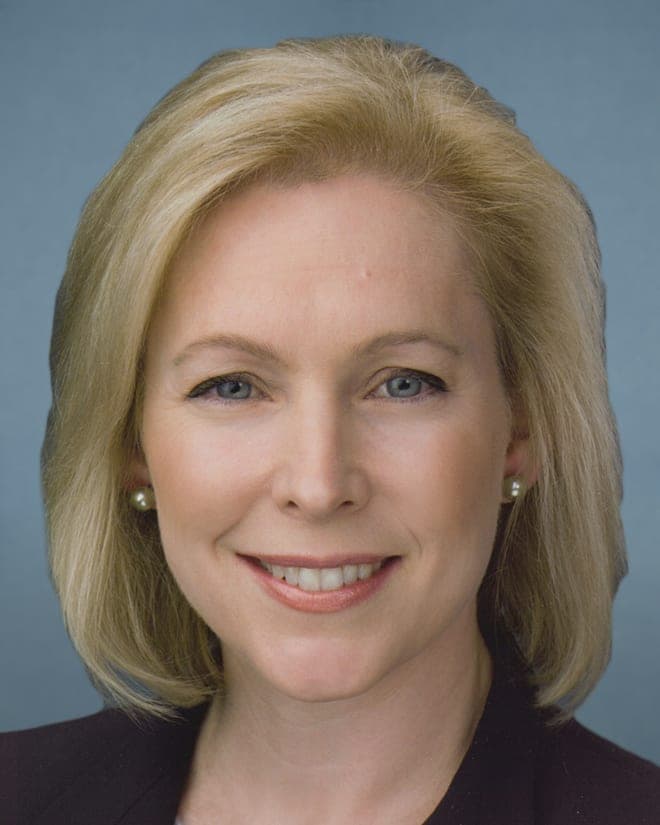
Senator and Democratic Senatorial Campaign Committee chair who endorsed El-Sayed
Democratic House candidate who won his primary

Representative and defeated Democratic Senate primary candidate
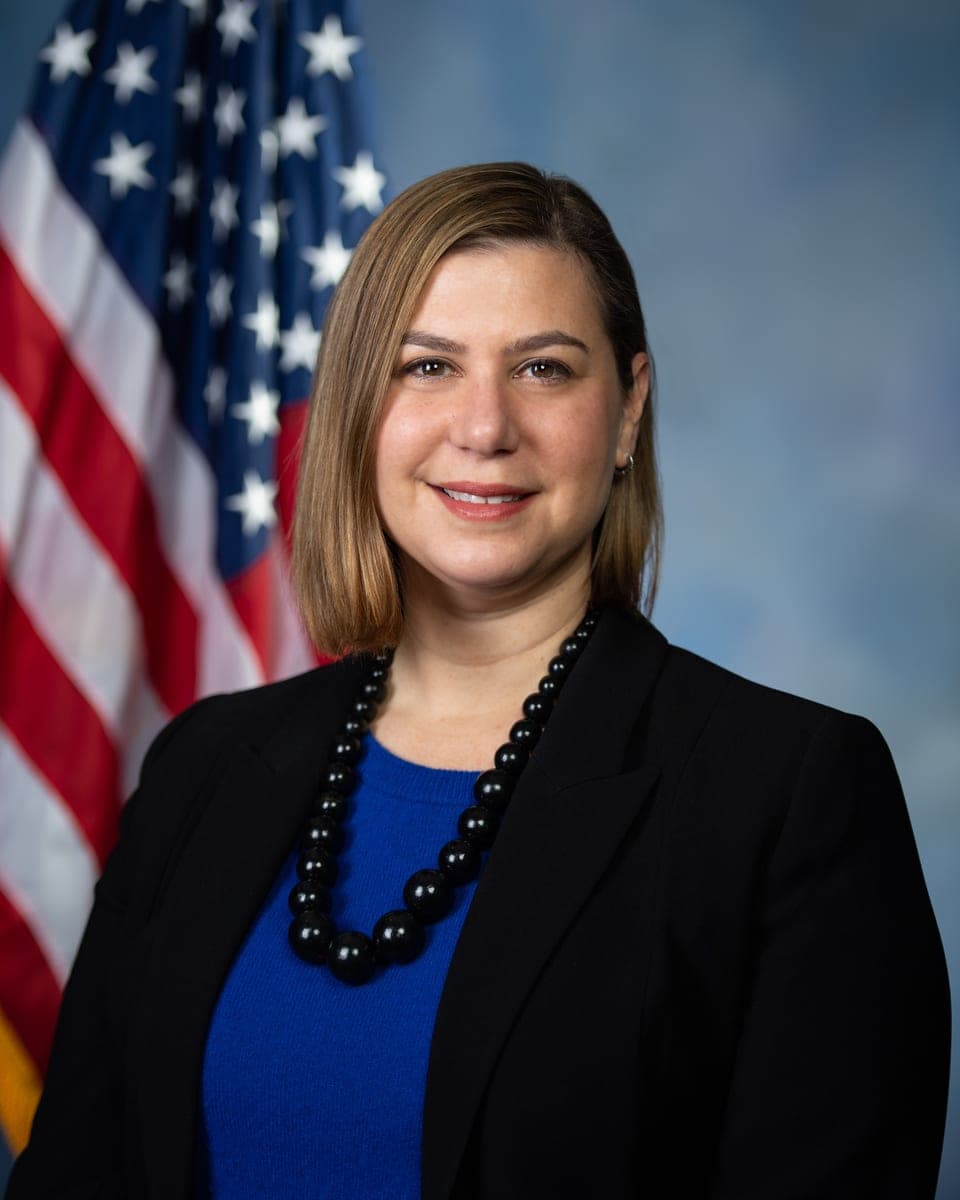
Senator cited as the previous holder of a House district
Former Democratic Senate candidate who endorsed El-Sayed

President who endorsed Mike Rogers
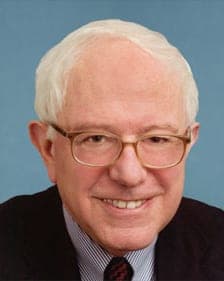
Senator who endorsed El-Sayed
Republican Senate candidate and El-Sayed’s general-election opponent
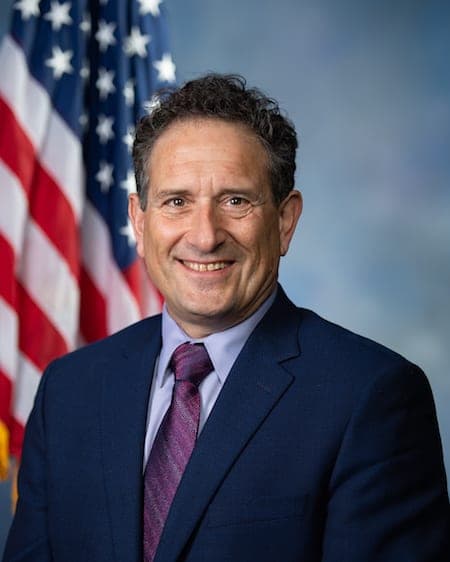
Former representative and El-Sayed supporter quoted on the race
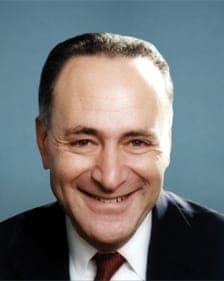
Senator and Democratic minority leader who endorsed El-Sayed
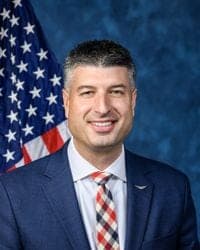
Representative and Republican opponent of William Lawrence
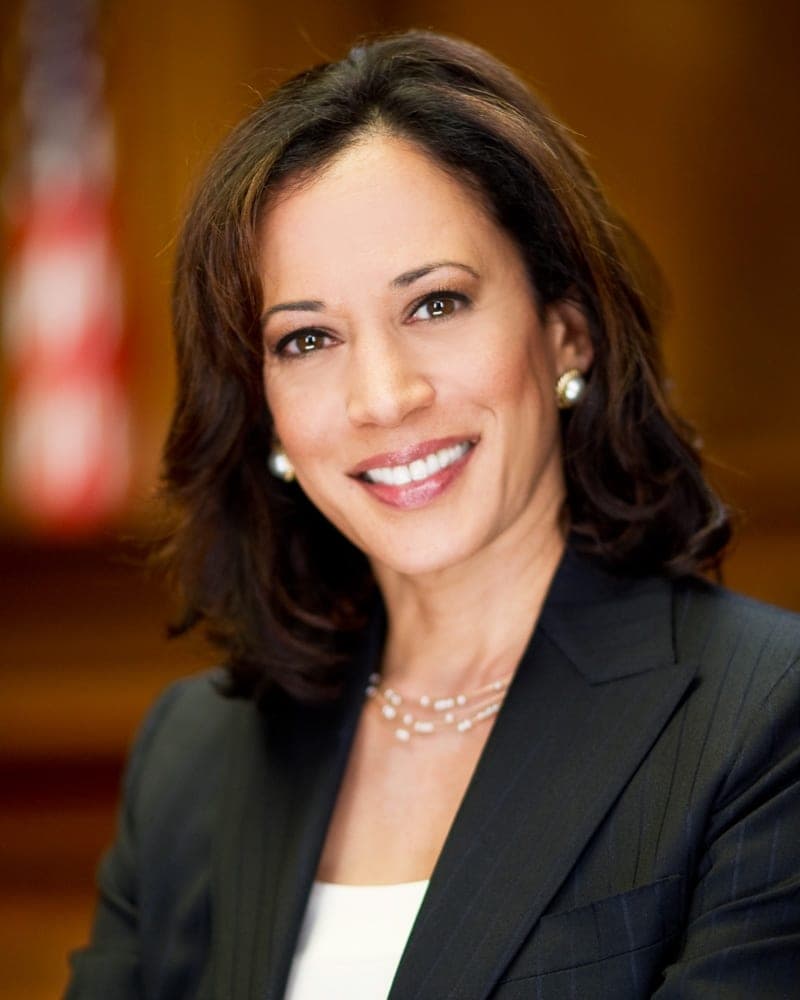
Former Democratic presidential candidate mentioned in the 2024 election context
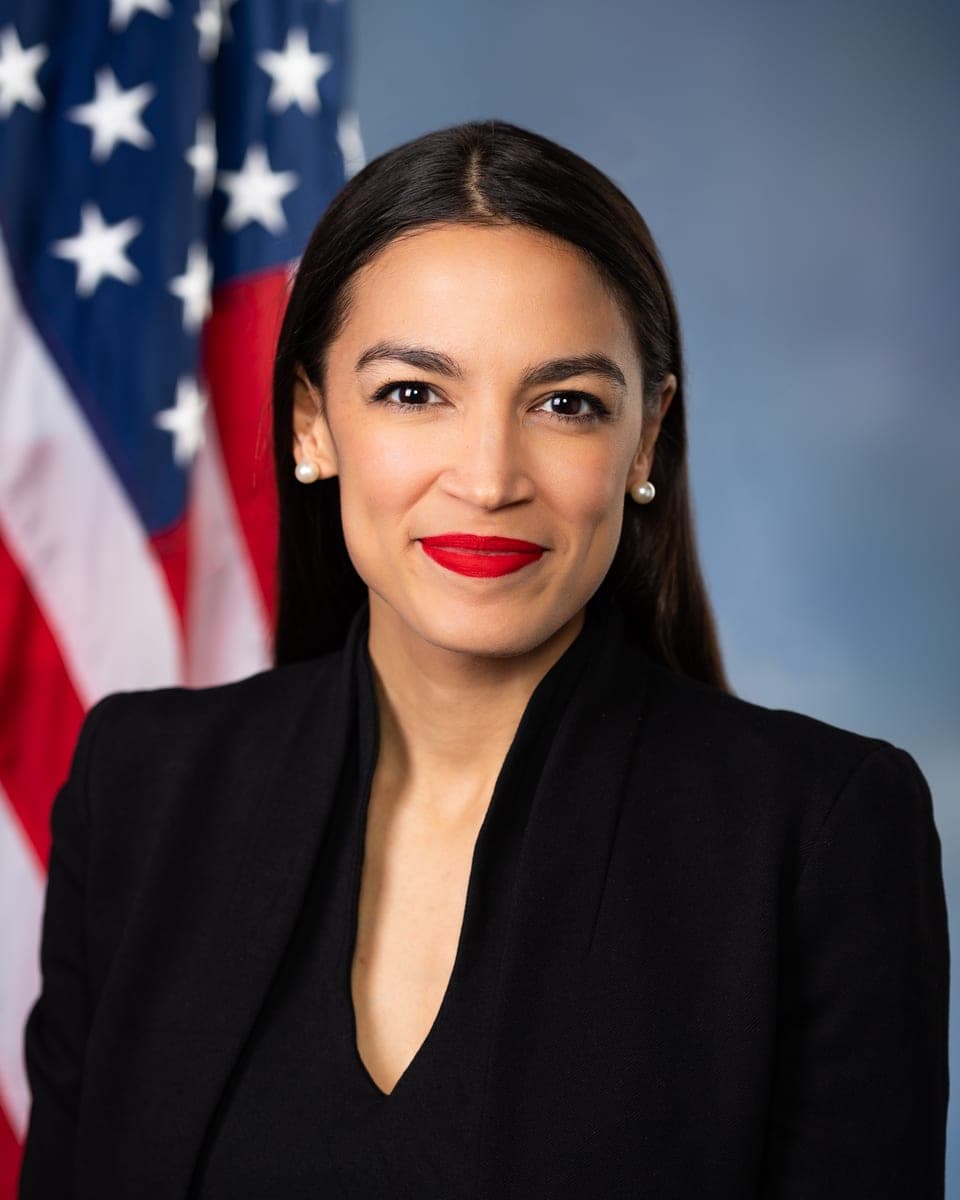
Representative who endorsed El-Sayed
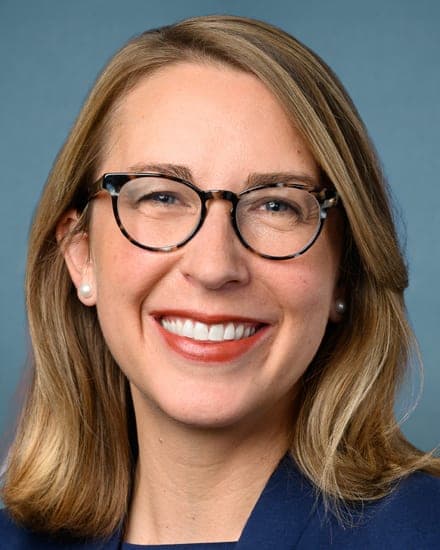
Representative and Stevens surrogate who criticized El-Sayed
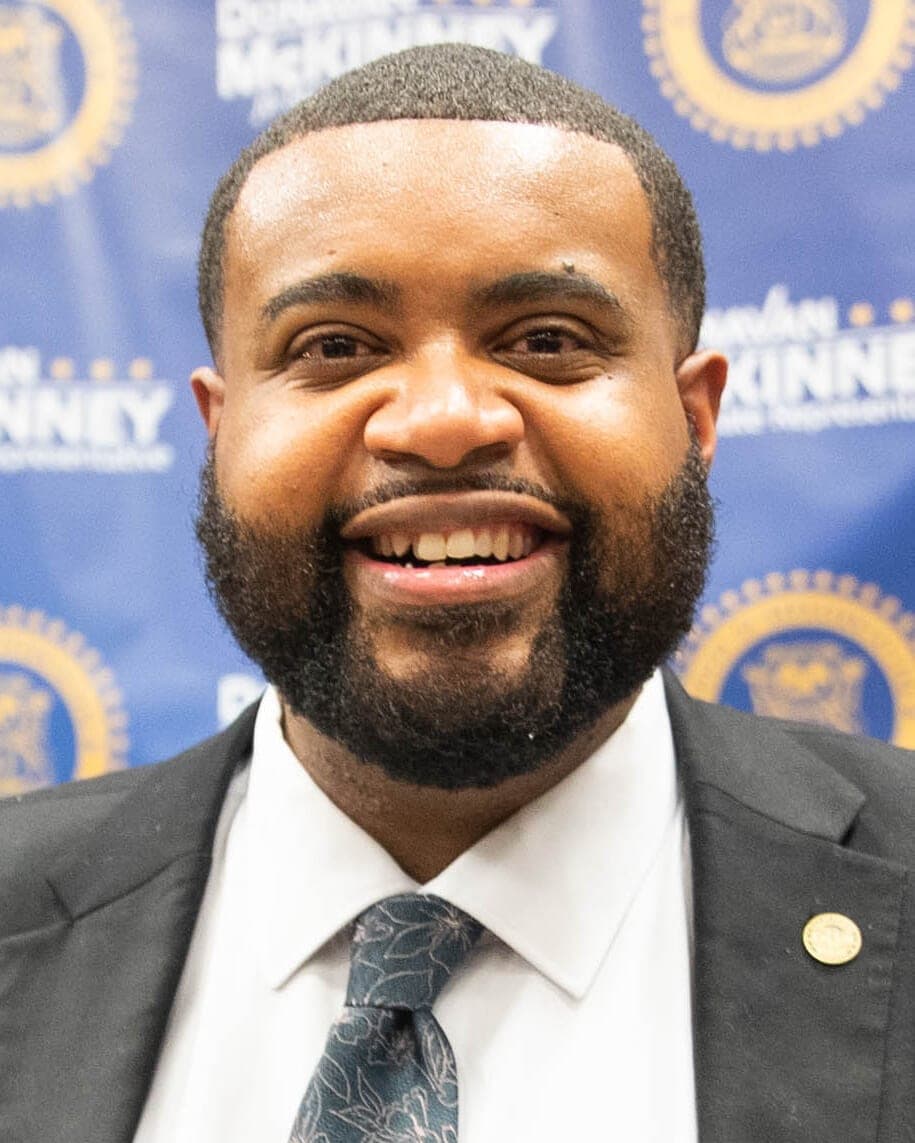
Michigan state representative and Democratic House candidate who won his primary
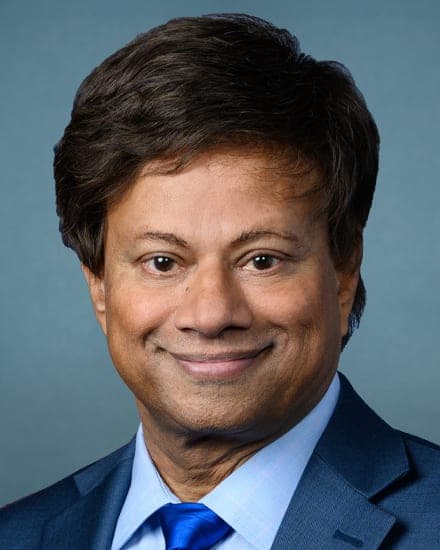
Representative defeated by Donavan McKinney in a primary
Michigan Democratic Party chair present at El-Sayed’s press conference
Part of a bigger story
41 OUTLETSOutlets agree that Abdul El-Sayed won Michigan’s Democratic Senate primary over Haley Stevens and will face Republican Mike Rogers in November. Left-leaning outlets frame the result as a progressive win and a test of the Democratic Party’s direction, while later coverage highlights El-Sayed’s response to Trump. Center outlets focus on the nomination, party unity and the November matchup, including questions about El-Sayed’s appeal. Right-leaning outlets emphasize criticism of his positions and portray the nomination as an opening for Republicans.
- ARTICLES
- 45
- OUTLETS
- 41
- AVG CRED
- 65
Discussion · 0
Loading comments…