Trump ally pressed on Obama and El-Sayed trend: 'Trying to say, hint hint, he's Muslim?'
El-Sayed compared the use of his full name to past attacks on Barack Obama and defended his association with Hasan Piker.
SOURCE CHECK
TAP FOR WHYThe Independent is an established international news outlet with an identifiable byline and editorial operation. The article attributes its central claims to interviews and named sources, though the text provides limited independent evidence about the ads’ intent.
- Source type — Established international news publisher; a strong but not top-tier wire-service prior.
- Editorial standards — The outlet operates as a professional newsroom, though the article uses some interpretive phrasing.
- Author attribution — A named reporter is credited.
- Transparency — The piece identifies interviewees and attributes key statements to them.
The article includes remarks from Scott and El-Sayed and identifies the campaign context, while also describing criticism from supporters and opponents. It offers little direct evidence about the ads’ intent and relies substantially on competing political characterizations.
HOW WE SCORE ↗The piece presents Scott’s denial and criticisms of El-Sayed, as well as El-Sayed’s response and claims by his supporters. Its framing and lack of direct evidence for the ads’ intent give more weight to the criticism of the Republican messaging than to Scott’s explanation.
- Counterarguments presented — Scott denies targeting El-Sayed’s background and offers criticisms of his positions and associations.
- Source diversity — The story draws on interviews with both candidates and describes claims from supporters and opponents.
- Loaded language — Some descriptions, including “obviously bigoted undertones,” present an evaluative framing.
- Omitted context — The article does not show the ads or provide independent evidence about their purpose.
The report foregrounds the possibility that the ads invoke anti-Muslim bias and uses critical language about Republican tactics. It also includes Scott’s denial and his criticisms of El-Sayed, but the overall framing favors the candidate’s account of the controversy.
- Framing — The article centers the question of whether the ads highlight El-Sayed’s Muslim faith and Arab-American background.
- Language tone — Phrases such as “obviously bigoted undertones” and “snarky comment” add interpretive framing.
- Source selection — Scott’s defense appears, alongside El-Sayed’s response and criticism from his supporters.
- Omission — The article does not provide direct evidence establishing the ads’ intent.
Sen. Tim Scott was challenged over Republican ads emphasizing Abdul El-Sayed’s full name; Scott denied targeting his religious or ethnic background and criticized El-Sayed’s positions. El-Sayed compared the tactic to past attacks on Barack Obama and defended his association with Hasan Piker.
Scott was asked whether Republican ads highlighting Abdul El-Sayed’s full name were intended to call attention to El-Sayed’s Arab-American heritage and Muslim faith. Scott denied that was the purpose, but offered no alternative explanation for using the name and called El-Sayed “dangerous,” citing his views and association with Hasan Piker.
El-Sayed compared the use of his full name to tactics directed at Barack Obama and said Obama’s 2008 candidacy influenced his belief that a person with an Arabic name could succeed in American politics. He also declined to disavow Piker and criticized what he called “cancel culture.” El-Sayed narrowly won Michigan’s Senate primary and is set to face Trump-endorsed Mike Rogers in November, according to the article.
Community verdict
10 VOTES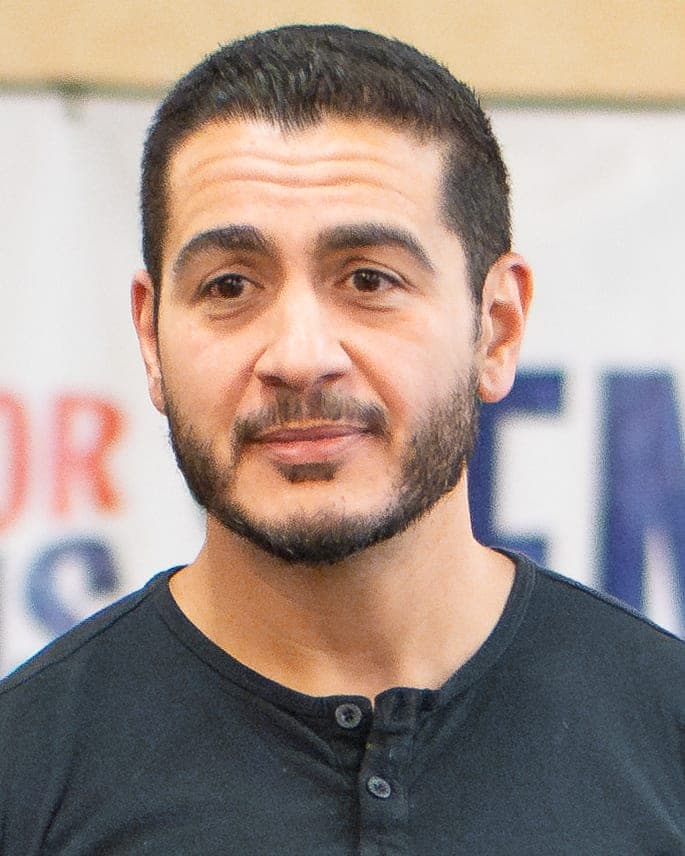
People in this story
SWIPE →Senate candidate responding to Republican ads and criticism of his associations
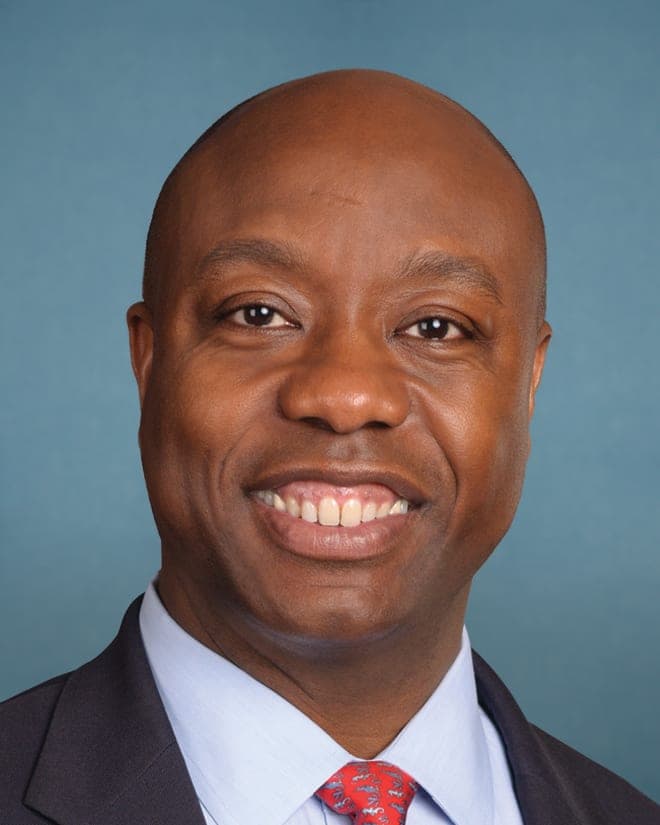
Senator and head of the Senate Republican campaign arm, defending ads targeting Abdul El-Sayed
Scott's version of this story ↗Former senator cited as having corrected a supporter’s anti-Muslim claim about Obama
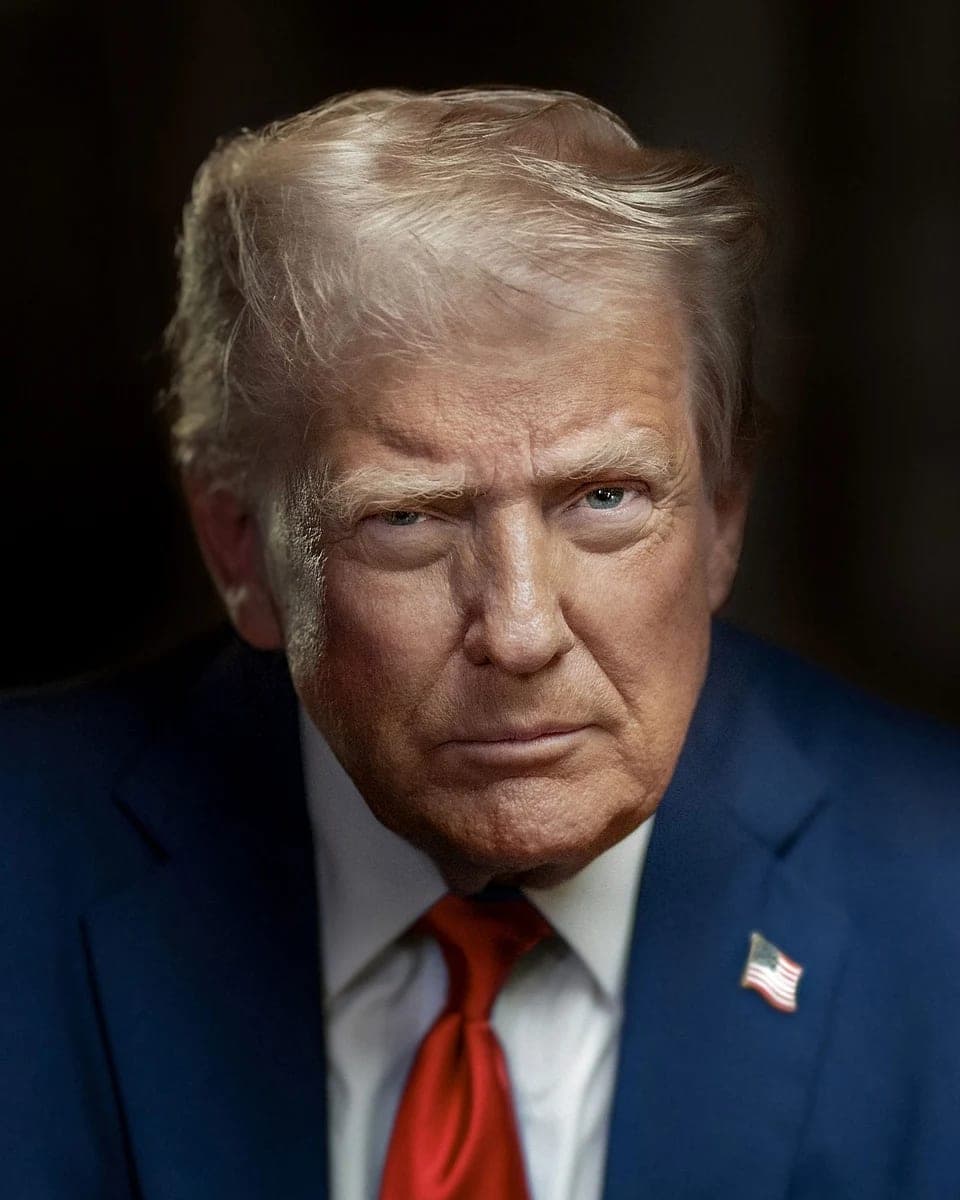
President whose social media post is discussed
Republican Senate candidate and El-Sayed’s general-election opponent
Part of a bigger story
15 OUTLETSAfter winning Michigan’s Democratic Senate primary, Abdul El-Sayed faced questions about his association with Hasan Piker and Piker’s past 9/11 remark. Center outlets emphasize El-Sayed’s rejection of the remark and distinguish his views from Piker’s, with PolitiFact examining Mike Rogers’s claim. Right-leaning outlets frame El-Sayed’s association with Piker and his answers about distancing himself as a political liability, emphasizing criticism from opponents.
- ARTICLES
- 18
- OUTLETS
- 15
- AVG CRED
- 61
Discussion · 0
Loading comments…