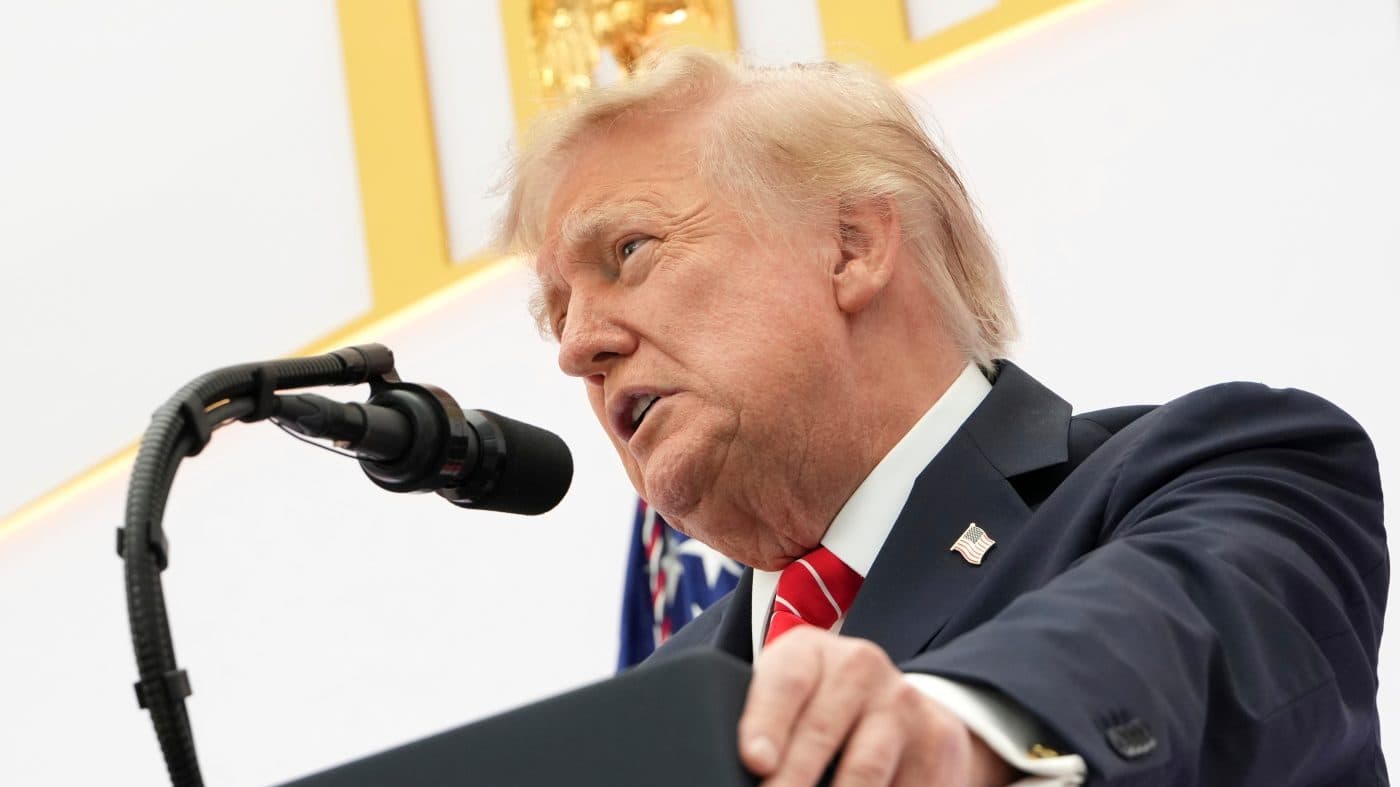
Trump rips El-Sayed after Michigan Senate debate
El-Sayed responded to Trump’s post and challenged Rogers during their Senate debate.
SOURCE CHECK
TAP FOR WHYThe Hill is an established national-news publisher, and the article identifies its author. The story attributes its central claims to social media posts and debate remarks, though it offers limited reporting beyond those statements.
- Source type — An established national-news outlet, a positive institutional credibility signal.
- Author attribution — A named author is identified.
- Transparency — The central statements are attributed to their speakers and platforms.
The article quotes and attributes statements from Trump, El-Sayed and Rogers, providing multiple sides of the dispute. It is brief and relies heavily on the participants’ own remarks, with little independent context or corroboration.
HOW WE SCORE ↗The article includes Trump’s criticism, El-Sayed’s response and Rogers’s account of his debate positions. It provides limited independent context or broader perspectives on the claims.
- Counterarguments presented — El-Sayed’s response and Rogers’s reported disagreements with the administration appear alongside Trump’s attack.
- Source diversity — The account draws on statements from the three central political figures but no independent sources.
- Omitted context — The article does not independently assess the claims or provide much context about the debate.
The article reports the candidates’ and president’s statements with attribution and does not clearly endorse a political side. The headline’s verb “rips” is forceful but describes the reported criticism.
- Language tone — The narration is mostly straightforward; inflammatory language appears in attributed quotations.
- Source selection — The story includes remarks from Trump, El-Sayed and Rogers.
- Headline — “Rips” is vivid but does not by itself indicate partisan alignment.
After a Michigan Senate debate, President Trump attacked Abdul El-Sayed in a social media post, using the name “Mohammed” and accusing him of being a “Jihadist lunatic.” El-Sayed said Trump was using his name and faith to distract from costs, while Mike Rogers pointed to disagreements with the administration.
President Trump criticized Michigan Senate candidate Abdul El-Sayed after El-Sayed debated Republican opponent Mike Rogers. Trump praised Rogers and accused El-Sayed of hating the country and making deceitful statements, while repeatedly referring to him as “Mohammed.”
El-Sayed said Trump knows his name is Abdul and uses his name and Muslim faith to distract from the effects of the administration’s policies on costs. During the debate, El-Sayed accused Rogers of being a “rubber stamp” for Trump; Rogers cited his call to end the trade war with Canada and said the federal immigration crackdown had gone too far at times.
Community verdict
12 VOTES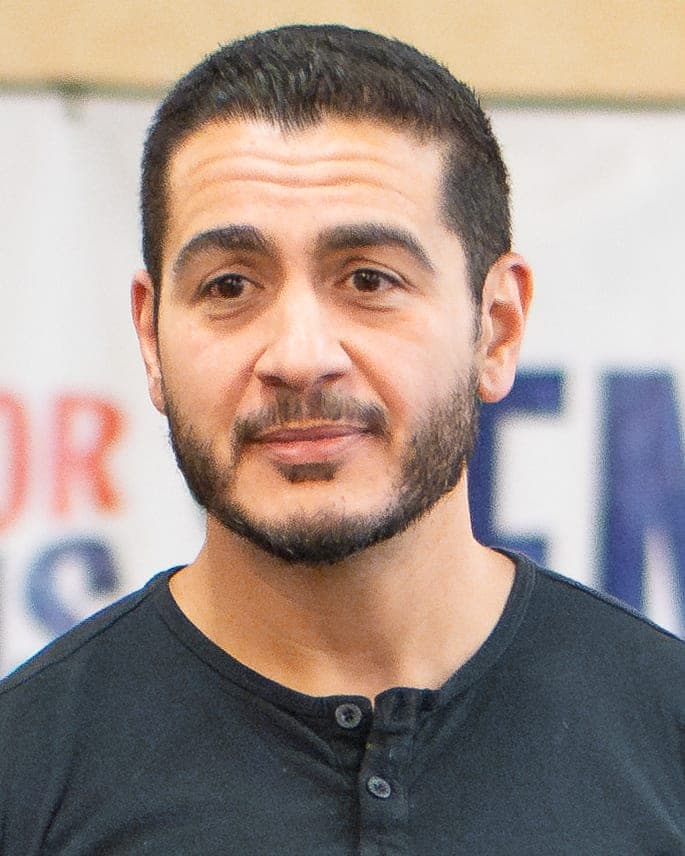
Counts every outlet’s report of this story. See all 4
Votes cast on this page
Votes cast on this page: ▲ 0 · ◆ 0 · ▼ 0
People in this story
SWIPE →
President who attacked El-Sayed after the debate
Trump's version of this story ↗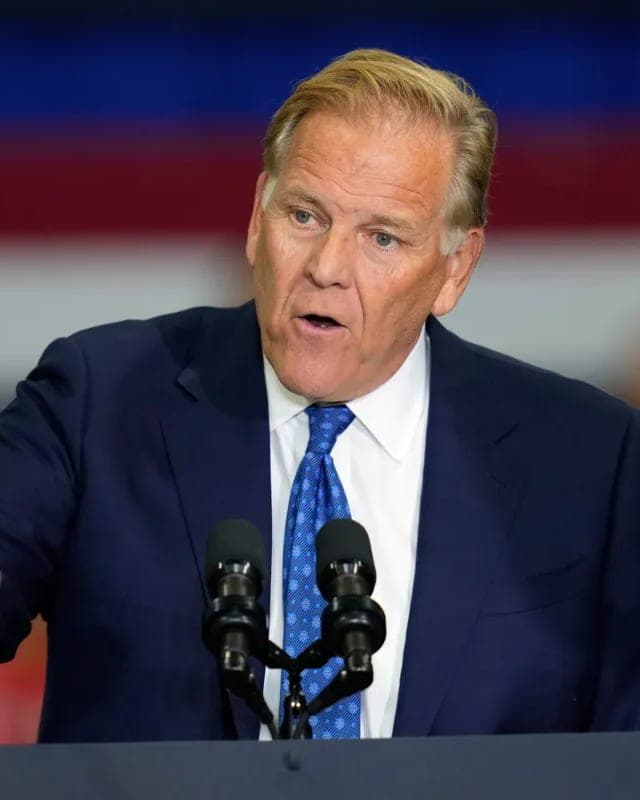
Republican Michigan Senate candidate and El-Sayed’s debate opponent
Part of a bigger story
4 OUTLETSMike Rogers and Abdul El-Sayed debated in Michigan’s Senate race. Afterward, Donald Trump attacked El-Sayed in a social media post. Left-leaning outlets frame Trump’s post as an escalation of attacks on El-Sayed and emphasize an allegation about his mother. Center outlets focus on the debate exchanges and candidates’ positions, while also reporting Trump’s post and El-Sayed’s response.
- ARTICLES
- 4
- OUTLETS
- 4
- AVG CRED
- 77
- HuffPost · Trump’s Analysis Of Michigan Senate Debate Takes Hate To Undebatable High
- CNN · ‘Con man’ and ‘cowardly’: Personal insults fly in heated Michigan, Georgia, Maine Senate debates
- The Washington Times · Rogers and El-Sayed are set for their first debate in Michigan's Senate race after online sparring
Discussion · 0
Loading comments…