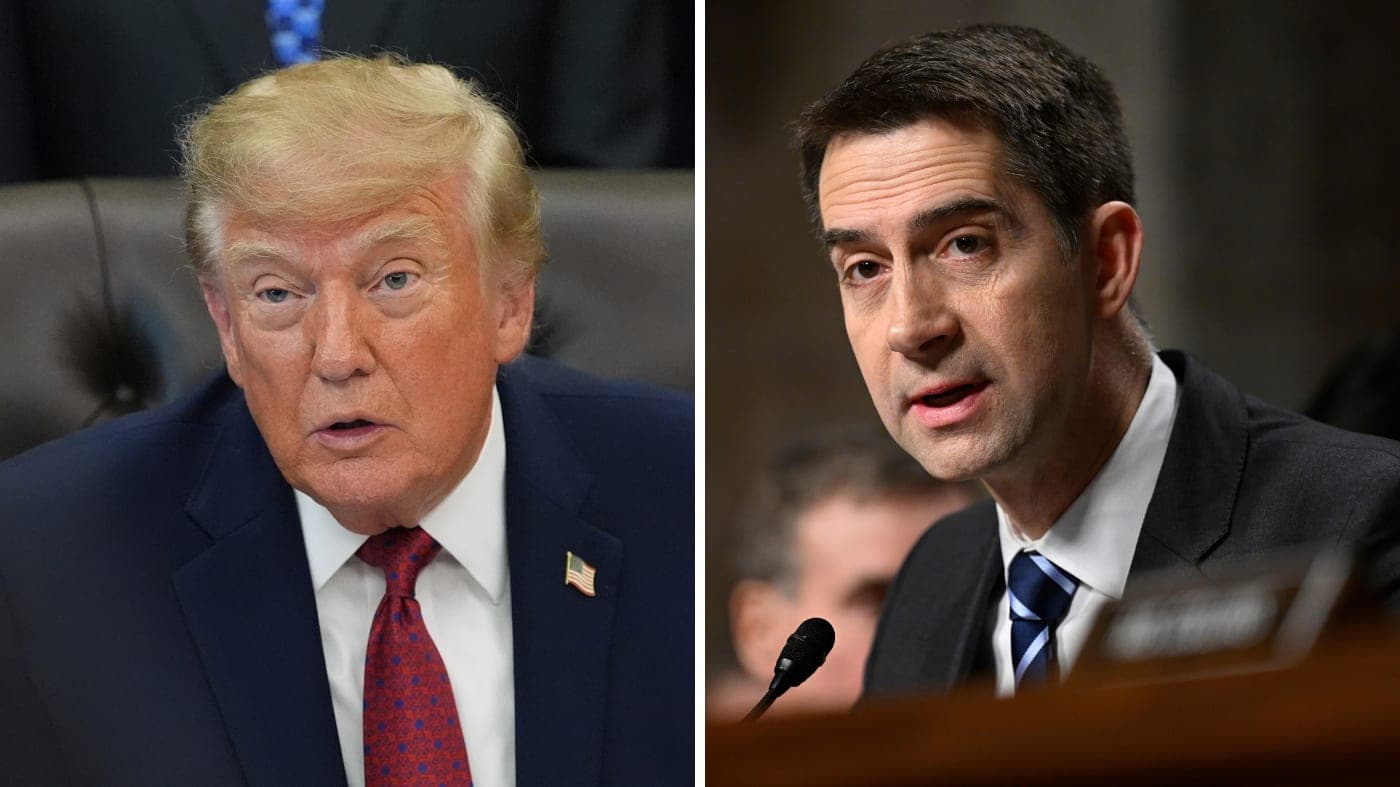
Trump, Cotton tussle over daylight savings after cell phone number leak
Cotton defended his opposition to permanent daylight saving time, citing dark winter mornings for Arkansas children.
SOURCE CHECK
TAP FOR WHYThe Hill is an established national news outlet, and the article identifies its author and attributes claims to public posts. The brief report relies mainly on the participants’ statements and provides limited independent context.
- Source type — Established national news outlet with a substantial record of political reporting.
- Editorial standards — Reports the statements and the outlet’s effort to seek comment, but offers little independent verification or context beyond the posts.
- Author attribution — A named author is credited.
The report identifies the social-media posts, presents Cotton’s stated rationale alongside Trump’s criticism, and notes that comment was sought. It offers little outside context or independent assessment of the claims about crime and daylight.
HOW WE SCORE ↗The report includes Cotton’s explanation and Trump’s arguments, and notes that comment was sought. It does not include independent sources or substantive context on the policy, and Cotton did not respond to the later posts by the time reported.
- Counterarguments presented — Cotton’s reasons for opposing the change are included alongside Trump’s case for it.
- Source diversity — The account relies on the two principals’ posts and statements, without outside sources.
- Omitted context — The report gives little independent context about the legislation or the competing effects of the time change.
- Loaded language — The article’s framing is mostly descriptive, with most emphatic language quoted from the participants.
The report uses largely descriptive language and presents statements from both Trump and Cotton. Its focus on the phone-number disclosure does not establish a discernible partisan lean.
- Language tone — Mostly factual descriptions of the posts and the disagreement.
- Source selection — Includes Cotton’s statement and Trump’s posts, and notes that the outlet sought comment from both sides.
- Framing — Frames the story around the dispute and the disclosure of Cotton’s number without adopting either side’s argument.
President Trump posted Sen. Tom Cotton’s cellphone number and urged supporters to call him over his opposition to a daylight-saving-time bill. Cotton defended his position, citing dark winter mornings and Arkansas families.
Trump criticized Cotton on Truth Social after sharing the senator’s cellphone number and asking supporters to call him about legislation to make daylight saving time permanent. Cotton said he opposed the change because past moves to permanent daylight saving time were later reversed and Arkansas children could have to travel to school in darkness.
Trump argued that permanent daylight saving time would avoid clock changes and claimed it could reduce crime. The article says the House passed the legislation in July with broad bipartisan support, while Cotton was holding it up in the Senate. As of 4 p.m. Saturday, Cotton had not responded to Trump’s later posts, and The Hill said it had sought comment from Cotton and the White House.
Community verdict
20 VOTES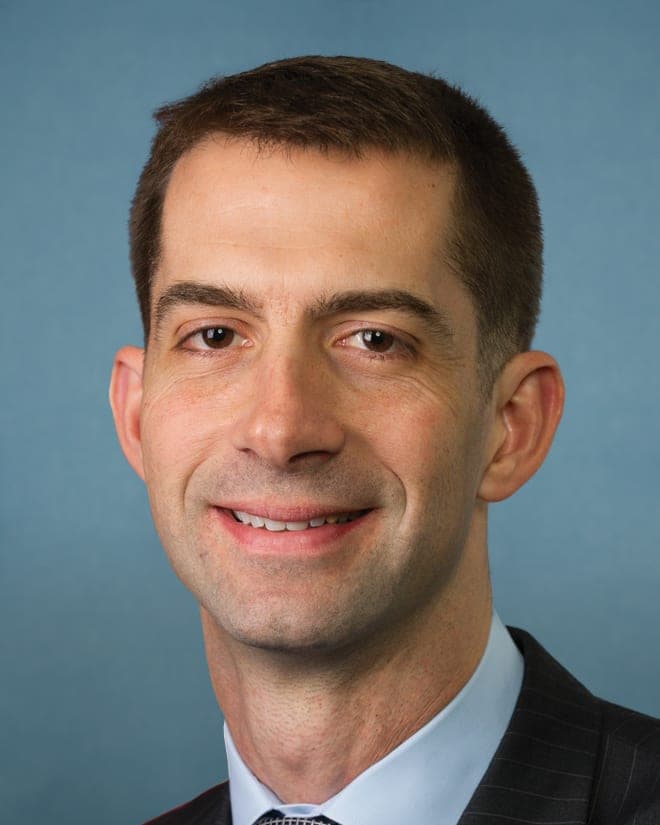
People in this story
SWIPE →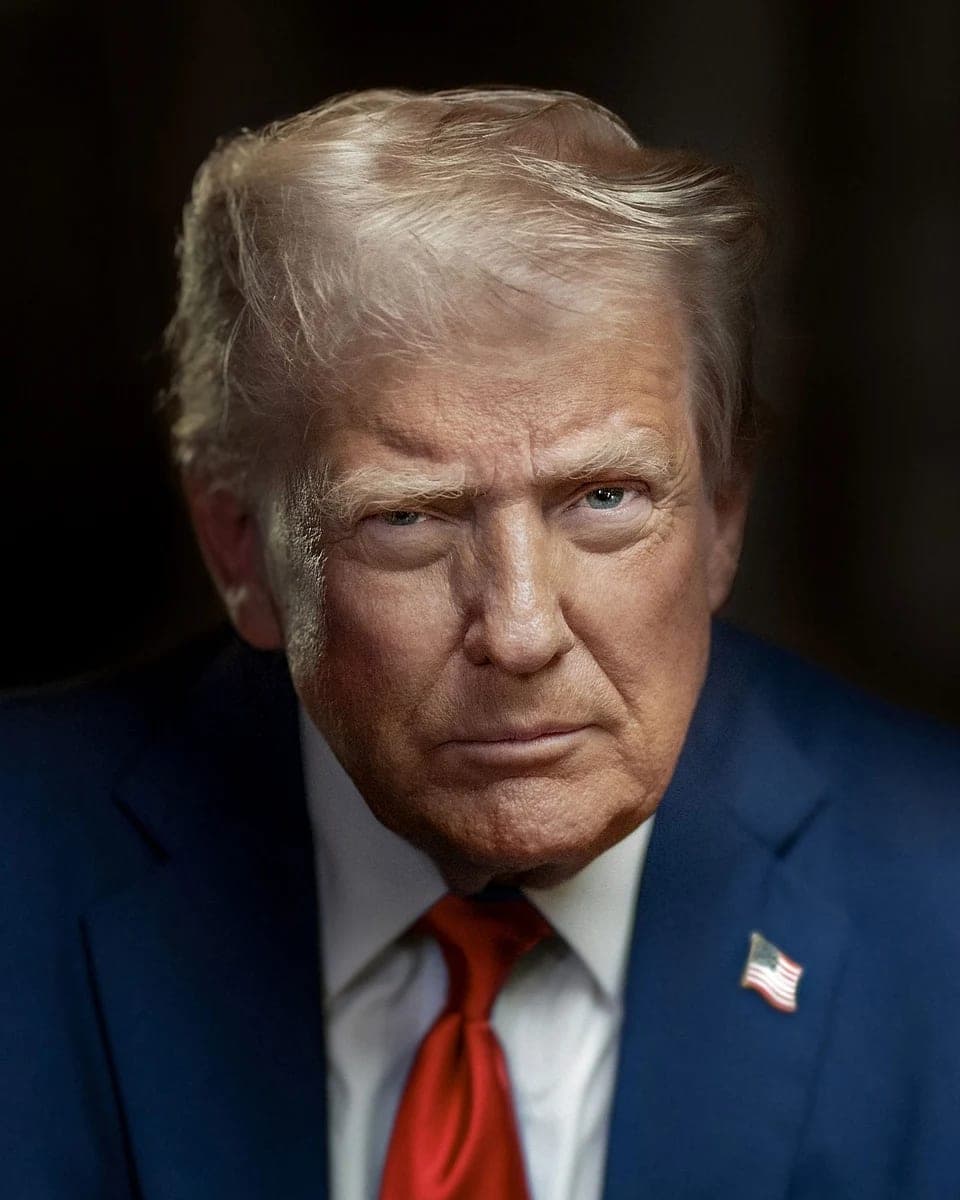
President who shared Cotton’s cellphone number and urged supporters to call him
Trump's version of this story ↗Part of a bigger story
50 OUTLETSOutlets agree that Trump urged people to contact Sen. Tom Cotton and posted a number he said belonged to Cotton as he pushed for permanent daylight saving time. Cotton opposes the change, citing dark winter mornings. Left-leaning outlets focus on Trump's public pressure and phone-number post, often presenting the disclosure as an inappropriate or ineffective tactic. Center outlets largely describe both sides' policy arguments and the phone-number episode. Right-leaning outlets often pair Trump's push with Cotton's winter-morning objection, though some portray Cotton as delaying action.
- ARTICLES
- 72
- OUTLETS
- 50
- AVG CRED
- 68

Discussion · 0
Loading comments…