Permanent daylight saving time: Why this Republican senator disagrees with it, despite Trump’s support
Cotton reiterated his opposition to permanent daylight saving time and cited concerns about its effects.

SOURCE CHECK
TAP FOR WHYCredibility rates The Hill, where this article appeared. The other scores rate the article itself.
The Hill is an established national news outlet, while the Nexstar attribution indicates this story is reproduced reporting rather than original work by The Hill. The article identifies its author and attributes Cotton’s position to his public post, but provides limited sourcing for some historical and health claims.
- Source type — The Hill is an established national news outlet with newsroom reporting.
- Author attribution — The article names Addy Bink and attributes Cotton’s position to his X post.
- Transparency — The Nexstar dateline identifies the source of the reproduced reporting.
- Source selection — Some historical and health claims are presented without named supporting sources.
The article gives concrete examples and figures about later winter sunrises, describes the earlier trial of permanent daylight saving time, and includes Cotton’s stated position and the Senate outlook. Its discussion of health and historical evidence relies largely on generalized references rather than naming studies or experts.
HOW WE SCORE ↗The article presents Cotton’s objections, Trump’s support, and the bill’s legislative status, and it includes historical and health concerns. It gives little detail about the arguments made by supporters of permanent daylight saving time.
- Counterarguments presented — Trump’s support is noted, but the case made by supporters is not developed.
- Source diversity — The article reports public statements and general research findings, with limited named source diversity.
- Omitted context — The potential benefits cited by proponents receive little explanation.
- Loaded language — The article is mostly restrained, though it describes Trump as having “lashed out” at Cotton.
The article uses mostly straightforward language and explains Cotton’s objections alongside Trump’s support and the bill’s prospects. Its emphasis on the potential drawbacks of permanent daylight saving time does not amount to a clear partisan lean.
- Language tone — The language is largely explanatory, with no sustained partisan or ideological framing.
- Source selection — It reports Cotton’s position and Trump’s support, while drawing on historical and health arguments against the change.
- Framing — The story is organized around why Cotton opposes the proposal and what its effects could be.
Original publisher not identified
This article credits another publisher, which ChamberLight has not identified, so the scores are The Hill's own.
Tom Cotton opposes making daylight saving time permanent, citing concerns about dark winter mornings and past experience. The House passed the Sunshine Protection Act 308-117, but the bill faces uncertain prospects in the Senate amid President Trump’s public pressure on Cotton.
Cotton has argued against changing clocks twice a year unless the country adopts permanent standard time. In a recent post, he reiterated his position and pointed to Americans who could be affected by later winter sunrises. The article reports that permanent daylight saving time could mean many winter mornings with sunrise after 8 a.m.; it also describes safety concerns during an earlier trial and notes that health experts largely agree it could disrupt sleep and circadian rhythms.
The House passed the Sunshine Protection Act 308-117 in July, and Trump publicly supported it. Trump also criticized Cotton, shared his cellphone number, and urged Arkansas residents to call him. The article says the measure faces an uncertain Senate future; Majority Leader John Thune had questioned whether it could reach the 60-vote threshold.
Community verdict
19 VOTES
People in this story
SWIPE →
President supporting the Sunshine Protection Act and urging calls to Cotton
Trump's version of this story ↗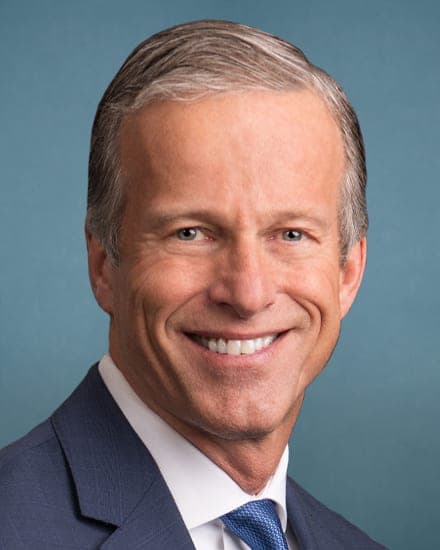
Senate Majority Leader who had questioned the bill’s prospects
Part of a bigger story
50 OUTLETSOutlets agree that Trump urged people to contact Sen. Tom Cotton and posted a number he said belonged to Cotton as he pushed for permanent daylight saving time. Cotton opposes the change, citing dark winter mornings. Left-leaning outlets focus on Trump's public pressure and phone-number post, often presenting the disclosure as an inappropriate or ineffective tactic. Center outlets largely describe both sides' policy arguments and the phone-number episode. Right-leaning outlets often pair Trump's push with Cotton's winter-morning objection, though some portray Cotton as delaying action.
- ARTICLES
- 72
- OUTLETS
- 50
- AVG CRED
- 68

Discussion · 0
Loading comments…