Progressives unveil legislation cracking down on Flock cameras
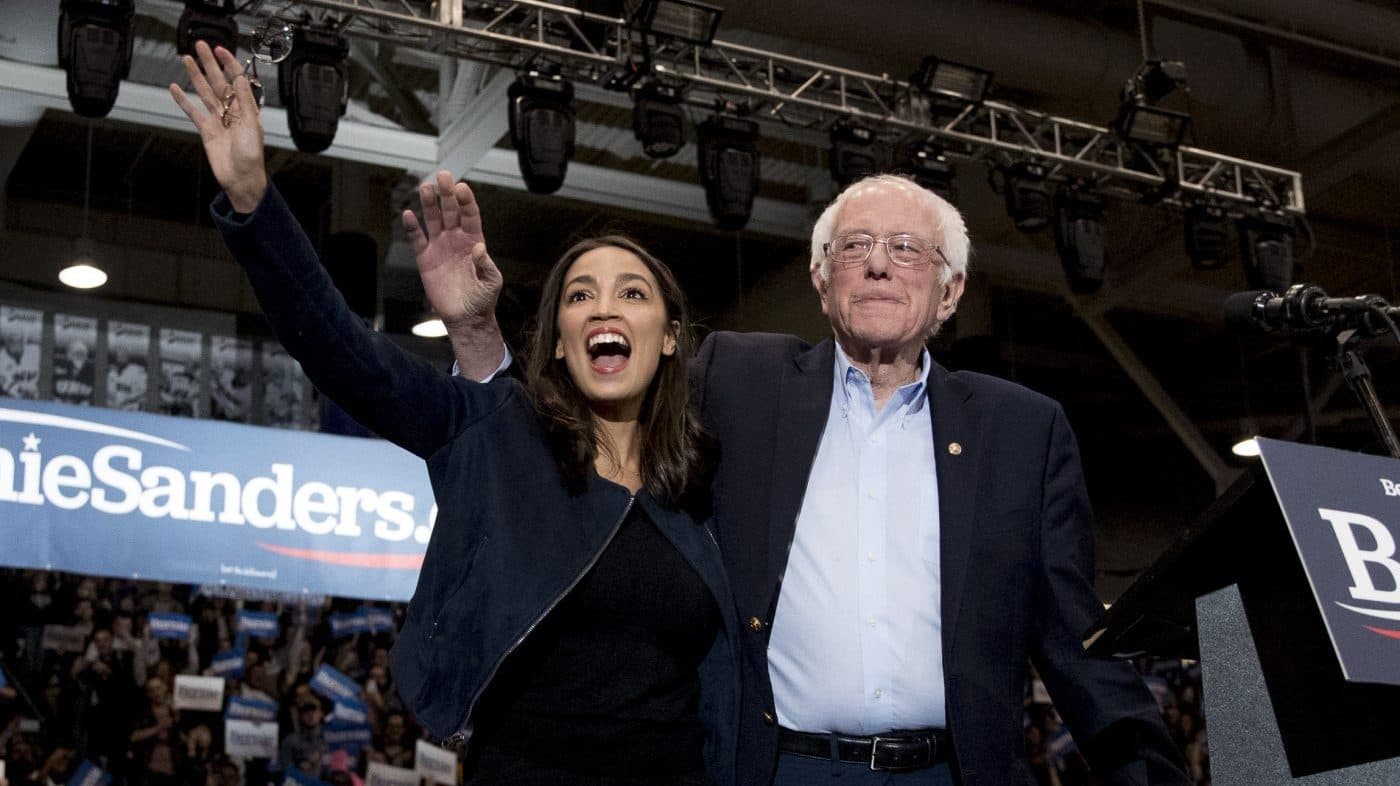
Ocasio-Cortez joined two senators in introducing a bill restricting federal use of automatic license plate readers.
SOURCE CHECK
TAP FOR WHYThe Hill is an established national political news outlet, and this article identifies its reporter and includes a response from the company at issue. The report offers useful specifics but limited independent expert perspectives in the article itself.
- Source type — Established national news outlet with a substantial record of political reporting.
- Editorial standards — The report distinguishes its descriptions from attributed claims and includes the company's response.
- Author attribution — A named reporter is credited.
- Source diversity — The article includes lawmakers and a company spokesperson, but few independent voices.
The article explains the proposal's main provisions, gives relevant context about the technology, and includes the company's public-safety argument alongside privacy concerns. Its sourcing is relatively narrow, with limited independent expert input in the article.
HOW WE SCORE ↗The article presents the proposal and privacy concerns alongside the company's defense of ALPRs as a public-safety tool. It provides less detail from independent experts or law-enforcement users in this article.
- Counterarguments presented — Flock's support for guardrails and its public-safety argument are included.
- Source diversity — The principal viewpoints are lawmakers and the company; independent voices are limited.
- Omitted context — The article gives context on the cameras and earlier concerns but little detailed evidence on effectiveness or harms.
- Loaded language — Strong language appears in a direct quote rather than as the article's own characterization.
The report uses largely neutral language, attributes the lawmakers' criticism and the company's defense, and describes the bill's provisions without endorsing either side.
- Language tone — Mostly descriptive wording, with the strongest rhetoric quoted and attributed to Sanders.
- Source selection — Includes statements from the bill's proponents and the company affected by the issue.
- Framing — Frames the story around a proposed restriction and competing privacy and public-safety concerns.
Bernie Sanders, Jeff Merkley and Alexandria Ocasio-Cortez introduced the Ban Flock Act, which would restrict federal use of automatic license plate readers and limit grants to local governments that use them. Flock says it supports safeguards for the technology while preserving its law-enforcement use.
Sens. Bernie Sanders and Jeff Merkley and Rep. Alexandria Ocasio-Cortez introduced the Ban Flock Act. The proposal would bar federal agencies from using automatic license plate readers, pause federal grants to state and local governments with ALPR contracts, and allow Americans to sue the federal government over their use. Sanders said the technology risks creating a surveillance state.
The article describes Flock’s camera network and privacy concerns, while noting the company says its searches cannot target people by race, skin tone or ethnicity. A Flock spokesperson said the company supports guardrails but considers the technology important to public safety.
The article also reports that Rep. Thomas Massie introduced the Flock-Off Act, and that Sen. Josh Hawley led a congressional hearing on surveillance camera manufacturers and their practices.
Community verdict
16 VOTES
People in this story
SWIPE →Representative and co-introducer of the Ban Flock Act
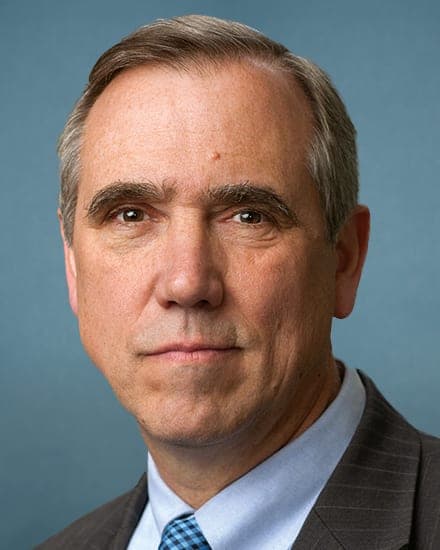
Senator and co-introducer of the Ban Flock Act
Merkley's version of this story ↗
Senator and co-introducer of the Ban Flock Act
Sanders's version of this story ↗
Representative who introduced the Flock-Off Act
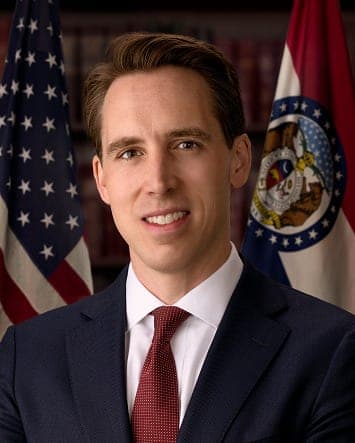
Senator who led a congressional hearing on surveillance camera manufacturers
Part of a bigger story
13 OUTLETSAlexandria Ocasio-Cortez, Bernie Sanders and Jeff Merkley introduced the Ban Flock Act, which would restrict federal use of license-plate reader cameras and related funding. Left-leaning outlets foreground privacy and surveillance risks, drawing on the sponsors’ criticism. Center outlets mostly explain the bill’s provisions and place it amid scrutiny, with some including company responses or other lawmakers’ proposals. Right-leaning outlets emphasize the proposed limits on federal use and funding, with some contrasting other lawmakers’ approaches.
- ARTICLES
- 13
- OUTLETS
- 13
- AVG CRED
- 68
Discussion · 0
Loading comments…