Taking Out The Trash In Venezuela Smokes Out Who The Real Enemies Are
The author defends Trump’s operation to capture Maduro and discusses possible U.S. supervision of Venezuela’s transition.
SOURCE CHECK
TAP FOR WHYThe Hayride is identified as a blog, and the piece is an openly partisan argument rather than independently sourced reporting. The author is not identified here, and the text offers few verifiable sources for its many factual assertions.
- Source type — Blog format and strongly partisan presentation lower confidence in institutional safeguards.
- Editorial standards — The piece is an argument with categorical assertions, not a transparently reported news account.
- Author attribution — No author is identified in the article information.
- Transparency — Some claims are linked to named sources or a cited book, but sourcing is limited overall.
The article presents a clear argument and includes Carter’s quoted objections, but relies heavily on the author’s assertions and provides little independent sourcing or sustained engagement with contrary views.
HOW WE SCORE ↗This is a sharply one-sided argument for the operation. Carter’s objections and Garlington’s criticism are mentioned, but the author dismisses them rather than substantially examining their arguments.
- Counterarguments presented — Carter’s constitutional and safety objections are quoted but not explored on their own terms.
- Loaded language — The author repeatedly uses dismissive and accusatory wording about critics and political opponents.
- Source diversity — The piece offers little reporting from independent sources or opposing perspectives.
- Opinion vs reporting — The article is an overt argument, with the author’s verdict driving its presentation.
The article strongly endorses the operation and Trump’s approach while portraying Carter and Democrats as aligned with Maduro’s interests. Its language is openly polemical and consistently favors the author’s preferred position.
- Language tone — Uses loaded terms including “narco-terrorist dictator,” “caterwauling” and “bought and paid for.”
- Framing — Frames the operation as a justified arrest and presents objections as evidence of suspect motives.
- Source selection — Includes Carter’s criticism but largely relies on the author’s claims and supportive interpretations.
- Headline — The headline uses a combative frame that casts opponents as “real enemies.”
The author defends the U.S. operation that captured Nicolás Maduro, arguing it was an arrest rather than an invasion. The piece also sharply criticizes Rep. Troy Carter for calling the action unconstitutional and reckless.
The author describes the U.S. operation in Caracas as a law-enforcement action to arrest Maduro on a federal drug-trafficking indictment, and argues that Maduro was not Venezuela’s legitimate leader. The piece also asserts that the operation did not depose the Venezuelan government and discusses the country’s oil industry and ties to Cuba, Iran, Russia and China.
The author quotes Troy Carter’s objections that the military action was unconstitutional and risked American lives, then argues that Carter is wrong to characterize the operation as military intervention rather than law enforcement. The author also suggests that Trump could seek congressional approval for future military action to secure Venezuela.
Community verdict
21 VOTES
- Readers of left-leaning coverage: not enough votes yet
- Readers of right-leaning coverage: 56% good look
People in this story
SWIPE →President whose administration carried out the operation in Venezuela

Representative criticized for opposing the U.S. operation in Venezuela
Carter's version of this story ↗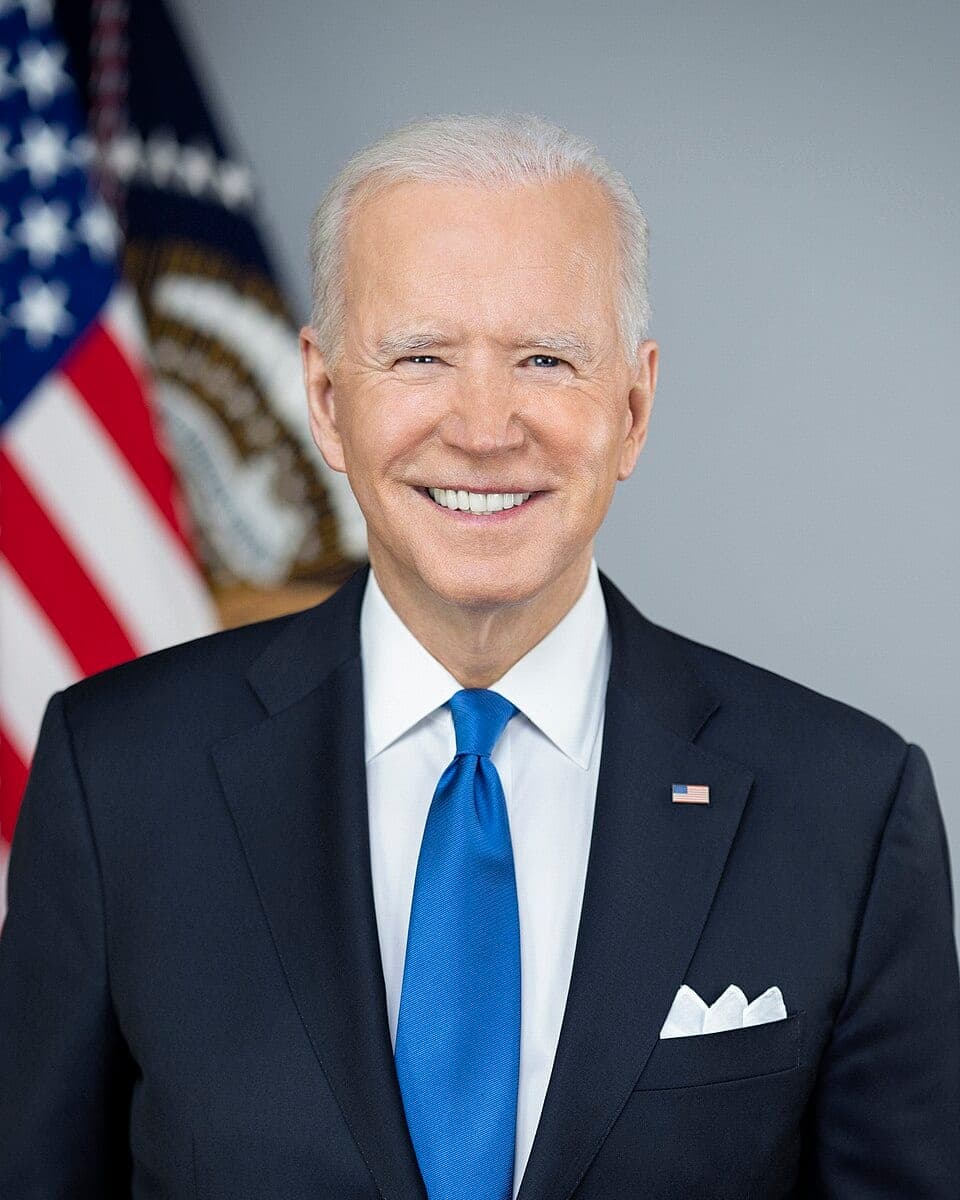
Former president whose administration’s actions are criticized
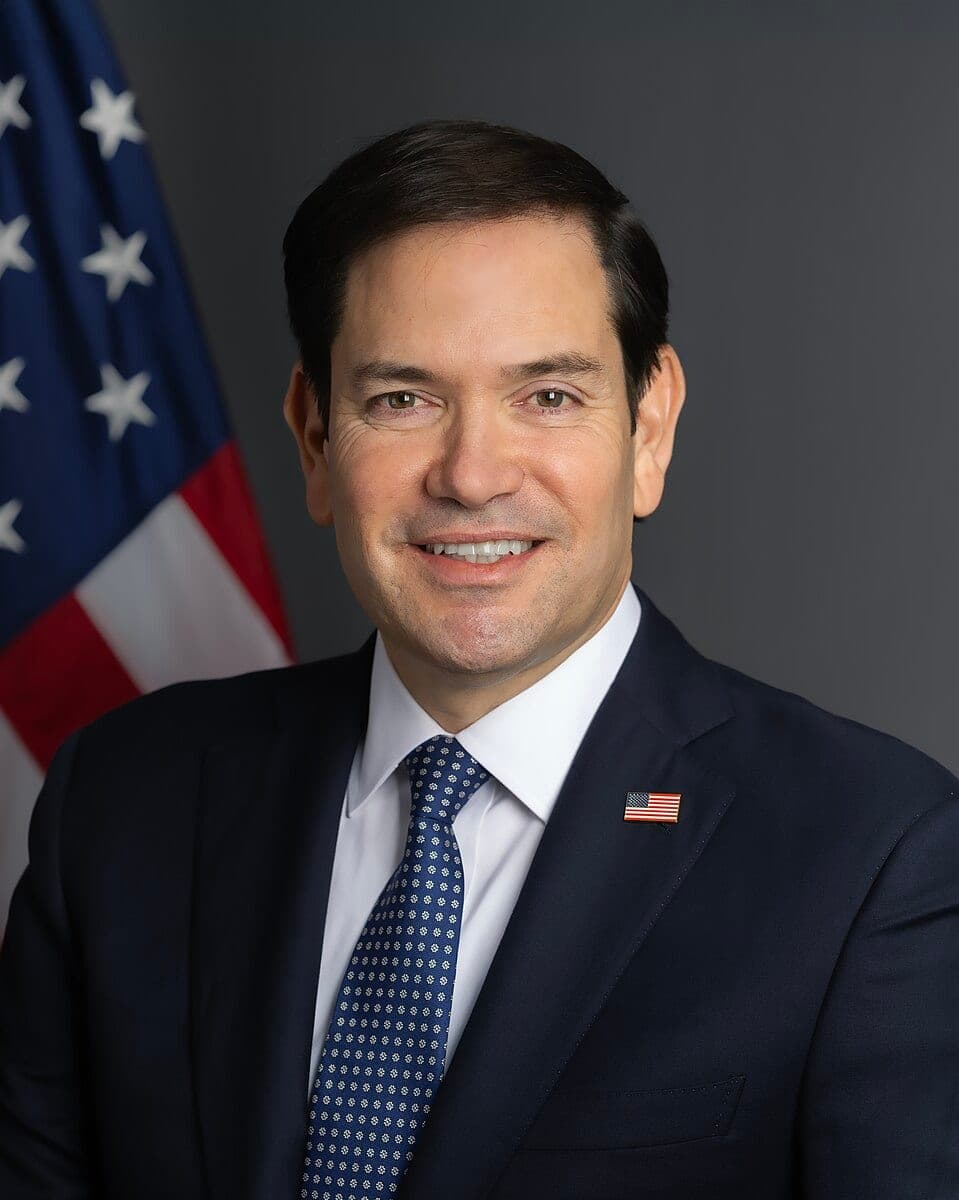
Secretary of State whose remarks are cited in defense of the operation
Discussion · 0
Loading comments…