We are finally witnessing the decline of corporate Democrats | Robert Reich
Reich describes Stevens as the corporate-aligned candidate in a primary race he presents as a proxy fight over the Democratic Party’s future.

SOURCE CHECK
TAP FOR WHYThe Guardian is an established national news organization with editorial standards, and its publisher rating is strong. This is a clearly attributed columnist’s opinion, so its arguments should not be treated as independently reported findings.
- Track record — The publisher's strong rating across 68 stories supports a high institutional assessment.
- Editorial standards — The Guardian is an established national outlet with an editorial operation.
- Author attribution — The piece is clearly attributed to Robert Reich and identified as a columnist's work.
The column provides concrete spending comparisons and an attributed quotation, but it is openly argumentative and relies on Reich’s interpretation of election results and decades of policy history. It gives little space to competing explanations or responses from the people and groups it criticizes.
HOW WE SCORE ↗This is an opinion column that makes a sustained case against corporate influence in the Democratic Party. It briefly presents James Carville’s opposing concern about progressive primary campaigns, but Reich immediately disputes it and does not develop the opposing perspective.
- Opinion vs reporting — The piece is an expressly argued column rather than a reported account presenting multiple sides.
- Counterarguments presented — Carville's concern is included, but is briefly summarized and rejected without a fuller response.
- Source diversity — The article includes an Associated Press quotation and spending figures but little direct input from the criticized candidates or groups.
- Loaded language — Strongly evaluative wording reinforces the column's one-sided argument.
The column strongly favors progressive Democrats and criticizes corporate-aligned Democrats, corporate America and Donald Trump in emphatic terms. Its language and selection of examples make the left-leaning perspective clear.
- Language tone — Uses strongly judgmental phrases about corporate elites and Trump's administration.
- Framing — Presents progressive primary victories as a needed corrective to corporate influence in the party.
- Source selection — Features progressive arguments and does not develop a response from corporate-aligned Democrats or outside spending groups.
Robert Reich argues that corporate Democrats are losing influence as progressive candidates win primaries, highlighting Abdul El-Sayed’s Michigan victory despite being heavily outspent. He says the shift gives Democrats an opportunity to refocus on working Americans.
Reich frames progressive primary victories as evidence of a decline in the Democratic Party’s corporate wing. He points to Abdul El-Sayed’s Michigan primary win over Haley Stevens, arguing that outside groups spent far more to support Stevens and oppose El-Sayed. El-Sayed campaigned against corporate influence and for measures including Medicare for All and lower prescription drug costs. Reich also describes party figures’ support for the two candidates as a proxy fight over the party’s future.
Reich traces corporate influence in the party to campaign fundraising changes in the 1980s and argues that subsequent Democratic administrations did too little on labor, trade, antitrust and campaign finance. He concludes that the party has an opportunity to become more responsive to working Americans. These are Reich’s arguments in a signed opinion column.
Community verdict
6 VOTES
People in this story
SWIPE →Michigan representative and Senate candidate who lost the Democratic primary to Abdul El-Sayed
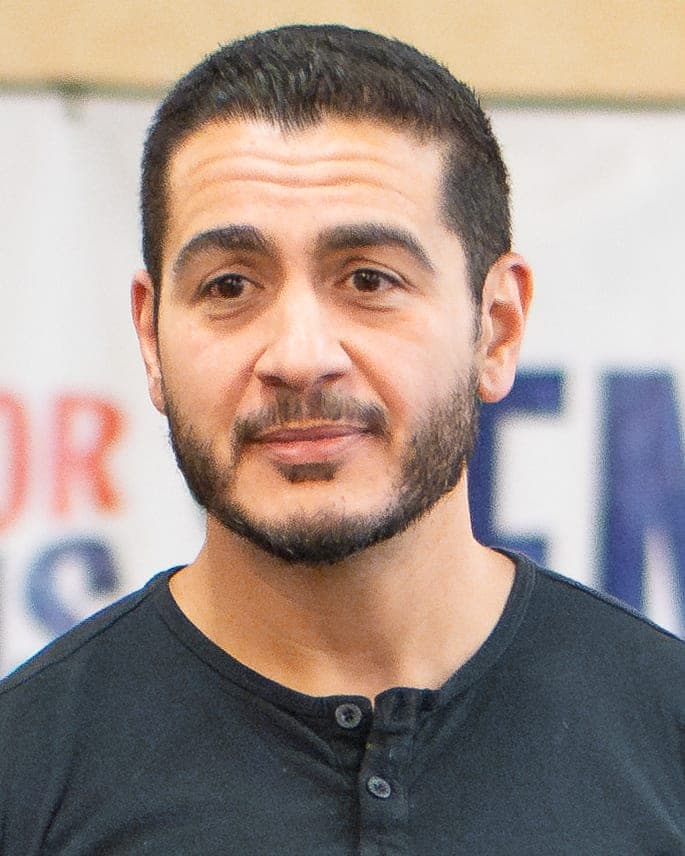
Michigan Senate candidate who won the Democratic primary and campaigned against corporate influence
El-Sayed's version of this story ↗
President whose policies Reich says have exposed corporate influence and enabled benefits for corporate allies
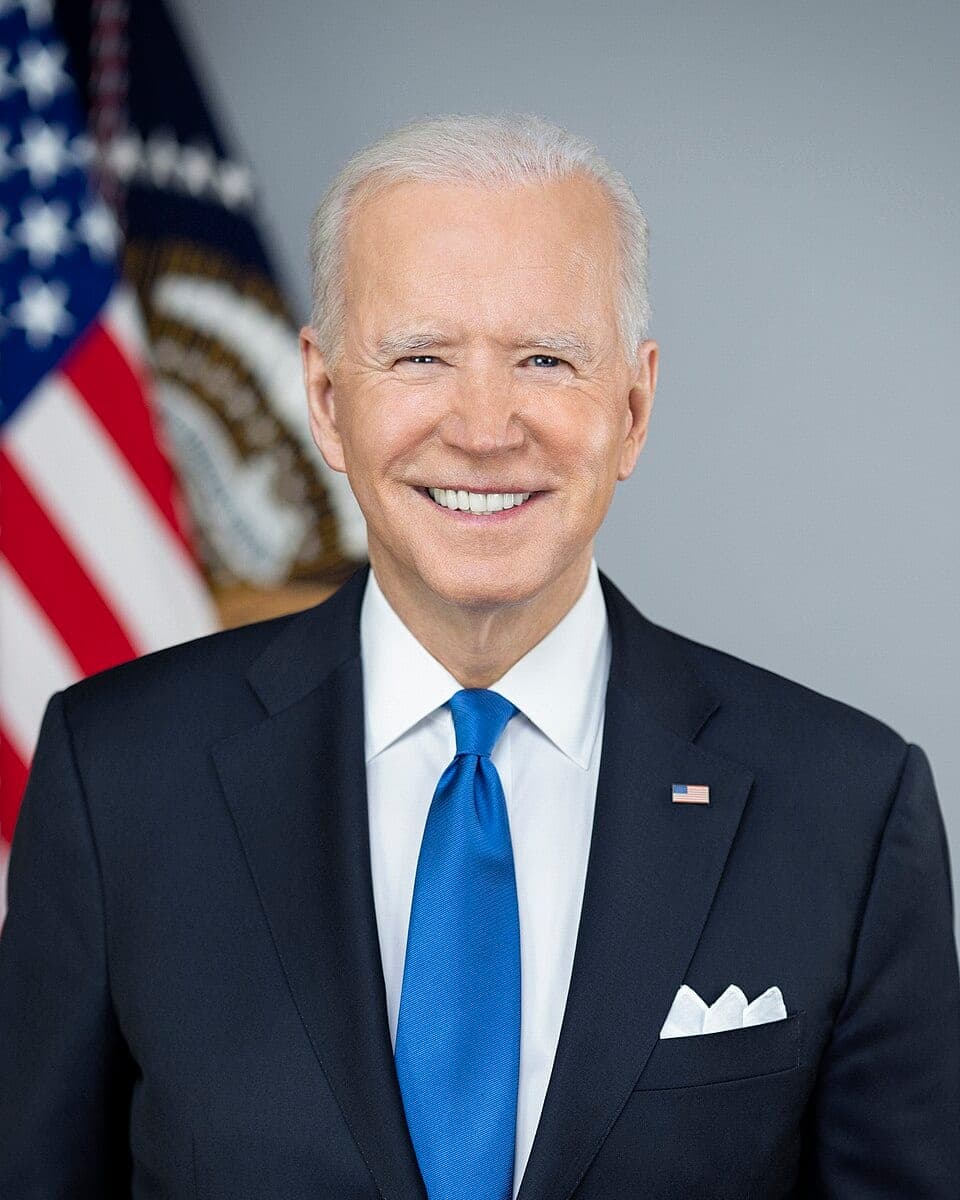
Former president cited in a comparison of the education and class composition of Democratic electoral coalitions
Senator who supported El-Sayed and is cited in a dispute over the effects of progressive primary campaigns
Senate minority leader who backed Stevens and encouraged donors to support her campaign
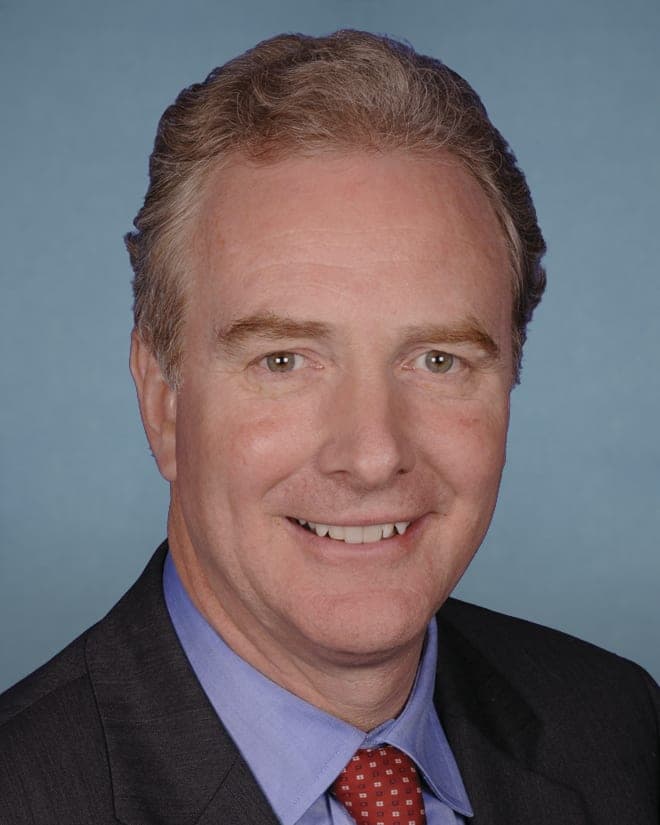
Senator who supported El-Sayed

Representative who supported El-Sayed

Florida state representative and Senate candidate whose primary victory is cited as an example of progressive gains
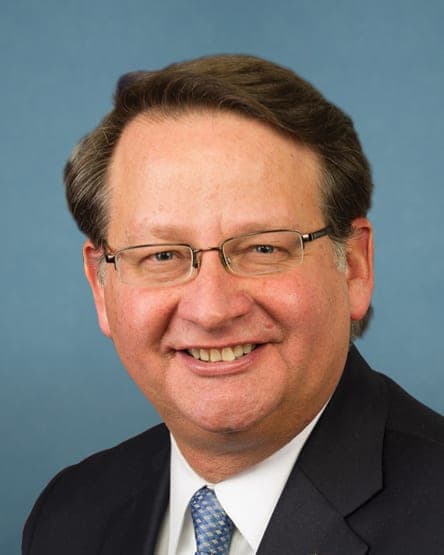
Michigan senator who supported Stevens
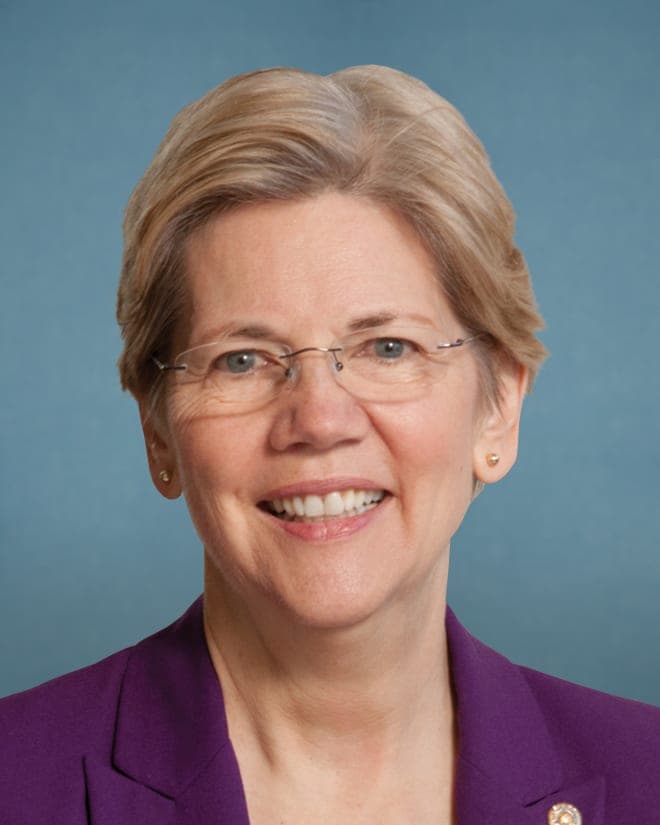
Senator who supported El-Sayed
Part of a bigger story
2 OUTLETSDiscussion · 0
Loading comments…