Top Democrats set aside qualms and embrace progressive Abdul El-Sayed
El-Sayed won the Democratic primary and drew support from party leaders ahead of the general election.
SOURCE CHECK
TAP FOR WHYThe Guardian is an established national news organization with named bylines and professional editorial standards. This article is attributed to a reporter and shows no indication that it reproduces another publisher’s work.
- Track record — Established national news organization with a record of original reporting.
- Editorial standards — Professional newsroom and clear separation of attributed statements from reported facts.
- Author attribution — A named reporter is credited.
- Transparency — Publisher and article provenance are clearly identified.
The report gives vote percentages, relevant electoral context, and comments from party leaders, candidates, and political organizations. It offers a range of perspectives, though it relies heavily on statements and does not include direct comments from El-Sayed.
HOW WE SCORE ↗The report includes reactions from Democratic leaders, the Republican nominee, the losing primary candidate, and organizations with differing views on Israel. It does not include direct comments from El-Sayed, leaving some of his perspective to others’ descriptions.
- Source diversity — Includes Democratic and Republican figures as well as organizations with contrasting positions on Israel.
- Counterarguments presented — The report presents criticism of El-Sayed alongside support from Democratic leaders and pro-Palestinian advocates.
- Omitted context — El-Sayed’s own voice is absent from the report.
The article reports the primary result and reactions from Democrats, Republicans, and pro-Israel and pro-Palestinian voices without adopting a clear partisan position. Its framing is broadly descriptive.
- Language tone — Mostly neutral reporting language, with charged descriptions attributed to speakers.
- Source selection — Includes voices from both parties and from opposing perspectives on Israel policy.
- Framing — Focuses on party unity and general-election stakes rather than urging support for a candidate.
Democratic leaders quickly backed Abdul El-Sayed after he won Michigan’s Senate primary, setting up a November contest with Republican Mike Rogers. The result carries stakes for control of the Senate and highlights divisions over Israel policy.
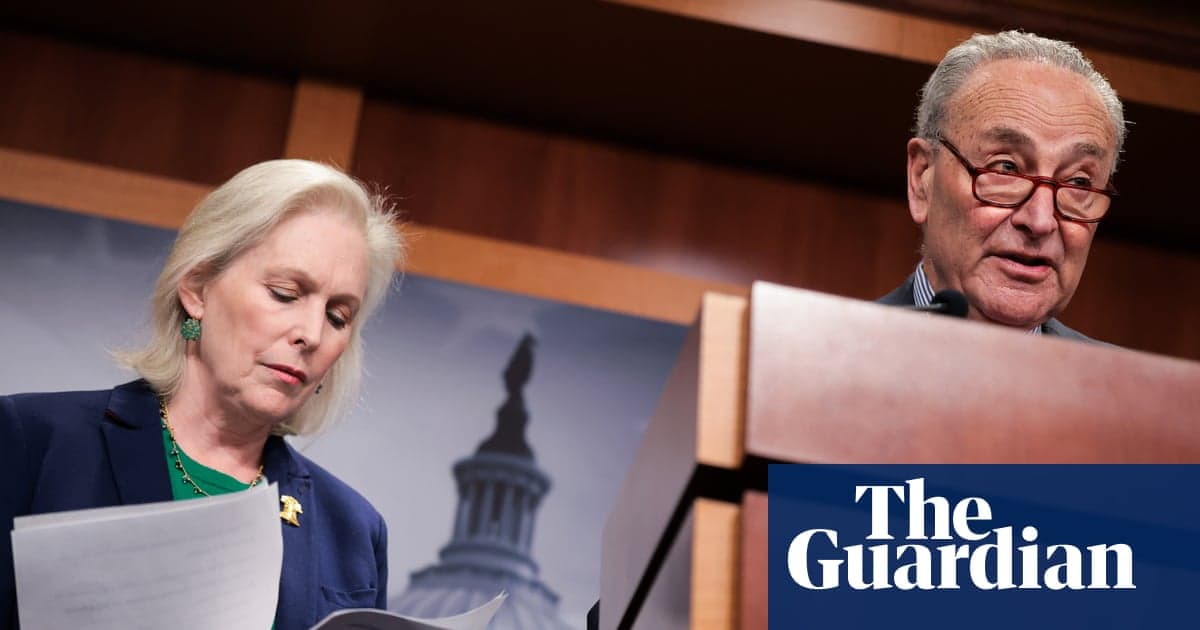
After El-Sayed won the Democratic primary, Senate Minority Leader Chuck Schumer and Senator Kirsten Gillibrand said Democrats were united behind him. He won 48.5% of the vote to Stevens’s 47.5%, a narrower margin than polling had indicated. Senator Gary Peters, who had backed Stevens, also endorsed El-Sayed after the primary.
The article describes Michigan as important to Democrats’ efforts to retake the Senate and notes that Republican nominee Mike Rogers criticized El-Sayed as too ideologically extreme for the state. The candidates differed over U.S. military support for Israel; a pro-Israel super PAC spent more than $30 million backing Stevens and opposing El-Sayed.
Community verdict
19 VOTES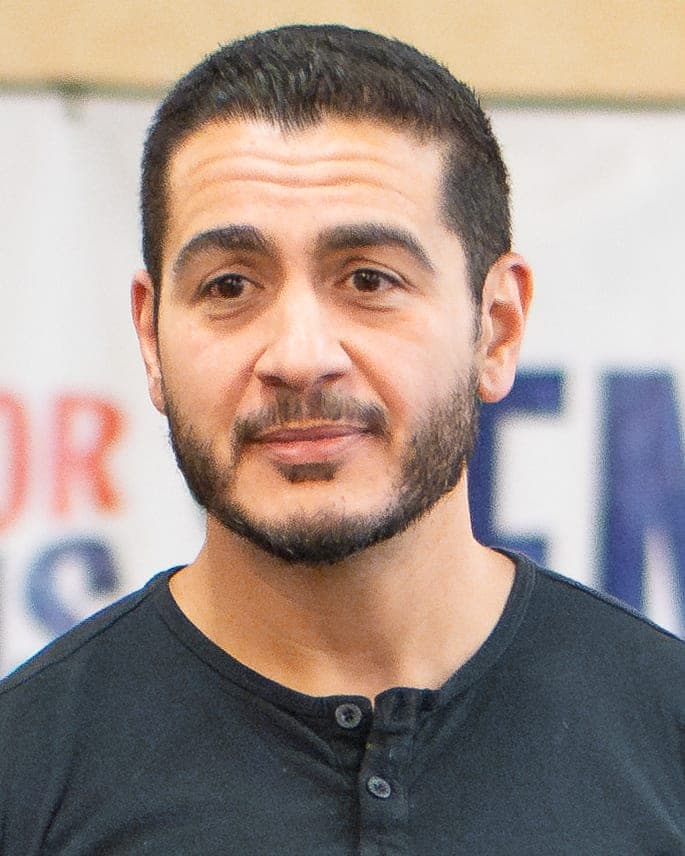
People in this story
SWIPE →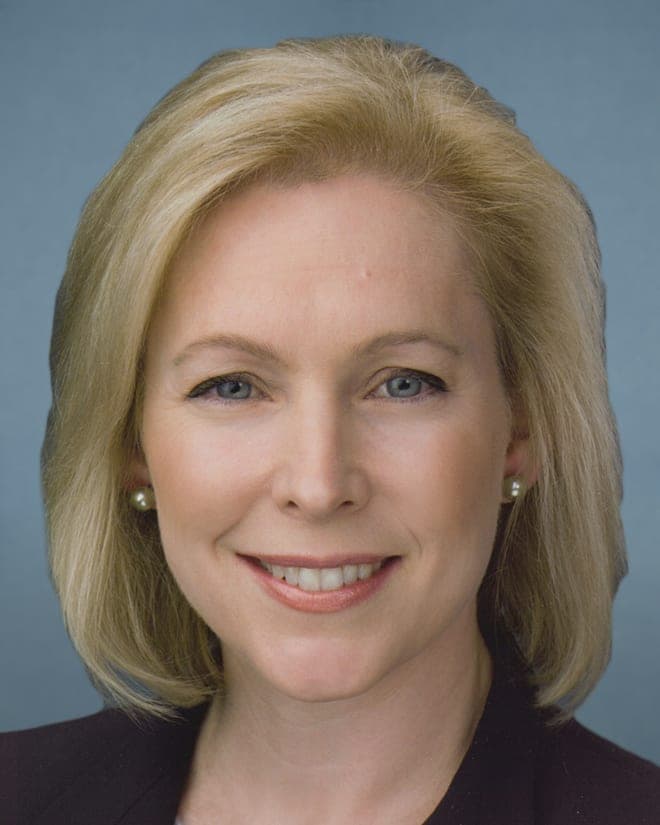
Senator and chair of the Democratic Senate campaign arm
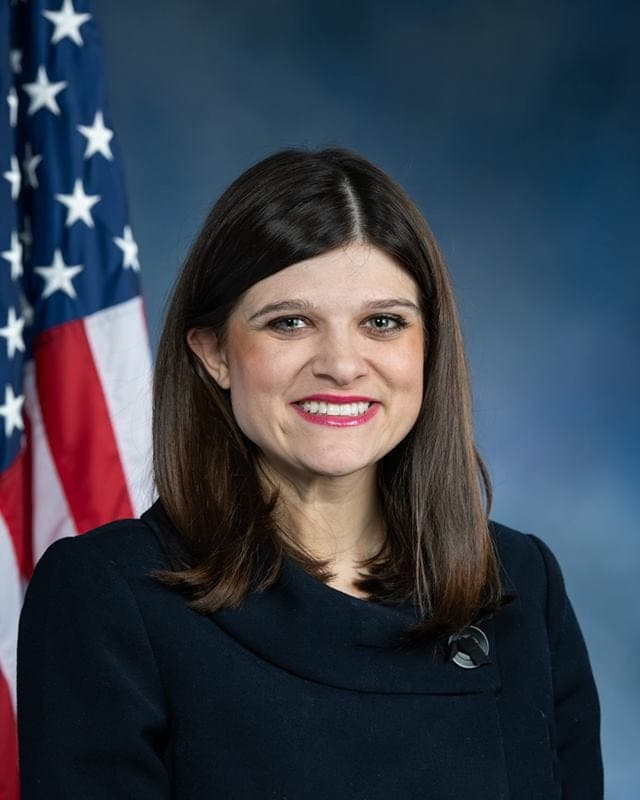
El-Sayed’s Democratic primary opponent
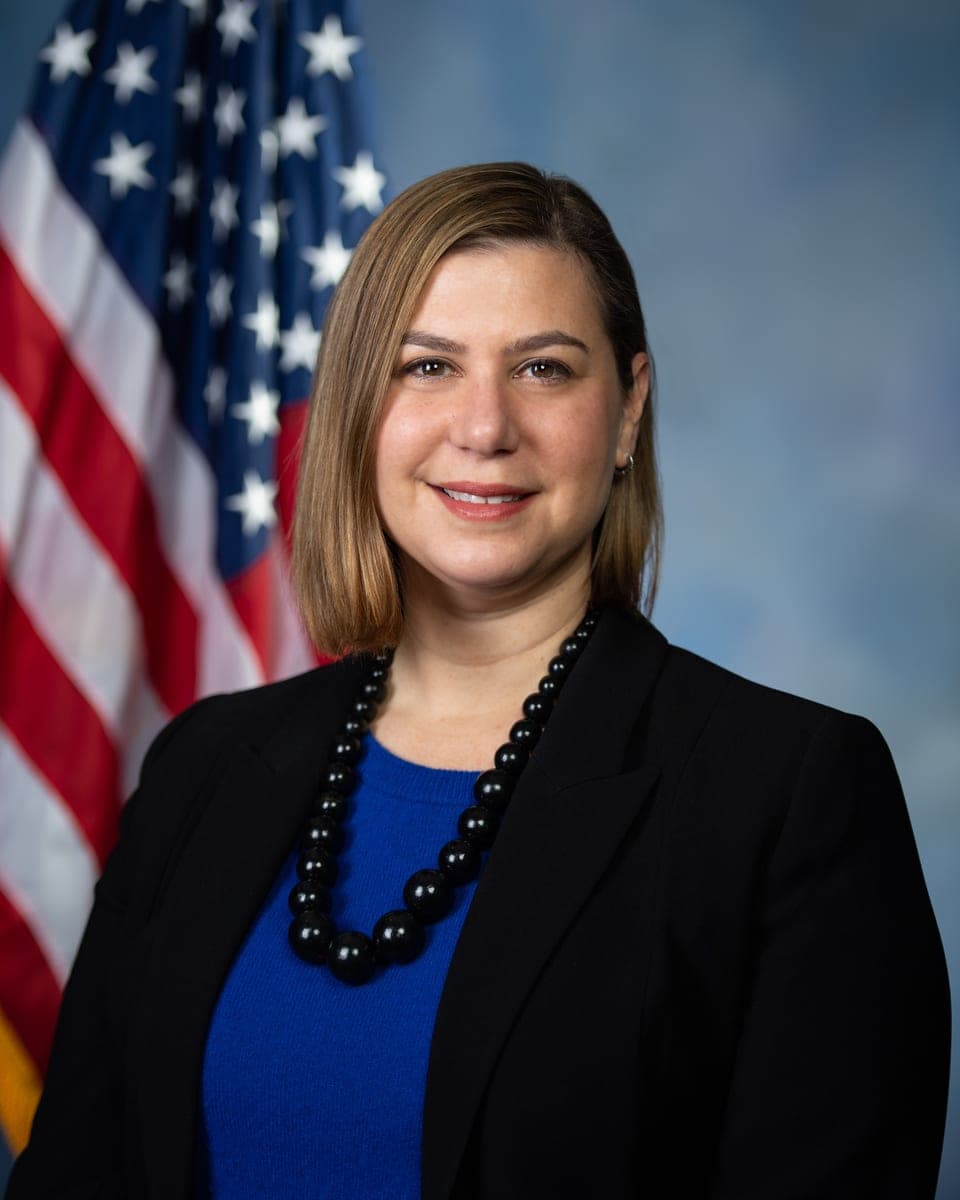
Senator from Michigan

President of the United States
Republican Senate candidate in Michigan
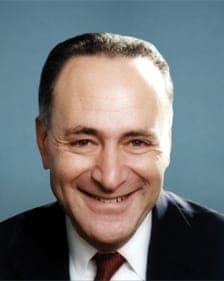
Senate Minority Leader
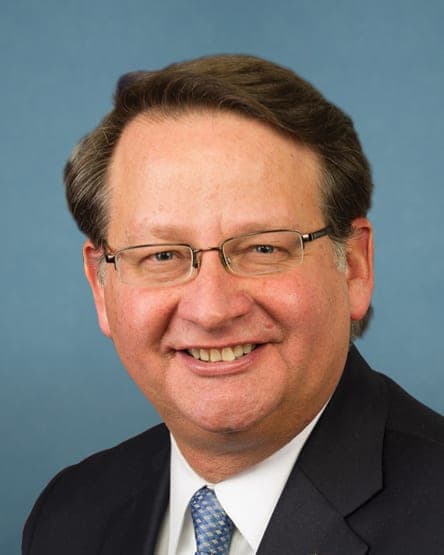
Senator from Michigan who is not seeking re-election
Part of a bigger story
63 OUTLETSOutlets agree that Abdul El-Sayed defeated Haley Stevens in Michigan’s Democratic Senate primary and will face Republican Mike Rogers in November. Left-leaning outlets present the result chiefly as a progressive victory over establishment influence. Center outlets emphasize the divided primary and what the result may mean for the party and the November race. Right-leaning outlets also stress Democratic divisions and electoral stakes, with some treating El-Sayed’s progressive politics as a risk for Democrats.
- ARTICLES
- 73
- OUTLETS
- 63
- AVG CRED
- 73
Discussion · 0
Loading comments…