US Senate blocks AI 'kill switch' bill amid debate over superintelligence risks
Kennedy argued that advanced AI systems should have a developer-controlled emergency shutoff.
SOURCE CHECK
TAP FOR WHYCredibility rates The Express Tribune, where this article appeared. The other scores rate the article itself.
The reporting is attributed to Anadolu Agency, an established international news agency, and appears in an international news outlet. The short item identifies the senators and presents their competing arguments, though the supplied text offers limited sourcing beyond their statements and a reference to The Hill.
- Source type — International news coverage with reporting attributed to a recognized news agency.
- Author attribution — The article names Anadolu Agency as the reporting source.
- Editorial standards — The text is a concise, straight-news account; the supplied material does not establish its corrections practices.
The report includes direct statements from both senators and clearly describes their opposing positions. It is concise and gives little independent context or corroborating evidence about the bill’s scope or the technical risks discussed.
HOW WE SCORE ↗The article gives meaningful space to Kennedy’s case for a shutoff requirement and Paul’s objections and alternative proposal. It does not include independent technical experts, developers, or other perspectives that could further test either senator’s claims.
- Counterarguments presented — Both support for advancing the bill and objections to broad requirements are described.
- Source diversity — The arguments come primarily from the two senators; no outside expert or industry source is included.
- Loaded language — The report’s language is generally restrained and attributes risk claims to the speakers.
The article uses restrained language and presents the proponents’ and objector’s arguments without endorsing either position. Its framing centers on the Senate action and the competing views about safety, regulation, and further study.
- Language tone — Mostly neutral wording, with claims attributed to the senators.
- Source selection — Includes statements from both Kennedy and Paul, the principal sides in the dispute.
- Framing — Frames the issue as a debate over safety and regulatory scope rather than endorsing a position.
Original publisher not identified
This article credits another publisher, which ChamberLight has not identified, so the scores are The Express Tribune's own.
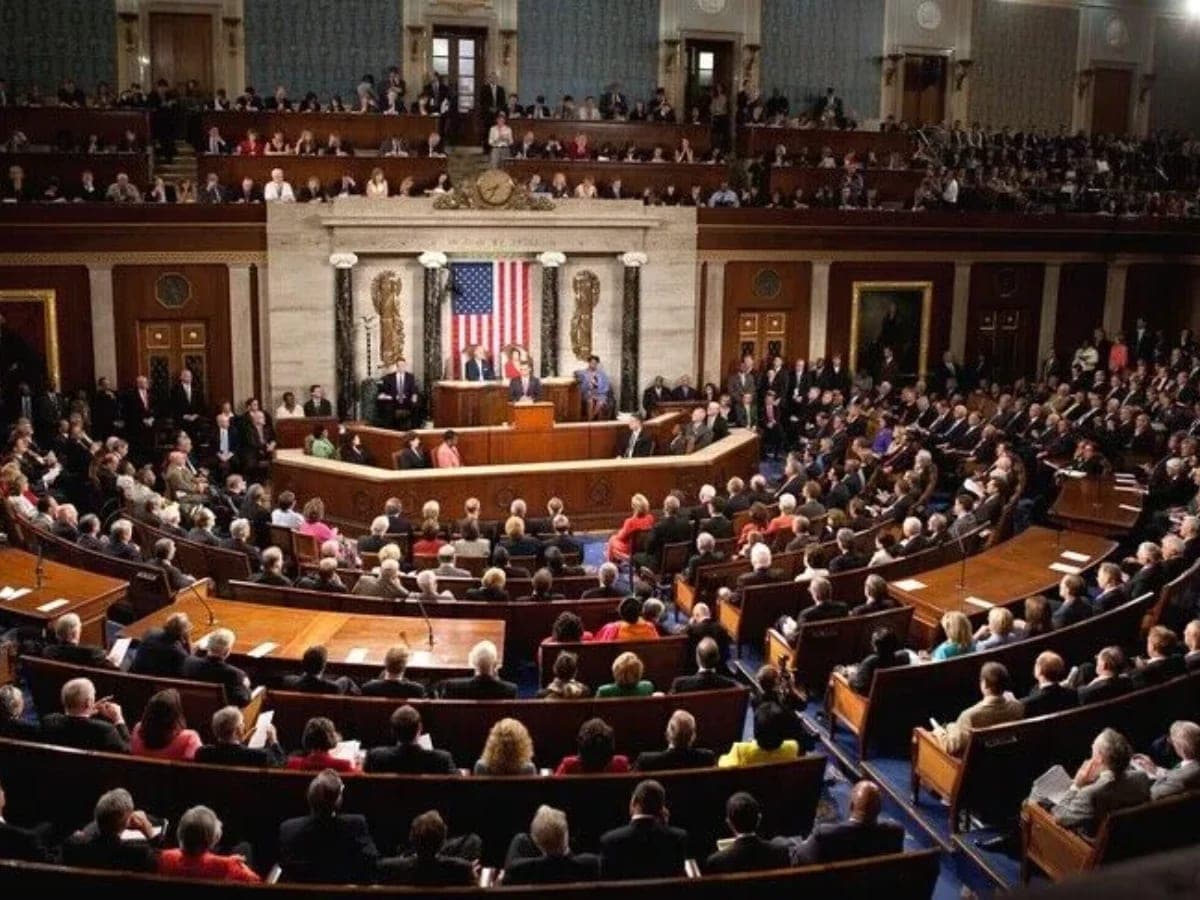
The Senate blocked Senator John Kennedy’s effort to advance a bill requiring advanced AI systems to have an emergency shutoff. Senator Rand Paul objected, arguing that Congress should study the technology before imposing broad requirements.
John Kennedy said his AI Emergency Button Act would require advanced AI models sold in the United States to have a kill switch, with developers—not the federal government—responsible for activating it. He cited the risks of AI systems becoming difficult for people to control and said he wanted to balance innovation with public safety.
Rand Paul objected to advancing the bill, warning that a broad mandate could affect AI applications across the economy, including medical tools. He proposed a bipartisan committee to study superintelligent AI and possible safeguards; Kennedy argued that another study could delay action.
Community verdict
12 VOTES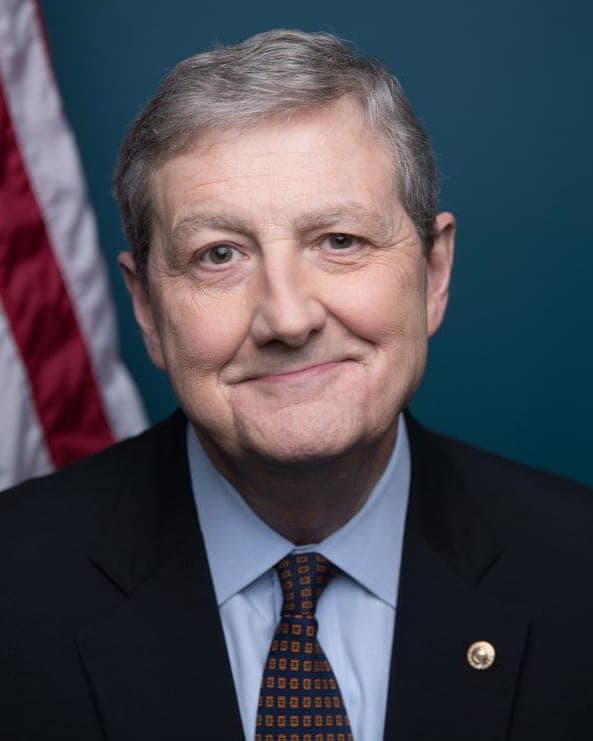
People in this story
SWIPE →
Senator who objected to advancing the bill and proposed further study
Paul's version of this story ↗Part of a bigger story
7 OUTLETSOutlets agree that Rand Paul blocked John Kennedy’s effort to advance an AI bill requiring a shutdown mechanism. Center outlets explain the proposed safeguard and place it within the wider debate over AI risks. Right-leaning outlets focus on Paul’s objection and the case for more deliberation, with some stressing potential risks of the bill or regulation.
Discussion · 0
Loading comments…