Michigan Senate Primary Becomes Flashpoint in National Left-Wing Electability Debate
El-Sayed’s primary lead and prospects against Republican Mike Rogers are central to the article’s debate about Democratic electability.
SOURCE CHECK
TAP FOR WHYThe Epoch Times identifies the reporters and presents original interviews and on-the-ground reporting, but its partisan orientation warrants some caution. The article attributes polling and interview claims to named sources, though some campaign perspectives are less fully represented.
- Source type — An established national outlet, though its partisan orientation is a reason for caution.
- Transparency — The article identifies interviewed sources and attributes poll results to named polling organizations.
- Author attribution — Two reporters are named.
- Track record — The story includes original interviews and local reporting; no correction information is evident here.
The article combines attributed polling, expert analysis, candidate statements and voter interviews, and it presents arguments about both candidates’ prospects. Its balance is limited by the absence of a response from the Stevens campaign and by uncertainty about how the polls will translate into a general election.
HOW WE SCORE ↗The story gives readers arguments for and against each candidate’s general-election prospects, including polling that points in different directions. The Stevens campaign did not respond to a request for comment, and much of the direct candidate perspective comes from El-Sayed.
- Counterarguments presented — The article discusses both candidates’ arguments and the uncertainty in their matchups against Rogers.
- Source diversity — Includes a political science professor, voters, candidate statements and polling organizations.
- Omitted context — The Stevens campaign did not respond to a request for comment.
- Loaded language — The article is largely reported in neutral language, while some quoted characterizations are sharply worded.
The article frames the race as an open question about electability and reports competing arguments and polling rather than making a clear endorsement. Its language is mostly descriptive, though it gives substantial attention to the debate over El-Sayed’s progressive positions.
- Language tone — Mostly descriptive language, with no clear partisan praise or condemnation.
- Framing — Centers on competing claims about electability rather than declaring one candidate more electable.
- Source selection — Includes an academic, voters, candidate statements and polling, though the Stevens campaign did not respond.
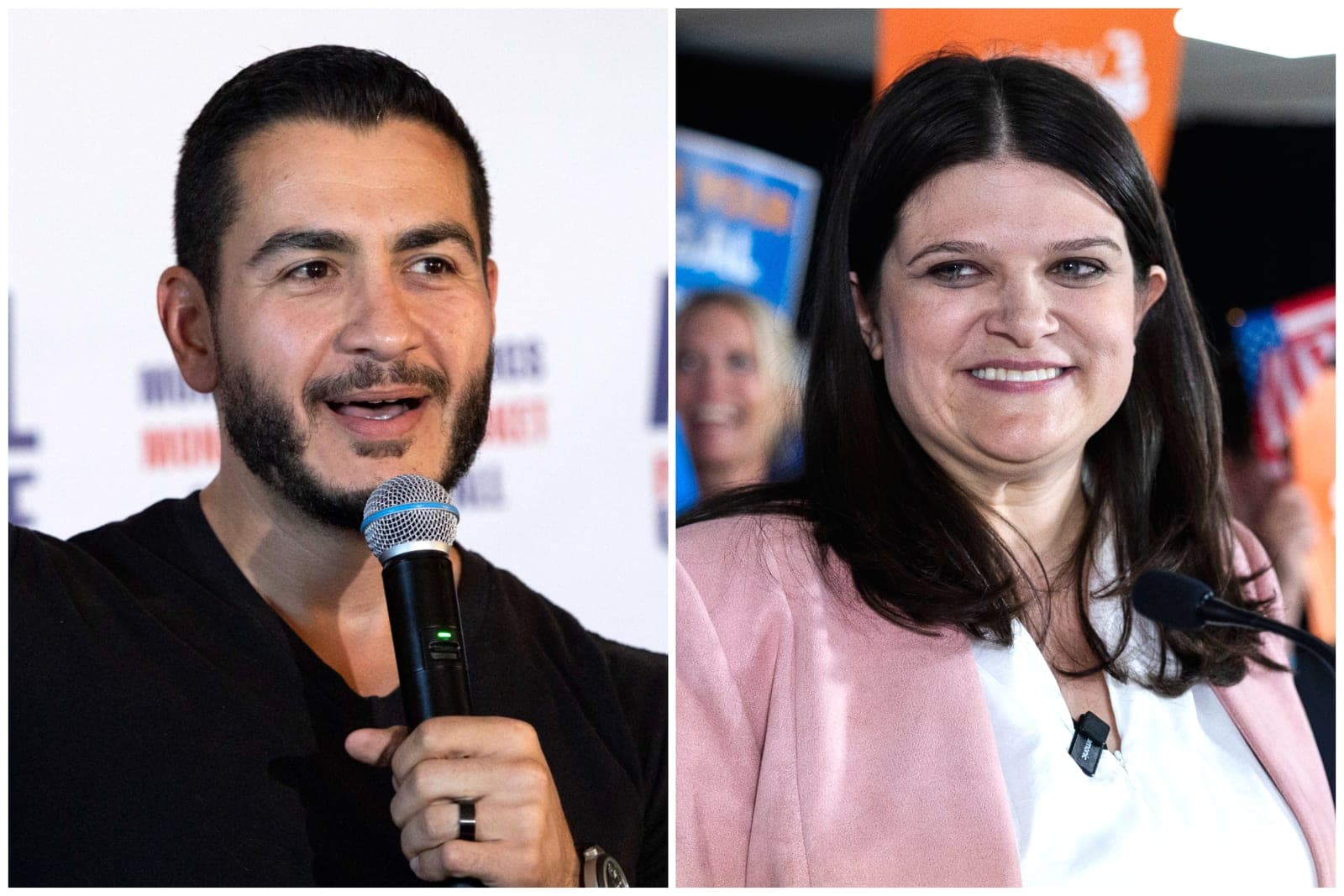
With 65 percent of votes counted in Michigan’s Democratic Senate primary, Abdul El-Sayed was leading Rep. Haley Stevens, as their contrasting approaches and general-election prospects became part of a broader debate over Democratic electability. The article examines polling, campaign spending, voter concerns and the challenge of uniting supporters after the primary.
The article reports that El-Sayed was leading Stevens, 49.8 percent to 46.4 percent, with 65 percent of votes counted, citing the Associated Press. It describes Stevens’s emphasis on her electability against Republican candidate Mike Rogers and El-Sayed’s argument that his grassroots support and progressive positions can win votes. Polls cited in the story offered differing estimates of how each Democrat might fare against Rogers.
Community verdict
16 VOTES
People in this story
SWIPE →
Democratic Senate candidate in Michigan’s primary
Stevens's version of this story ↗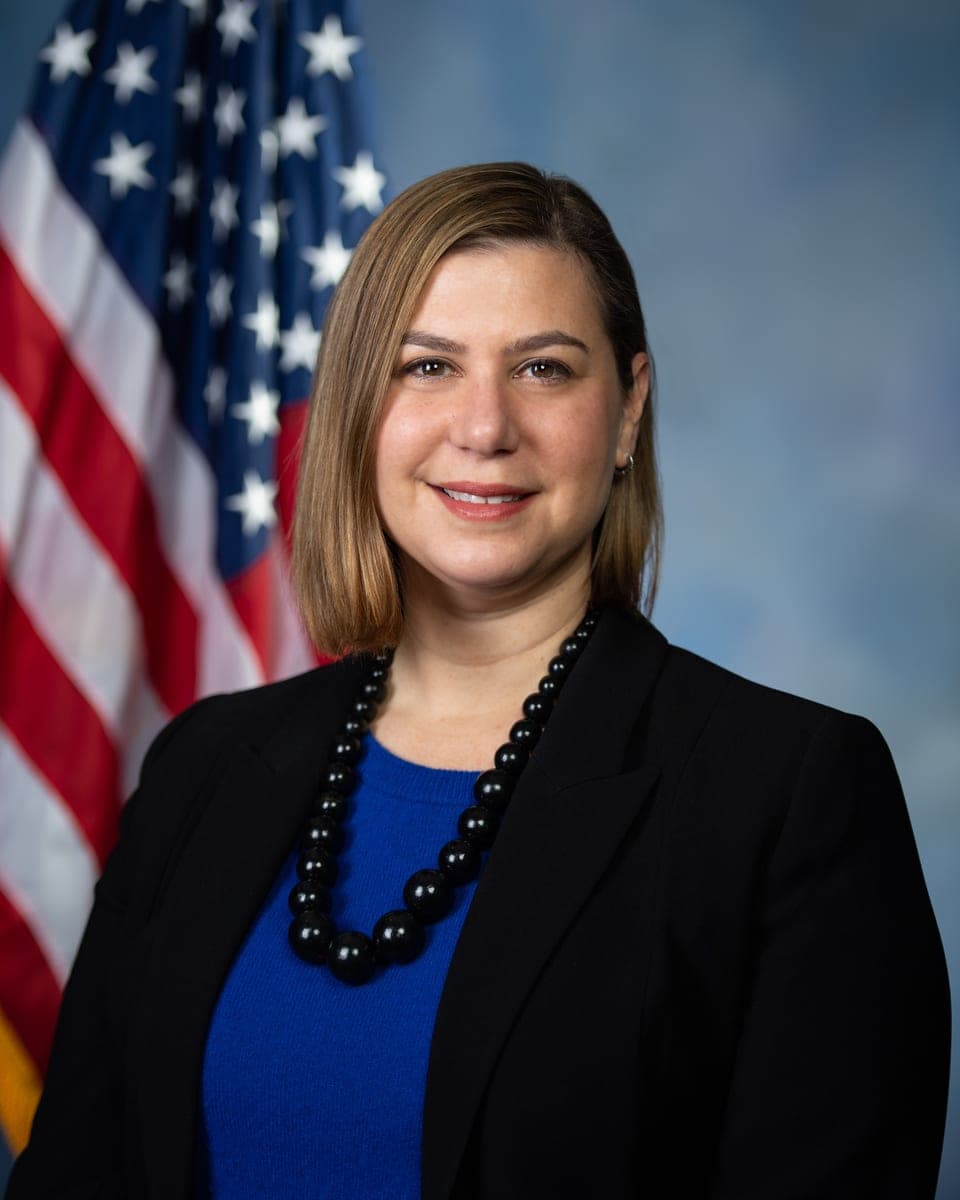
Democratic senator from Michigan
Former Democratic Senate primary candidate

President of the United States
Republican Senate candidate in Michigan and the prospective general-election opponent
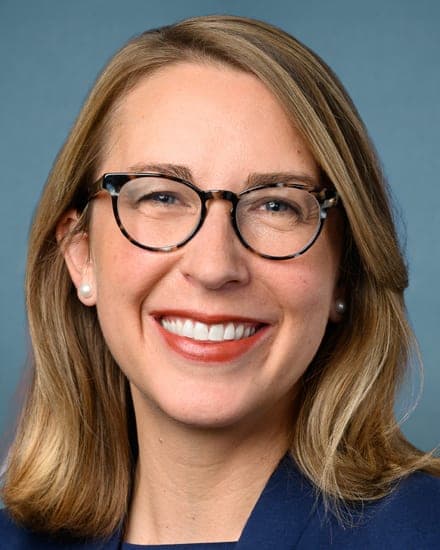
Democratic representative from Michigan

Retiring Democratic senator from Michigan who endorsed Stevens
Part of a bigger story
45 OUTLETSOutlets agree Abdul El-Sayed won Michigan’s Democratic Senate primary over Haley Stevens and will face Republican Mike Rogers in November. Left-leaning outlets present the win as a progressive challenge to party leaders and a marker of movement momentum, while also weighing its reach in November. Center outlets emphasize the close result, party direction and the general-election contest. Right-leaning outlets often frame the result as a leftward shift or establishment setback and stress questions about El-Sayed’s general-election appeal, with some focusing on ethical or policy criticism.
- ARTICLES
- 51
- OUTLETS
- 45
- AVG CRED
- 69
Discussion · 0
Loading comments…