President Trump calls Abdul El-Sayed 'Mohammed,' post labeled racist
Trump’s post calling El-Sayed “Mohammed” and accusing him of extremism prompted criticism from Michigan political figures.
SOURCE CHECK
TAP FOR WHYThe Detroit News is an established regional newspaper, and this report identifies its authors and quotes named sources from multiple sides of the dispute. The article offers direct statements and campaign responses, though much of its account centers on reactions rather than independently verified claims.
- Track record — Established regional newspaper with a record of local political reporting.
- Author attribution — Three reporters are named.
- Source type — Local-news outlet with institutional reporting practices.
- Source diversity — Includes statements from critics and a Republican National Committee official, as well as a Rogers campaign spokesperson.
The article uses direct quotations and named sources from both sides of the race, including the Rogers campaign and the RNC chairman. It clearly distinguishes reported remarks from others’ characterizations, but provides limited independent context for some of the accusations and explanations.
HOW WE SCORE ↗The article gives substantial space to criticism of Trump’s post but also includes the Rogers campaign’s argument about El-Sayed’s policy positions and the RNC chairman’s explanation. It does not independently assess those competing claims.
- Counterarguments presented — The Rogers campaign and RNC chairman offer responses and a different account of the dispute.
- Source diversity — Quotes candidates’ allies, a campaign spokesperson, party officials and other public figures.
- Omitted context — The report gives limited independent evidence about the truth of the accusations and political explanations.
- Loaded language — Most loaded wording is directly quoted and attributed.
The report mainly presents the post and competing reactions in attributed quotations, without a clear partisan editorial position. Its headline foregrounds the racist characterization, but attributes that characterization to others.
- Language tone — Mostly neutral reportorial language; charged descriptions appear in attributed remarks.
- Source selection — Includes Democratic critics as well as a Republican campaign spokesperson and the RNC chairman.
- Headline — The headline emphasizes the racist label but presents it as a characterization of the post.
President Donald Trump used the wrong first name for Senate candidate Abdul El-Sayed in a social media post and accused him of extremism, prompting criticism from Michigan political figures. El-Sayed and a Rogers campaign spokesperson responded as the candidates prepared to debate.
Trump referred to El-Sayed as “Mohammed El-Sayed” in an Oct. 7 post and called him a “RADICAL Extremist” and “Terrorist Sympathizer.” Michigan Arab American leaders and other Democrats criticized the post as racist or bigoted; El-Sayed said at a campaign stop that Trump knew his name and was using the attacks to distract from voters’ concerns.
Community verdict
15 VOTES
Counts every outlet’s report of this story. See all 17
Votes cast on this page
Votes cast on this page: ▲ 0 · ◆ 0 · ▼ 0
People in this story
SWIPE →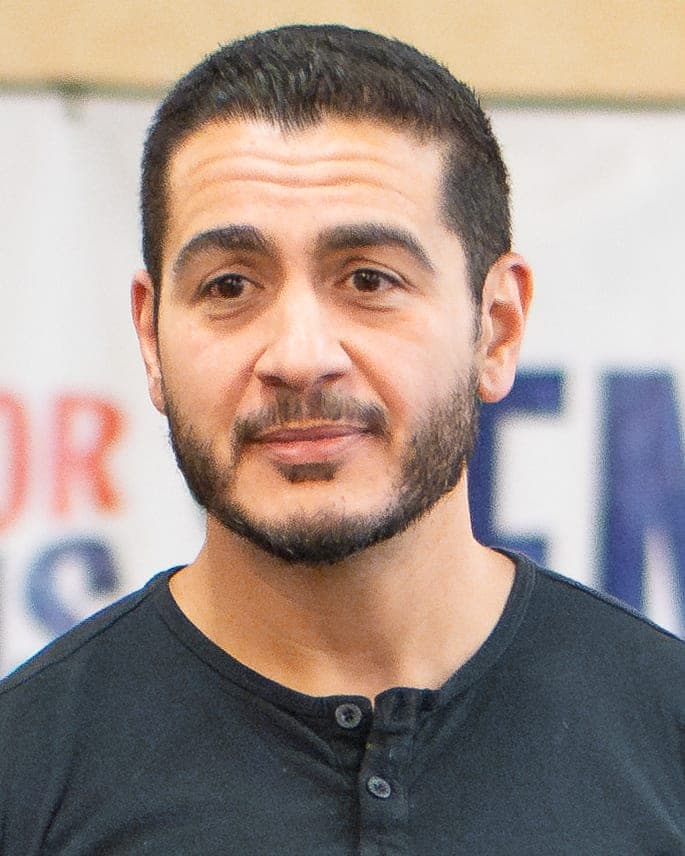
Democratic U.S. Senate candidate responding to Trump’s post
El-Sayed's version of this story ↗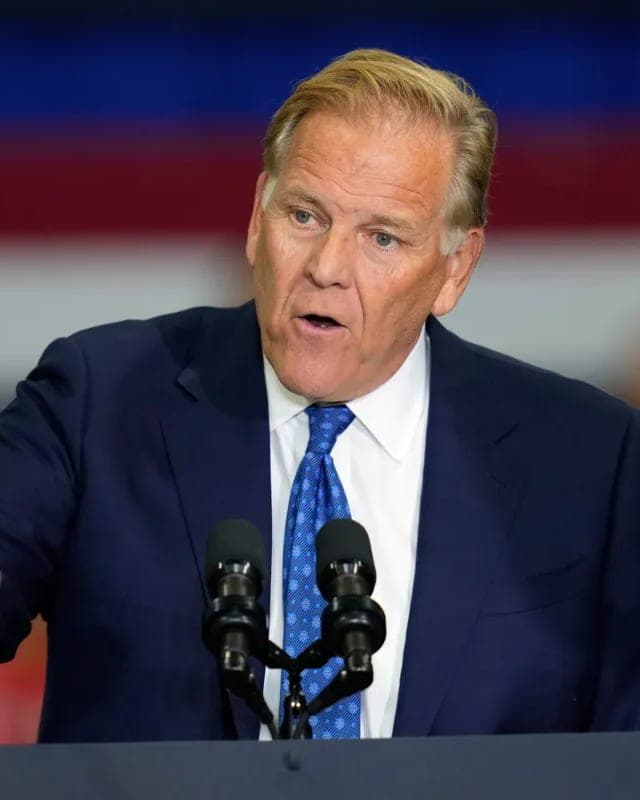
Republican U.S. Senate candidate and El-Sayed’s debate opponent
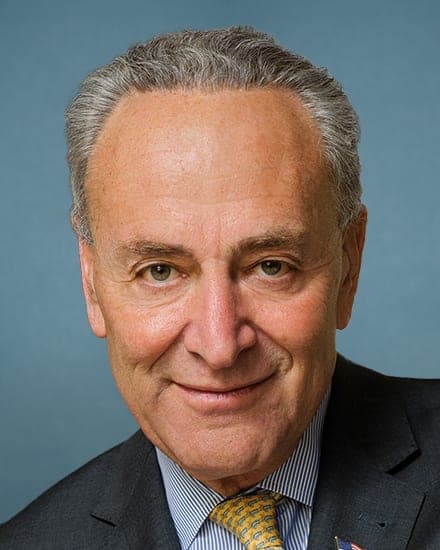
Senate Democratic leader who criticized Trump’s post
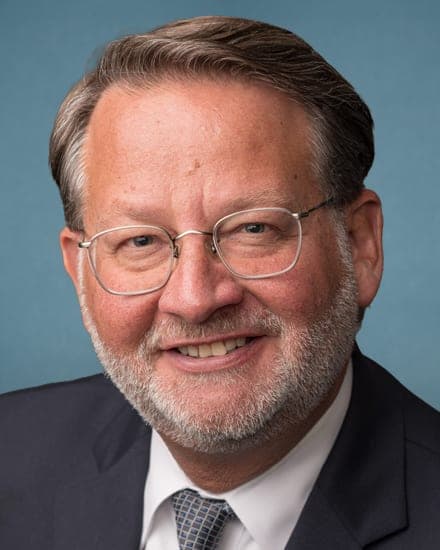
Michigan senator whose seat is open in the 2026 election
Part of a bigger story
13 OUTLETSOutlets agree that Trump criticized Fox News over its coverage of Michigan Senate candidate Abdul El-Sayed; Fox defended its coverage. Left-leaning outlets frame the dispute as pressure on Fox over El-Sayed’s access to voters. Center outlets describe the network dispute while also emphasizing Trump’s attacks on El-Sayed and his responses. Right-leaning outlets focus on a separate campaign dispute: Trump’s criticism of Annie Andrews over transgender-athlete policy.
- ARTICLES
- 17
- OUTLETS
- 13
- AVG CRED
- 69
Discussion · 0
Loading comments…