House Agrees to Over $900 Billion in Pentagon Spending
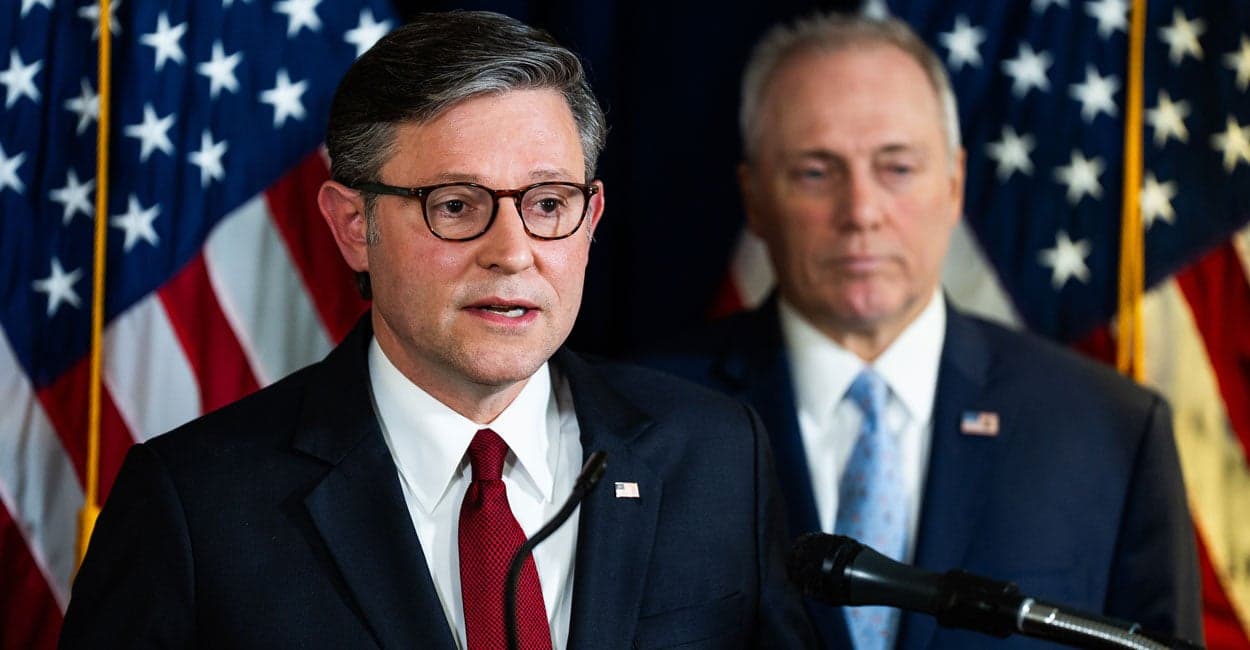
Johnson worked with Republican holdouts as House leaders sought support for the defense bill.
SOURCE CHECK
TAP FOR WHYThe Daily Signal is an established, openly conservative outlet that publishes attributed reporting, but its partisan orientation warrants more caution than a major wire service or newspaper of record. The article names its author and attributes key claims to lawmakers and a CNN correspondent.
- Source type — An established national outlet with a clear conservative orientation.
- Author attribution — The article identifies an author and attributes direct statements to named officials and reporters.
- Editorial standards — The article presents itself as news reporting, but the publisher's partisan perspective is relevant context.
- Transparency — Several claims are linked to named sources or public posts, though the article offers limited independent verification.
The report gives the vote tally, party breakdown and specific bill provisions, and attributes the negotiations to named lawmakers and a correspondent. It provides limited explanation of the opposing arguments or independent context for the bill's provisions.
HOW WE SCORE ↗The article reports a bipartisan vote and includes the party breakdown, but it gives little account of why opponents objected or of competing assessments of the bill's provisions. Much of the negotiation detail comes from Republican lawmakers and leadership.
- Source diversity — The article cites lawmakers and a correspondent but includes little independent or opposing analysis.
- Counterarguments presented — The vote breakdown shows opposition, but the reasons for opposing the bill receive little explanation.
- Loaded language — Some evaluative phrasing appears, while most of the report uses factual language.
- Opinion vs reporting — The piece is news reporting rather than an explicit opinion argument.
The report is mostly straightforward, but its framing emphasizes conservative gains and describes the provisions as major wins for conservatives. That gives the story a modest right-leaning tilt.
- Framing — The article highlights provisions as major wins for conservatives.
- Language tone — Most narration is factual, though phrases such as drama-filled and conservative firebrands add some framing.
- Source selection — The account relies substantially on Republican lawmakers' statements and the negotiations involving conservative holdouts.
The House passed a compromise National Defense Authorization Act by 312-112, approving more than $900 billion in Pentagon spending. The vote followed negotiations with holdouts, including Marjorie Taylor Greene, who said she changed her vote on the rule after leadership promised a vote on her bill.
The House passed the annual defense bill Wednesday evening, with 197 Republicans and 115 Democrats voting for it and 18 Republicans and 94 Democrats voting against it. The article says the compromise followed passage of separate House and Senate versions. It describes the bill as setting spending $8 billion above the White House’s request and including a 4% pay raise for enlisted service members, limits on reducing U.S. troops in Europe, and provisions on diversity initiatives and prior Middle East war authorizations.
The article reports that Speaker Mike Johnson and Majority Whip Tom Emmer spoke with Republican holdouts before they voted. Marjorie Taylor Greene said she changed her vote on the rule after House leadership promised a floor vote on her Protect Children’s Innocence Act. The article also reports that Tim Burchett, Anna Paulina Luna and Lauren Boebert were persuaded to support advancing the bill after leadership concessions and a phone call with Secretary of State Marco Rubio.
Community verdict
23 VOTES
Counts every outlet’s report of this story. See all 23
Votes cast on this page
Votes cast on this page: ▲ 0 · ◆ 0 · ▼ 0
People in this story
SWIPE →Speaker involved in negotiations to secure support for the defense bill
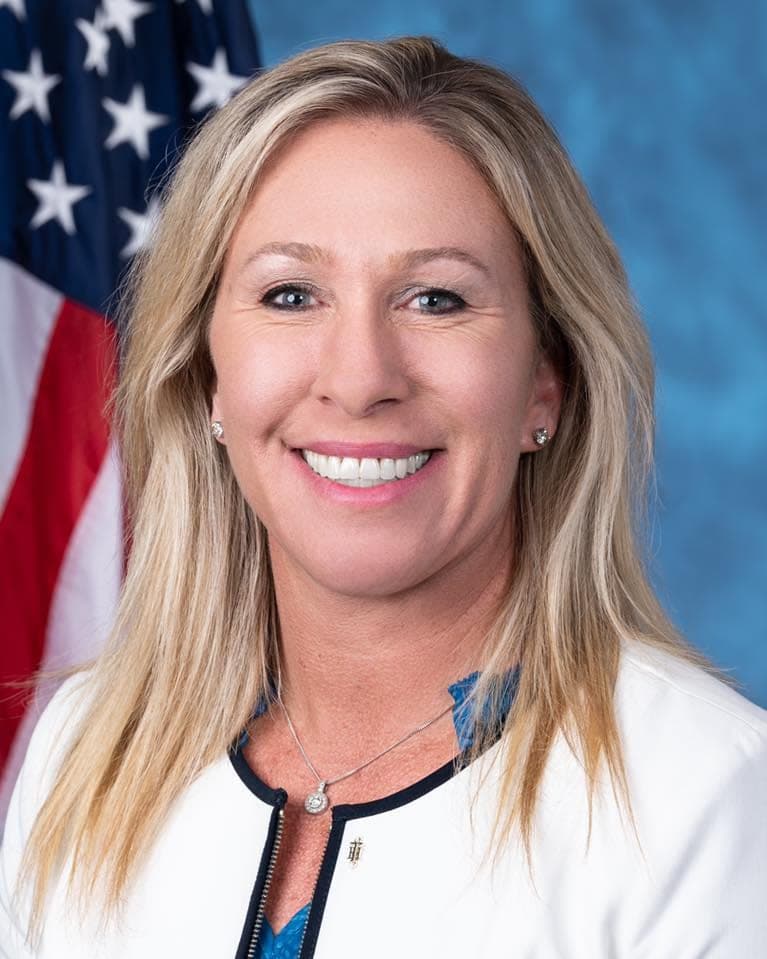
Representative who changed her vote on the rule after leadership promised a vote on her bill
Greene's version of this story ↗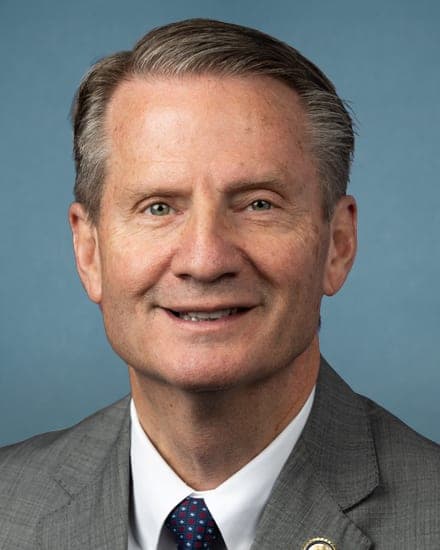
Representative who supported advancing the bill after leadership concessions

Representative identified among Republicans who delayed voting

President whose campaign promise Greene cited in describing her bill

Representative who initially opposed the rule before backing it
Representative identified among Republicans who delayed voting
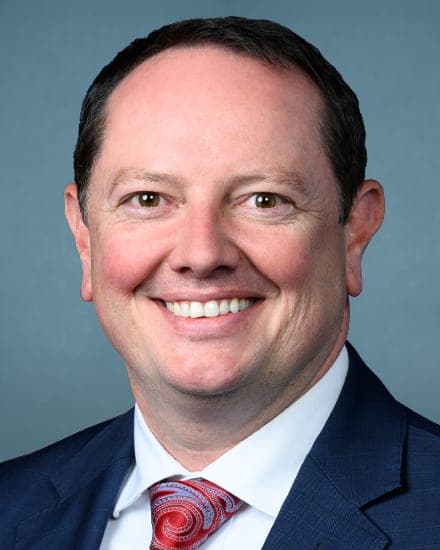
Representative who initially opposed the rule before backing it
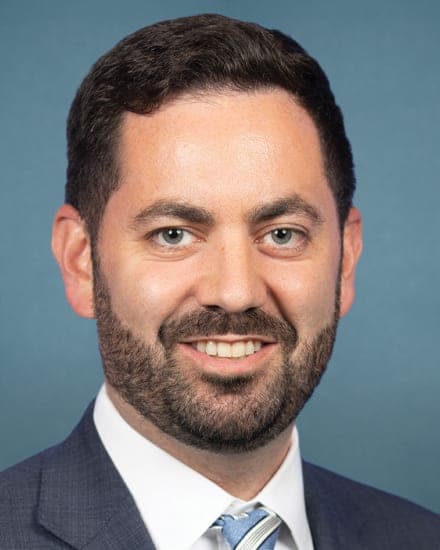
Representative identified among Republicans who delayed voting

Representative identified among Republicans who delayed voting

House Majority Leader who spoke with Greene and promised a vote on her bill
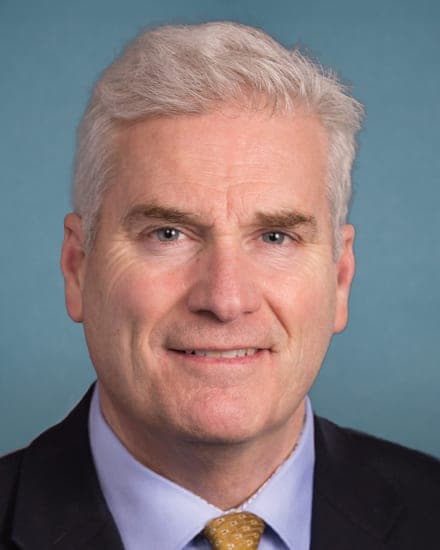
House Majority Whip who spoke with Republican holdouts
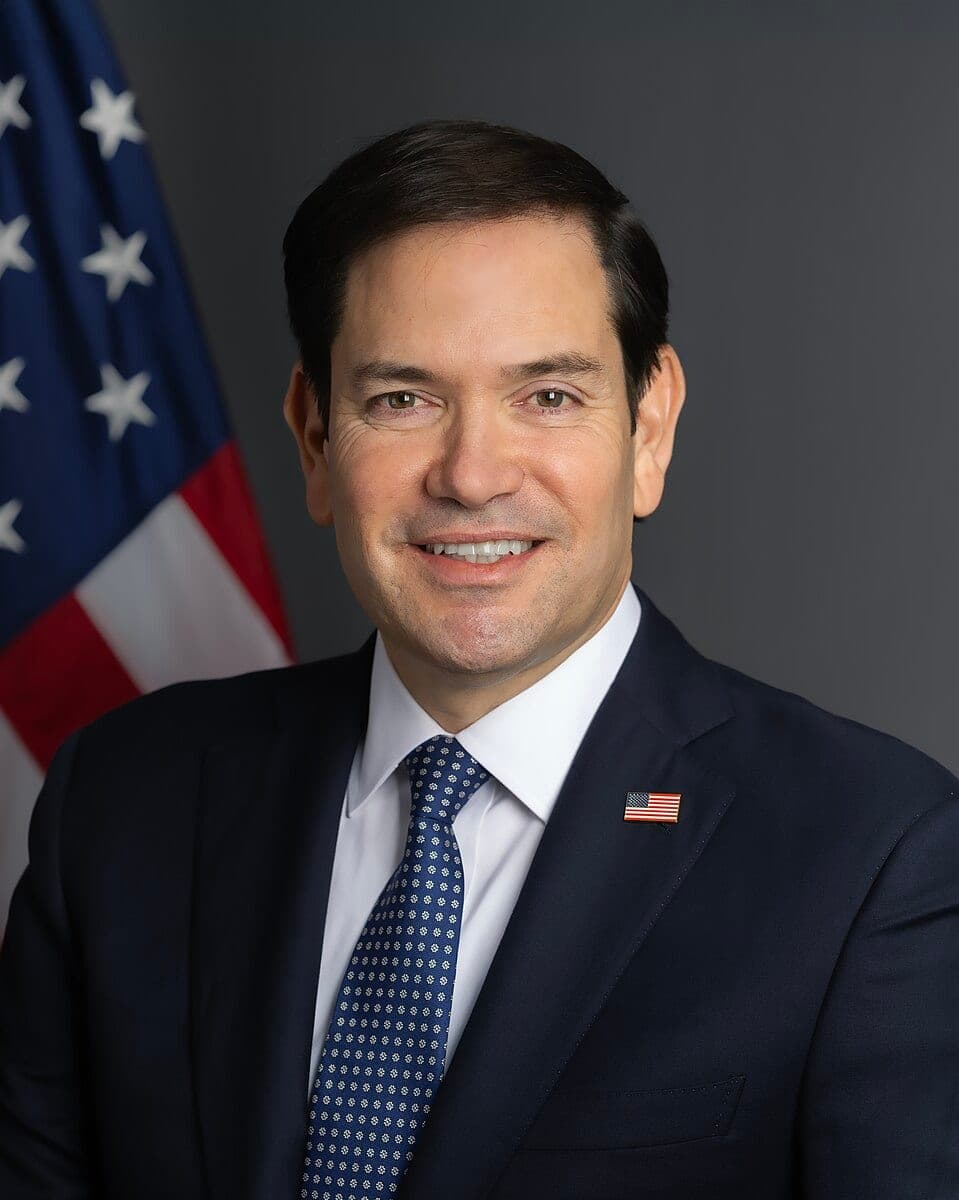
Secretary of State who spoke by phone with holdouts
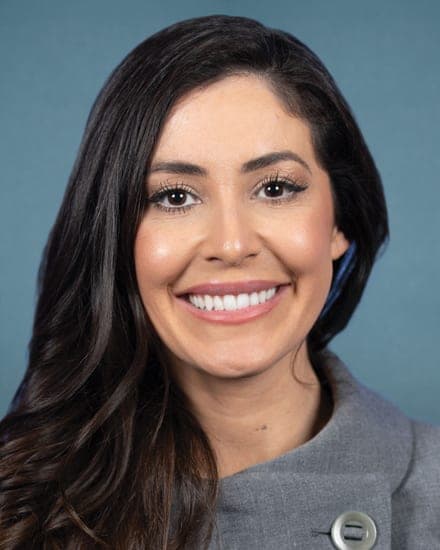
Representative who changed her position on advancing the bill after leadership concessions
Part of a bigger story
18 OUTLETSOutlets describe a dispute over whether to extend expiring Affordable Care Act subsidies, with Mike Johnson and other House Republicans involved in the debate. Left-leaning outlets portray the likely lapse as a consequence of Republican leadership and stress criticism of Johnson and health-care costs. Center outlets focus on Johnson's decision not to schedule a vote, Republican pushback and possible premium increases. Right-leaning outlets present prioritizing the GOP health care package as fiscally responsible.
- ARTICLES
- 23
- OUTLETS
- 18
- AVG CRED
- 69
- Yahoo News · GOP mounts revolt against Mike Johnson over healthcare - but they aren't ready to join with Democrats, yet
- Raw Story · Mike Johnson confronts MAGA rep in 'heated' exchange: 'Take those words out of your mouth'
- Winnipeg Free Press · House Speaker Johnson rebuffs efforts to extend health care subsidies, pushing ahead with GOP plan
Discussion · 0
Loading comments…