Trump-Backed Defense Bill Survives Critical Hurdle After Brief Conservative Revolt
Greene voted to advance the bill but criticized its foreign security assistance provisions and the omission of a promised digital currency ban.

SOURCE CHECK
TAP FOR WHYThe Daily Caller is an established, identifiable outlet with a named reporter, but its partisan orientation and comparatively limited transparency temper its institutional credibility. This article attributes statements and reports vote totals, though it relies heavily on lawmakers' accounts.
- Source type — An established news outlet, but one with a partisan orientation.
- Author attribution — A reporter is named, and another contributor is credited.
- Editorial standards — The story attributes claims and distinguishes reported votes from lawmakers' statements; broader standards are not evident from this article.
- Source selection — Most quoted voices are conservative lawmakers, with limited opposing perspective.
The article provides a concrete vote tally, identifies lawmakers' procedural positions and attributes claims about concessions. Its account relies mainly on conservative lawmakers and offers little response or context from lawmakers who opposed the bill.
HOW WE SCORE ↗The article reports the conservatives' objections and concessions, as well as the bill's passage and the White House's support. It provides little direct representation of lawmakers who opposed the bill or their reasons.
- Source diversity — Most quoted sources are conservative Republicans; opposing views are not developed.
- Counterarguments presented — The story notes Democratic opposition to the procedural rule and final-passage support, but provides little explanation from those lawmakers.
- Opinion vs reporting — The article is written as a report and attributes lawmakers' claims.
- Loaded language — The headline uses conflict-oriented wording, while the body is largely descriptive.
The report uses mostly straightforward language and attributes lawmakers' claims. Its focus on conservative objections and concessions, alongside the Trump-backed framing, gives it a slight rightward tilt.
- Source selection — The story foregrounds conservative lawmakers' objections and accounts of concessions.
- Language tone — Mostly descriptive wording, with the headline's 'Trump-Backed' and 'Conservative Revolt' framing.
- Framing — The bill is presented through the conservative resistance it faced and the Trump administration's support.
House conservatives who initially opposed a procedural step for the 2026 defense bill switched or held their positions while the vote was open, allowing it to advance. The House later passed the bill, which includes defense provisions and drew objections over Ukraine aid and the absence of a central bank digital currency ban.
The House advanced the National Defense Authorization Act for fiscal year 2026 after several conservatives initially opposed the procedural resolution. Marjorie Taylor Greene, Anna Paulina Luna, Tim Burchett and Josh Brecheen ultimately supported it; Thomas Massie remained opposed. The bill later passed the House 312 to 112.
Community verdict
32 VOTES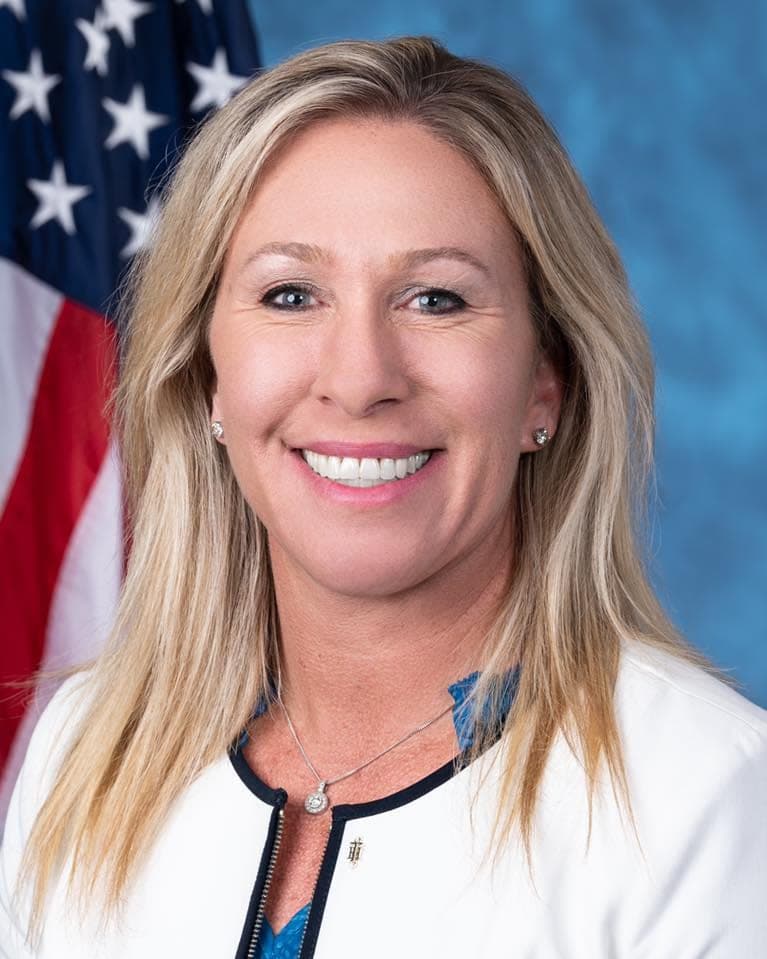
People in this story
SWIPE →Representative who supported advancing the bill while criticizing its provisions and the absence of a digital currency ban
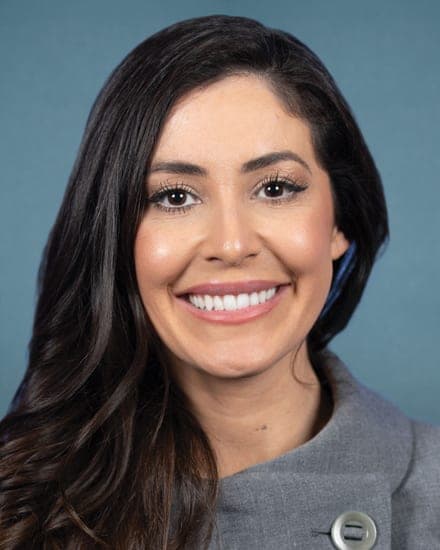
Representative who switched to support the procedural resolution and described concessions by conservatives
Luna's version of this story ↗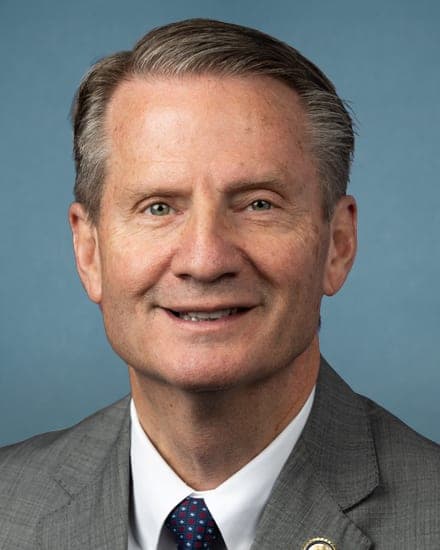
Representative who supported the procedural resolution and cited a commitment to end funding to the Taliban

President whose administration backed the defense bill
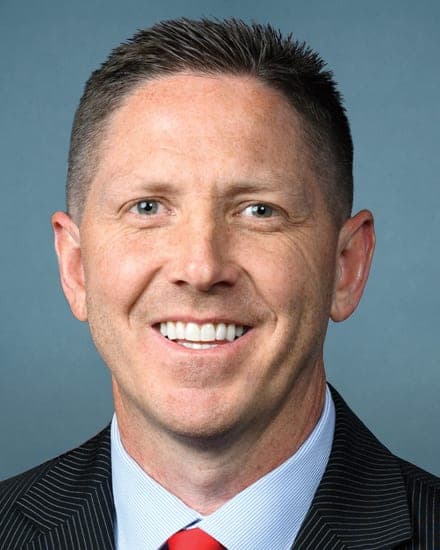
Representative who switched to support the procedural resolution

Representative who remained opposed to the procedural resolution
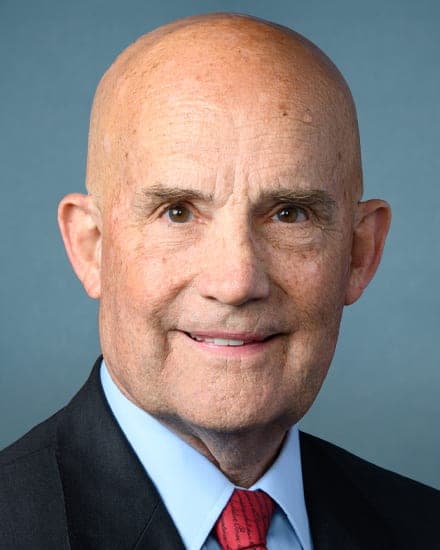
Representative who introduced an amendment to restore a digital currency ban

Senator whom Luna said opposed including a digital currency ban
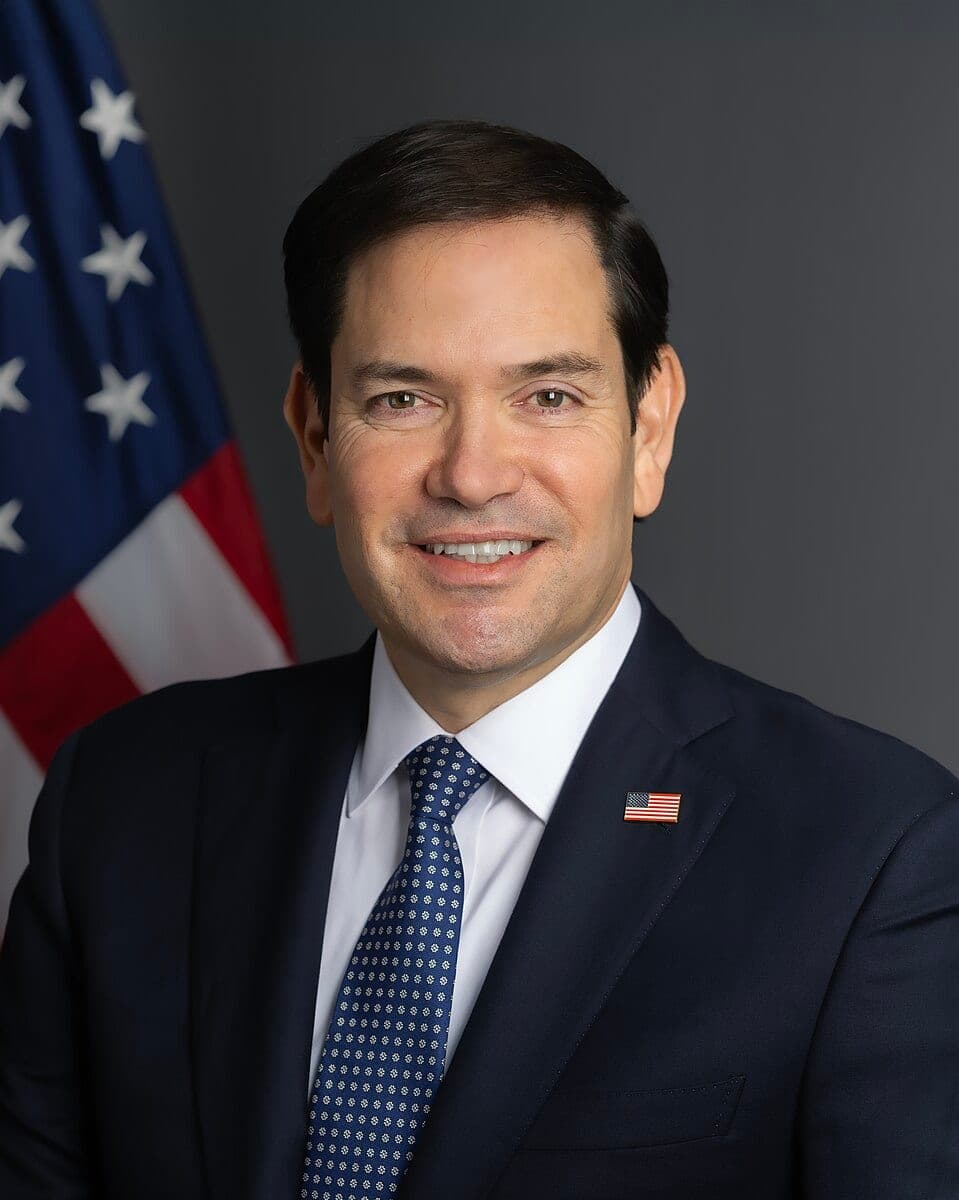
Secretary of State who reportedly agreed to cut off funding to the Taliban

Senator who signaled opposition to the defense bill's Ukraine assistance
Discussion · 0
Loading comments…