Only Four Democrats Vote To Stop Taxpayer Funding Of Child Sex Changes In Medicaid
Gluesenkamp Perez voted for the bill after voting against a similar measure the previous day.

SOURCE CHECK
TAP FOR WHYThe Daily Caller is a partisan outlet, which lowers confidence in its institutional neutrality, though this report provides named authorship, vote figures and statements from both supporters and opponents. The article itself does not show clear evidence of independent verification beyond the reported vote and attributed remarks.
- Source type — A partisan national news outlet; its political orientation warrants caution.
- Editorial standards — The story reports a vote and attributes opposing statements, but offers limited visible corroboration.
- Author attribution — The article identifies an author.
- Transparency — The article identifies the lawmakers and vote tally, but provides little detail about its reporting process.
The report supplies the vote tally, identifies the bill and quotes lawmakers on both sides. Its short length, reliance mainly on political statements and limited independent context about the bill’s effects or the medical evidence constrain its quality.
HOW WE SCORE ↗The article includes statements from both a bill supporter and an opponent, but the supporter receives a longer quotation and the framing favors the bill’s stated purpose. It provides little additional context or independent sourcing.
- Counterarguments presented — Pallone’s opposition is included, but the article does not develop the case beyond his attributed remarks.
- Loaded language — The headline and recurring wording use charged terminology for the medical procedures.
- Source diversity — The article relies principally on statements by lawmakers on opposing sides.
- Omitted context — It offers little independent context on the legislation’s effects or the medical evidence disputed by the lawmakers.
The headline and repeated use of the phrase “child sex changes” frame the bill in language aligned with its supporters. The report includes an opposing lawmaker’s argument, but gives more space and forceful language to the bill’s proponents.
- Headline — The headline foregrounds taxpayer funding and uses the charged phrase “child sex changes.”
- Language tone — The story repeats emotionally charged terms from supporters and the headline framing.
- Source selection — Both sides are represented, but supporters receive more extended quotations.
- Framing — The account centers the effort to halt funding and gives limited contextual discussion of the opposing position.
The House passed the Do No Harm In Medicaid Act, with four Democrats joining Republicans in support. The bill would stop federal Medicaid payments for specified gender-related procedures for minors, a policy supporters and opponents sharply disagree over.
The House passed the Do No Harm In Medicaid Act, sponsored by Reps. Dan Crenshaw and Marjorie Taylor Greene, by a 215-201 vote. Reps. Vicente Gonzalez, Henry Cuellar, Donald G. Davis and Marie Gluesenkamp Perez were the four Democrats who voted with Republicans. The bill would bar federal Medicaid payments to states for specified gender-related procedures for people under 18.
Crenshaw argued that the bill would stop federal funding for surgeries and puberty blockers, while Rep. Frank Pallone opposed it, calling it an attack on medically necessary care. The article also reports that the Department of Health and Human Services proposed new regulations on the issue Thursday, following an executive order signed by President Trump in January.
Community verdict
25 VOTES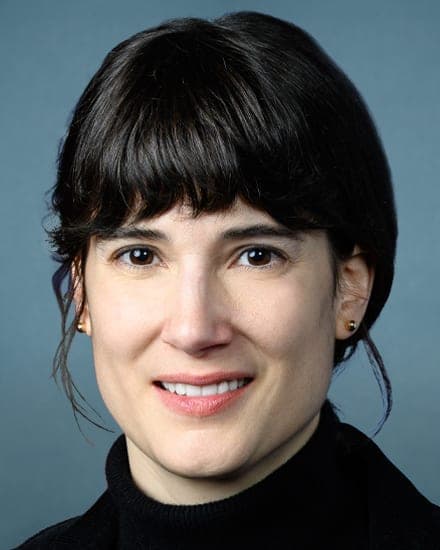
- Readers of left-leaning coverage: 57% good look
- Readers of right-leaning coverage: not enough votes yet
People in this story
SWIPE →
Democratic representative who voted for the bill
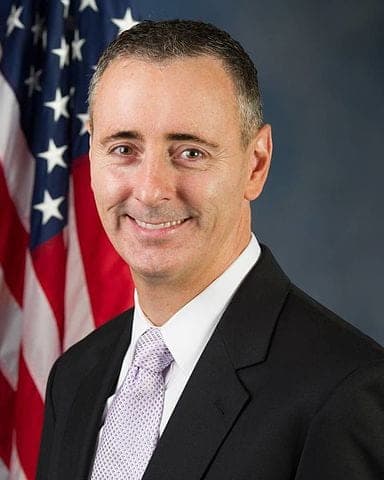
Pennsylvania representative who voted for the Medicaid bill after opposing the previous day’s measure

President whose executive order is described as background to the proposed regulations
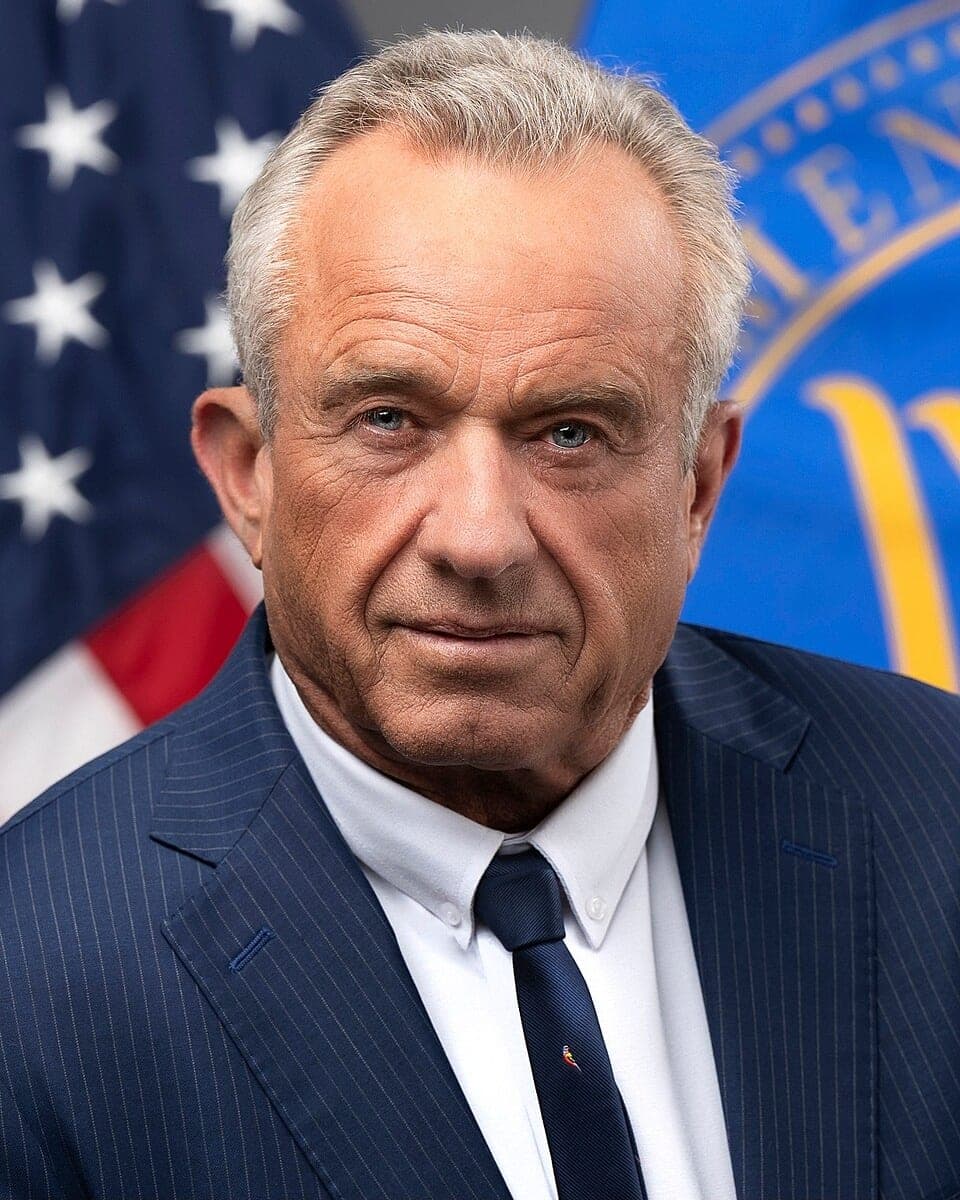
Health and Human Services secretary who commented on the proposed regulations

Texas representative who sponsored and argued for the bill
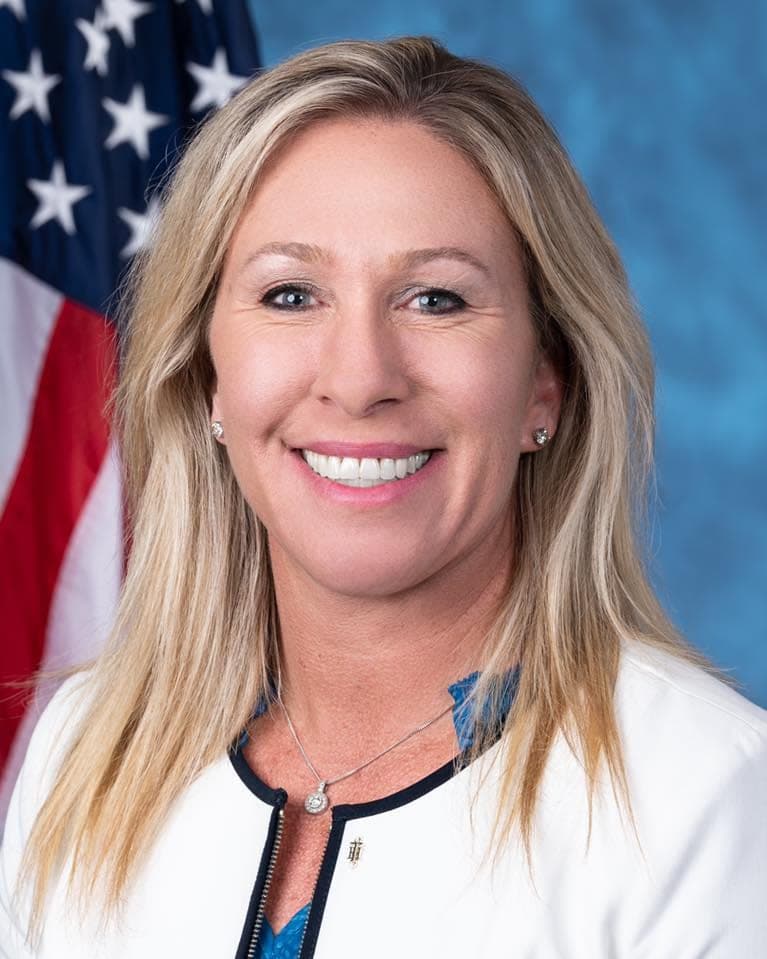
Georgia representative who co-sponsored the bill
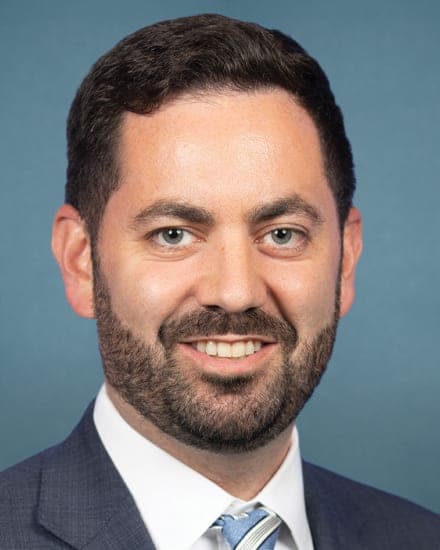
New York representative who voted for the Medicaid bill after opposing the previous day’s measure
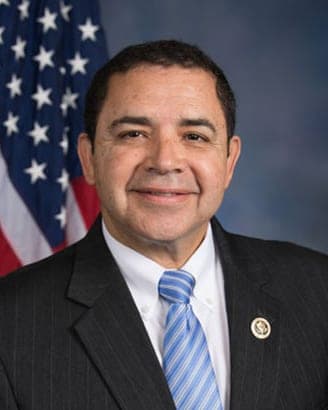
Democratic representative who voted for the bill
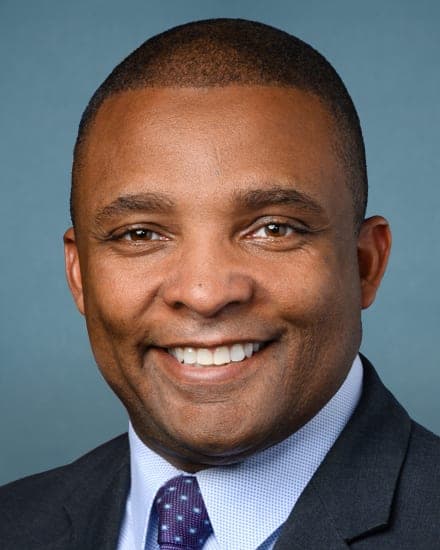
Democratic representative who voted for the bill
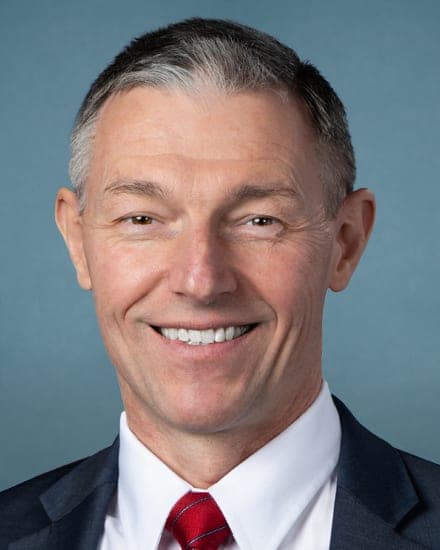
Utah representative who voted for the Medicaid bill after opposing the previous day’s measure
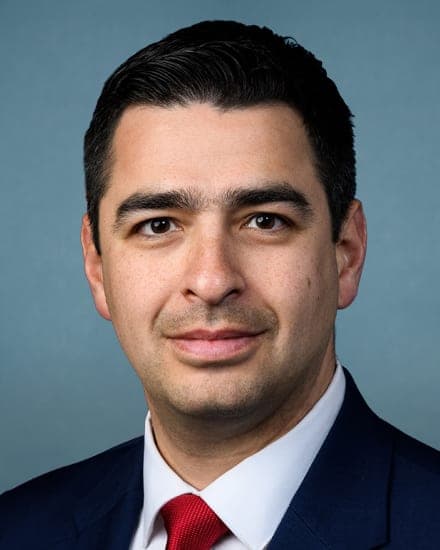
Colorado representative who voted for the Medicaid bill after opposing the previous day’s measure
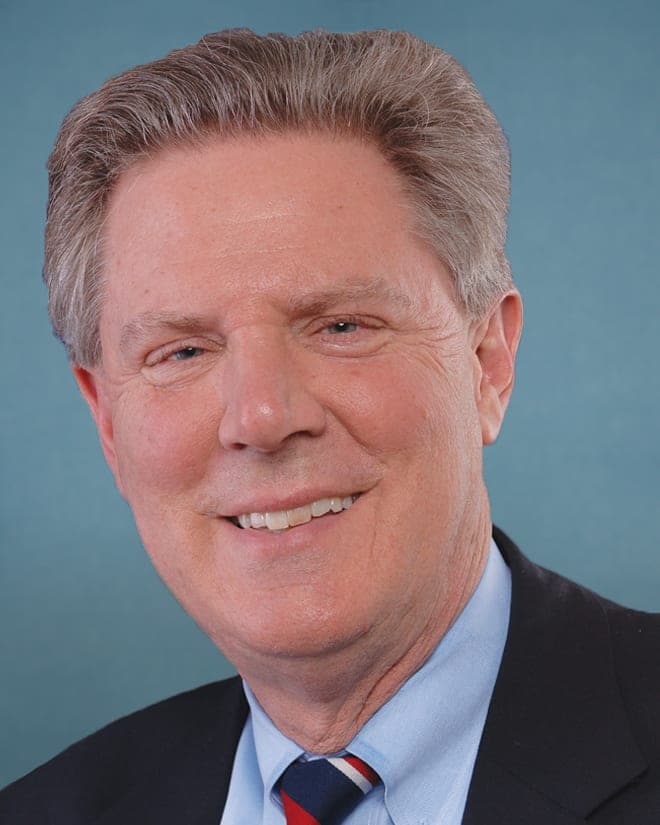
New Jersey representative who argued against the bill
Discussion · 0
Loading comments…