House Passes Legislation Aimed At Curbing Rising Electricity Costs Caused By Data Centers
Evans sponsored the bill and expressed hope that it would advance as lawmakers addressed data-center-related electricity costs.

SOURCE CHECK
TAP FOR WHYThe Daily Caller is an established, openly partisan outlet that publishes attributed reporting, but its institutional credibility is below that of major wire services and newspapers of record. The article attributes several figures and claims to outside outlets and Congress.gov, though the available text does not establish its corrections practices.
- Source type — An established partisan news outlet; the source type is recorded as unknown.
- Source diversity — It attributes figures and claims to Reuters, CNBC, Politico and Congress.gov.
- Author attribution — The article names an author.
- Editorial standards — The text alone offers limited evidence about editorial standards or corrections practices.
The article gives a vote tally, describes the bill, attributes statistics and claims to named outlets, and includes statements from supporters and a prominent skeptic. It provides limited detail about the bill’s mechanics or the arguments of lawmakers who voted against it, and some cited data is presented with little context.
HOW WE SCORE ↗The story reports the bill’s stated purpose and includes both supportive comments and Scalise’s defense of data centers. It does not explain the reasons for the three opposing votes or provide much detail about counterarguments to the bill.
- Counterarguments presented — Scalise’s remarks provide a counterpoint, but the opposing House votes are not explained.
- Source diversity — The article includes comments from lawmakers on both sides and cites multiple outlets.
- Omitted context — The text gives little account of the bill’s potential drawbacks or the reasons for opposition.
- Loaded language — The language is generally restrained and the main claims are attributed.
The article uses mostly straightforward language to report the bill’s passage and includes statements from lawmakers with differing views. Its presentation emphasizes the bill’s stated cost-protection purpose but does not clearly adopt a partisan position.
- Language tone — Mostly descriptive language reports the vote, bill provisions and attributed statements.
- Source selection — Includes statements from lawmakers presenting supportive and skeptical views.
- Framing — Frames the bill around rising electricity costs and data-center effects without an explicit partisan argument.
The House passed the Ratepayer Protection Act by a 417-3 vote. The bill would require states to consider standards making data centers cover grid-upgrade costs, as lawmakers face pressure over rising electricity bills.
The House passed the Ratepayer Protection Act by a 417-3 vote, with Reps. Rashida Tlaib, Delia Ramirez and Summer Lee casting the opposing votes. The bill would require states to consider implementing a federal standard for data centers to pay for grid upgrades and related rising electricity costs. The article cites reported increases in electricity prices and bills, including higher-than-average increases in some states.
Republican Rep. Gabe Evans of Colorado and Democratic Rep. Kathy Castor of Florida were the bill’s lead sponsors. Evans said he was encouraged by the bill’s momentum. House Majority Leader Steve Scalise highlighted benefits he attributed to data centers, while House Minority Leader Hakeem Jeffries called the bill an appropriate step forward. Republican Sen. Jon Husted sponsored a Senate version that had not passed.
Community verdict
7 VOTES
People in this story
SWIPE →
Voted against the bill
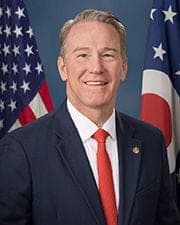
Senate sponsor of the legislation

Voted against the bill
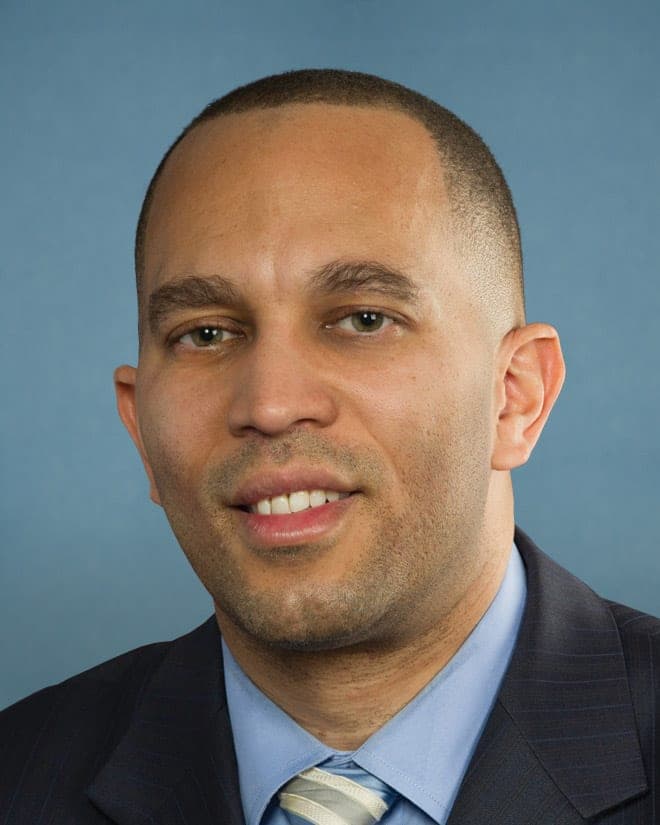
House Minority Leader who expressed support for the bill

House Majority Leader who highlighted benefits of data centers
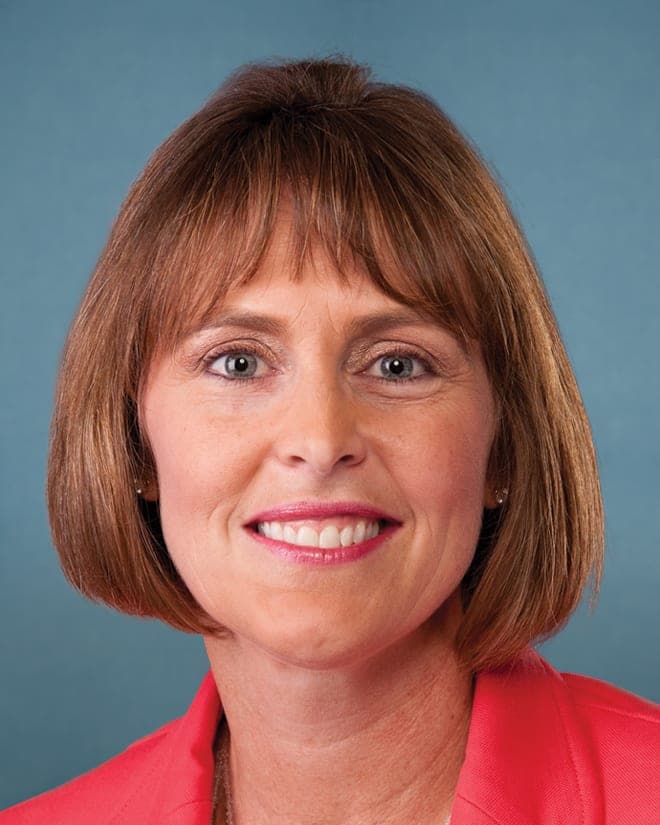
Lead sponsor of the bill
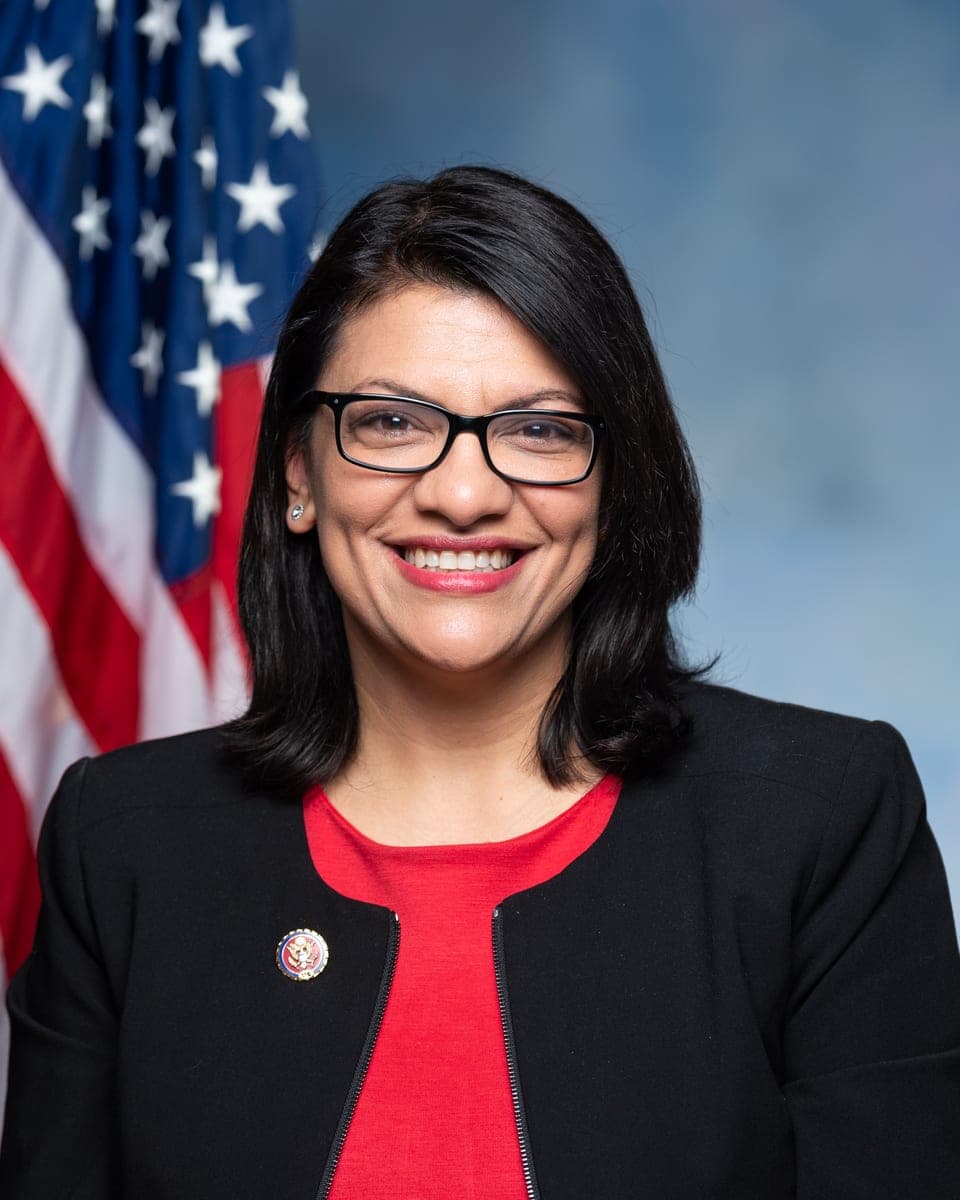
Voted against the bill
Part of a bigger story
12 OUTLETSThe House passed Gabe Evans’s Ratepayer Protection Act, 417-3. Evans sponsored the measure, which aims to keep data-center power and grid costs from shifting to households by having states consider rules requiring large facilities to pay those costs. Center outlets largely describe the bill as a way to shift data-center infrastructure costs away from consumers, while explaining that states would not be required to adopt rules and that Senate action remains ahead. Right-leaning outlets share the affordability focus, with Washington Examiner also highlighting Evans’s argument that a ban could weaken U.S. competition with China.
- ARTICLES
- 15
- OUTLETS
- 12
- AVG CRED
- 78
Discussion · 0
Loading comments…